UNICEF calls upon Vietnam to address child undernutrition
It’s the time to accelerate ongoing efforts by including examinations and treatments of severe wasting children in the revision of law.
UNICEF is calling for countries, including Vietnam to strengthen nutrition policies and include treatment for child wasting under health and long-term development funding schemes, to save the lives of roughly 230,000 children in the country per year.
UNICEF’s global evidence shows the rising levels of malnutrition in children and all forms of this disease are prevalent in Vietnam, where around 230,000 under-5 children suffer from severe acute malnutrition (SAM) annually.
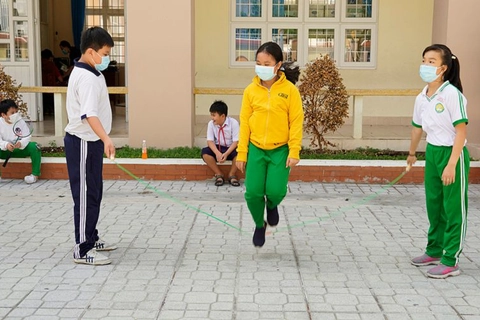
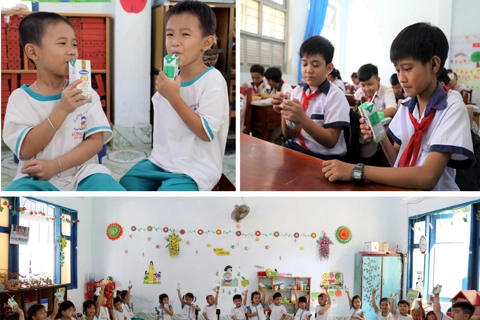
| The worrying prevalence of undernutrition among Vietnamese children calls for a new approach to bring about transformational nutrition outcomes. Photo: UNICEF |
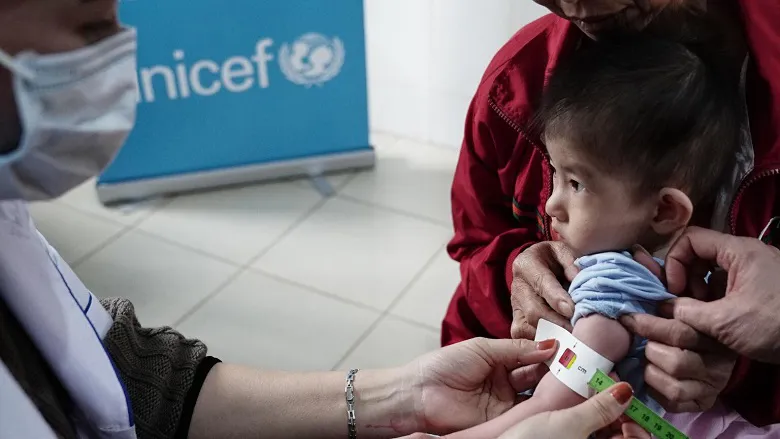
Malnutrition is listed as a disease in the World Health Organization’s (WHO) International Classification of Diseases, and it is preventable and treatable. Wasting, defined as low weight-for-height, is the most visible and lethal type of malnutrition. Severe wasting, when children are too thin for their height resulting in weakened immune systems, is the most immediate, visible, and life-threatening form of malnutrition. Worldwide, at least 13.6 million children under five suffer from severe wasting, resulting in 1 in 5 deaths among this age group.
Given the close links between SAM, stunting, and mortality, interventions aimed at the prevention and treatment of SAM will help to further reduce both child mortality and stunting. Vietnam has prioritized nutrition policies through resolutions and subsequent directives emphasizing stunting reduction and enhancement of nutrition care. Prevention and treatment of children with SAM are one of the key objectives of the National Nutrition Strategy 2021–2030 and National Targeted Programs.
“Now’s the time to accelerate ongoing efforts by taking action to include examinations and treatment of SAM children in the revision of the Law on Medical Examination and Treatment,” said UNICEF Representative, Rana Flowers.
She argued Vietnam has established a good enabling environment for SAM prevention and treatment, with clear political commitments. However, there are neither policies nor funding sources identified in central or local budgets for Integrated Management of Acute Malnutrition (IMAM) interventions, with 90% of SAM cases being untreated.
The nationwide expansion of this intervention requires a funding mechanism for the management and treatment of children with SAM. To reach every child with life-saving treatment, UNICEF is calling for countries to include treatment for child wasting under health insurance and long-term development funding schemes so that all children can benefit from treatment programs.
Given that SAM can only be treated effectively by using specialized therapeutic nutrition products that need to be prescribed under medical guidance, the treatment of SAM requires a specific legal framework to enable access in Vietnam. Amendment of the various laws related to health that are being reviewed currently and soon, including the revision of the Law on Medical Examination and Treatment, offers a unique opportunity to address the poor access to treatment.
Rana Flowers said by incorporating and specifying the use of therapeutic nutrition products for treatment for children with SAM into the amendment of laws that are being reviewed now, Vietnam will pave the way to save the lives of children who face the risk of dying from a disease that can be easily prevented and treated.
According to health experts, nutrition interventions are most effective during the first 1,000 days of life from the first day of pregnancy until the child’s second birthday. Undernutrition during this period could lead to extensive and largely irreversible damage to physical and cognitive development.
Vietnam has the resources and capacity to prevent these unnecessary deaths by ensuring that children with SAM have the health care and treatment they need to survive, thrive and develop to their full potential, UNICEF Representative remarked.