Log in
Hanoi

Upgrading bridges to cost Hanoi $118 million

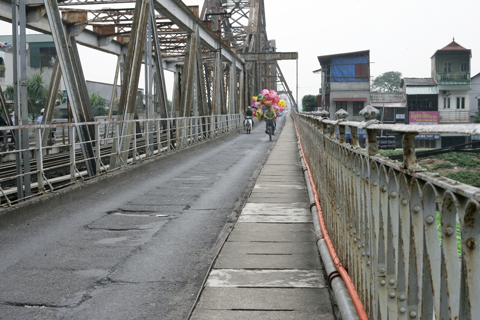
The bridges mostly have narrow passages for bicycles and motorcycles.

There are 172 bridges in Hanoi that urgently need to be repaired, upgraded or rebuilt, requring a cost of more than VND3 trillion (US$118 million).

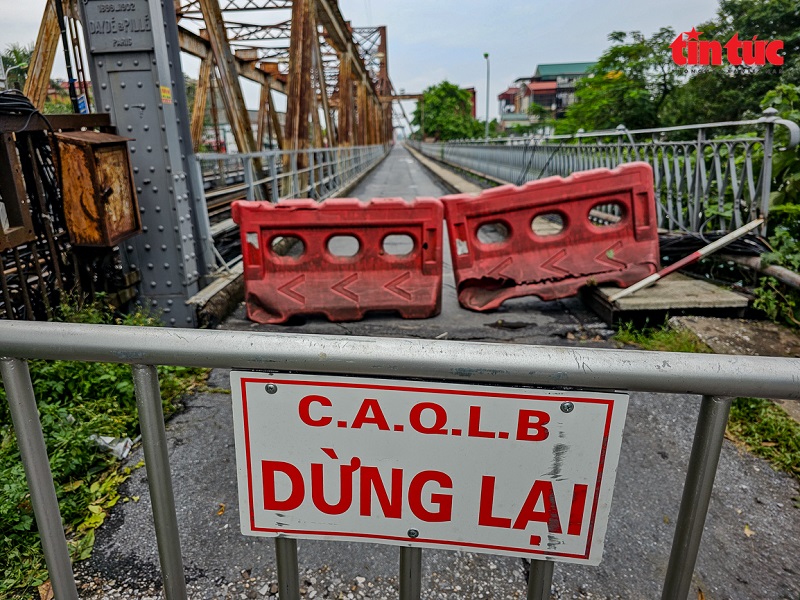
 Deteriorated Long Bien Bridge closed to traffic in September 2024. Photo: Baotintuc.vn

Of the total, nearly VND360 billion ($14 million) will be used to build and repair 58 bridges under the responsibility of the Department of Transport. Meanwhile, districts and towns will allocate about VND2.7 trillion ($106 million) to build and repair 114 bridges under their jurisdiction.

Of the 58 bridges managed by the city, 25 will be repaired and upgraded between 2025 and 2028.

Other bridges to be strengthened are Lu Bridge (Hoang Mai), Ngu Xa Bridge (Ba Dinh), Dong Yen Bridge (Quoc Oai), Xuan Dinh Bridge (Bac Tu Liem), Suoi Hai II Bridge (Ba Vi), Den Bridge (Soc Son), Vinh Quynh Bridge (Thanh Tri), Thanh Quang Bridge (Hoai Duc), and Do Xa Bridge (Thuong Tin).

District authorities are tasked with conducting thorough assessments and improving management records for vulnerable bridges under their authority.

These bridges have one traffic lane for bicycles and motorcycles and are in poor condition. 

Notable examples include Thuy Tru Bridge (Phu Xuyen), Dinh Bridge (Ung Hoa), Trung Hoa Bridge (My Duc), Gau Bridge (Son Tay), Ha Lam 1 Bridge (Dong Anh), and Luong Phuc Bridge (Soc Son), all of which will be repaired or replaced to ensure traffic safety.

The Department for Transport has proposed that the city government should bear 100% of the cost of building new bridges.
Reactions:
Share:
Trending
Most Viewed
Related news
Hanoi gears up for a vibrant 2026 Countdown

Hanoi gears up for a vibrant 2026 Countdown

With the energy of thousands gathering in Hanoi downtown, the Countdown 2026 promises to be an unforgettable way for people to welcome the New Year.

Hanoi launches AI-powered traffic control center for traffic violations

Hanoi launches AI-powered traffic control center for traffic violations

The system automatically detects common violations, significantly reducing the need for traffic police to be deployed directly on the streets while improving accuracy and transparency in traffic management.

Hanoi plans 10,000-hectare urban megacity with world-class stadium

Hanoi plans 10,000-hectare urban megacity with world-class stadium

The stadium’s design draws inspiration from Dong Son bronze drums and the Lac bird motif, symbolizing Vietnam’s aspiration to rise.

Hanoi greenlights Olympic sports city and Red River boulevard to drive next growth phase

Hanoi greenlights Olympic sports city and Red River boulevard to drive next growth phase

The approval of two landmark projects underscores Hanoi’s push to unlock new growth engines, reshape its urban structure and accelerate its ambition to become a green, smart and globally connected capital.

Hanoi targets 1,200 supporting industry firms by 2030

Hanoi targets 1,200 supporting industry firms by 2030

The city aims to enhance the competitiveness of the capital’s industrial sector by tightening cooperation with Vietnamese enterprises and multinational corporations operating in Vietnam.

Red River Boulevards shape Hanoi’s new growth axis

Red River Boulevards shape Hanoi’s new growth axis

The creation of a landscape boulevard can help Hanoi reconnect with its historic identity shaped by water and restore the river-based character that defined the city for centuries.

Hanoi moves to strengthen urban order and civility

Hanoi moves to strengthen urban order and civility

These include expanding public communication efforts, reorganizing and upgrading streets and sidewalks, maintaining a clean and orderly urban environment and carrying out strict inspections to address violations.

Hanoi honors 87 entities and buildings for using green energy

Hanoi honors 87 entities and buildings for using green energy

Enterprises adopted highly automated technologies in line with Industry 4.0 standards and all businesses in industrial parks, clusters, rural industries and craft villages will keep applying energy-efficient measures.