Vietnam expected to become world’s 2nd largest rice exporter in 2025
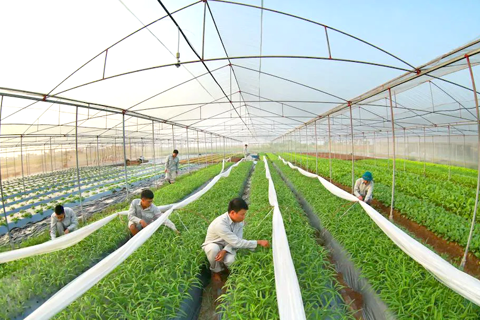
Vietnam is developing one million hectares of high-quality, low-carbon rice in the Mekong Delta, aiming to access premium export markets.
THE HANOI TIMES — Vietnam’s rice exports may reach at least eight million tons in 2025, positioning the country as the world’s second largest exporter for the first time, according to Do Ha Nam, Chairman of the Vietnam Food Association (VFA).
Since late 2024, global supply has been steadily rising, causing rice prices, both globally and in Vietnam, to fall. “While prices are falling and many exporters are losing markets, Vietnamese rice remains favored in countries and regions like the Philippines, Africa, and China,” Nam said.
Shipments to African countries surpassed one million tons as of late June. Importers from the region continue to place orders, whereas in previous years, purchases had typically stopped by this time, he noted.
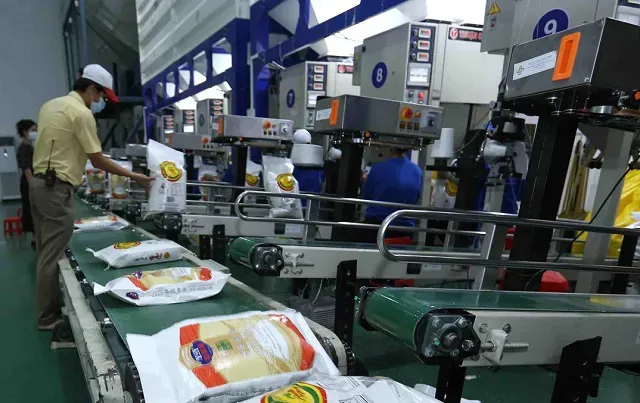
Rice packaging for export at Trung An High-Tech Agriculture JSC in Vietnam's Mekong Delta. Photo: VNA
From January to June, India led global rice exports with 11.7 million metric tons, up 36.5% year-on-year. Vietnam followed with 4.72 million metric tons, a 3.5% increase, while Thailand fell to third with 3.73 million metric tons.
To ensure the sustainable development of the rice sector, the VFA chairman proposed boosting exports to demanding and stable markets such as Japan, South Korea, and the European Union, noting that government-level engagement would be necessary to penetrate these markets.
According to the US Department of Agriculture, Vietnam was estimated to produce 29.65 million metric tons of rice in the 2024-2025 crops, accounting for 5% of the world’s total output.
Global rice prices are subject to fluctuations driven by various factors, including weather patterns, export policies of major producing countries, and overall global supply and demand. A recent report from Reuters indicate that prices are currently at their highest level in years due to a combination of these elements.
The Philippines' suspension of rice imports starting next September will likely cause a temporary increase in Vietnamese rice inventory and potentially pressure export prices, as this is Vietnam's largest market. This could lead to a buildup of Vietnamese rice stocks, impacting exporters and potentially leading to price fluctuations, according to the VFA.
Vietnamese rice prices were generally lower than Indian and Thai rice, but in the last months of the year, they were comparable to Indian prices and higher than Thai prices. India's release does not directly impact Vietnam's rice prices because the two countries serve different market segments, the VFA noted.
The Vietnam News Agency quoted some experts as saying that Vietnam's rice exports might face challenges in maintaining current levels as buyers may opt for cheaper options from India or Thailand.
Vietnam's rice sector may need to focus on strategies such as diversifying export markets, enhancing the quality of rice, and strengthening its supply chain to mitigate the potential negative impacts, said the experts.