Legal reforms have led to the creation of 75,000 tech firms and rising global innovation and digital economy rankings, further driving digital transformation.
THE HANOI TIMES — Vietnam is now home to more than 75,000 tech firms, and approximately 4,000 innovative startups, according to the Ministry of Science and Technology.
The national innovation ecosystem has grown to include 208 investment funds, 84 incubators, and 40 business accelerators.
At its mid-2025 review conference held on July 14 in Hanoi, the Ministry highlighted that, following the merger of two ministerial-level agencies, its streamlined and modernized structure now regulates four core pillars, including science, technology, innovation, and digital transformation.
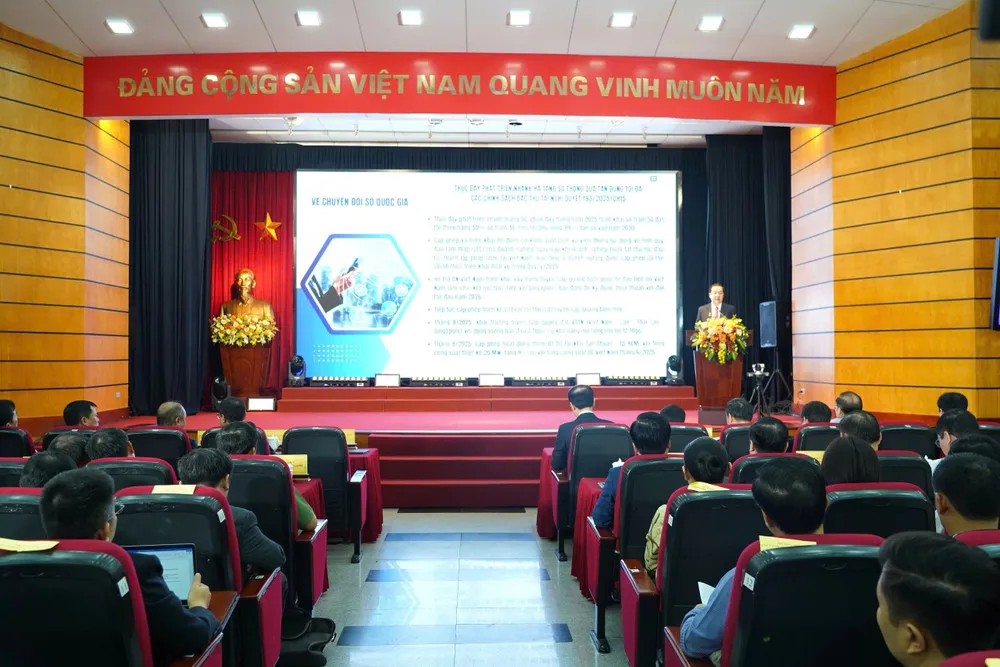
Mid-2025 Review Conference on Science, Technology, Innovation, and Digital Transformation Activities. Photo: Ministry of Science and Technology
During the first half of 2025, the ministry submitted five bills to the National Assembly and is finalizing the drafting of four more laws.
Reports at the conference showed notable achievements, including Vietnam's ranking 44th out of 133 countries in the Global Innovation Index (GII), the digital economy accounting for 18.72% of GDP, the country having the fastest internet speeds in the region, and the national data-sharing platform processing 630 million transactions.
These results reflect Vietnam’s strong commitment to regulatory reform, digital enterprise development, and comprehensive digital transformation.
Hanoi’s new digital multimodal transport pass allows commuters to use buses and metro with a single card, saving time, reducing costs, and supporting the city’s smart mobility goals.
Through a seminar in Hanoi, half a century of friendship and cooperation between the two countries has been reviewed, while opening further avenues to promote bilateral ties in the next phase.
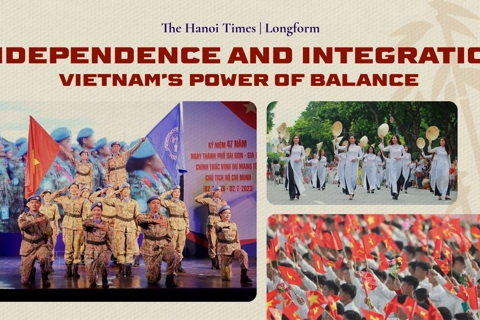
Vietnam’s shift from participant to proactive contributor in shaping global norms reflects its rising confidence, deeper engagement in rule-making and commitment to stability and shared development.
In Vietnam’s traffic context, proper helmet use for children is a critical measure to reduce fatalities and serious injuries, drawing on lessons from Sweden’s comprehensive approach that combines safe infrastructure, strict enforcement and community education.
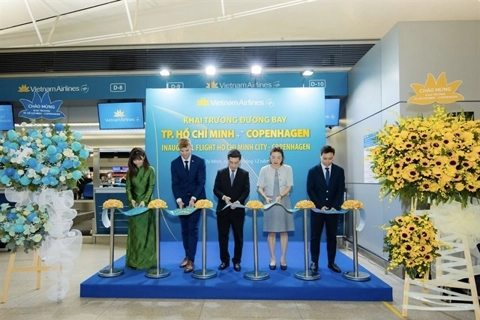
The new route marks an important step in the national flag carrier’s European expansion strategy for 2025-2030, meeting increasing demand for travel, trade and family visits between Vietnam and the Nordic region.
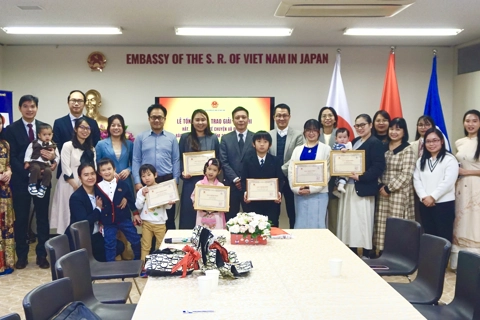
A children’s cultural contest held in Tokyo has helped nurture pride, creativity and a deep connection to President Ho Chi Minh among Vietnamese families living across Japan.
Apart from economics, Vietnam has strengthened ASEAN unity and centrality by contributing across all three pillars, from political-security to economic and socio-cultural cooperation, including maritime security, climate action, digital transformation and people-centered development.
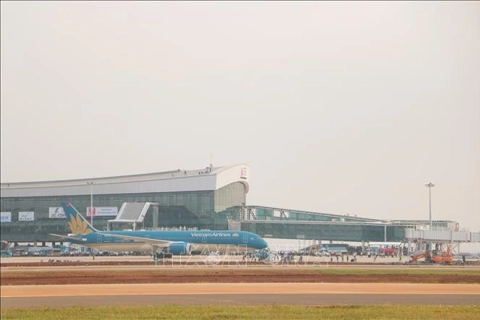
Long Thanh International Airport in Vietnam's southern province of Dong Nai, with an investment of more than US$16 billion, is expected to welcome 25 million passengers each year once operational.