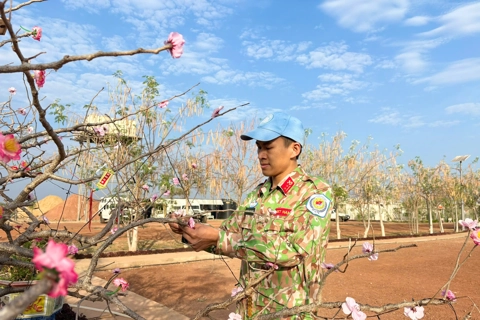
Vietnam leaves distinct mark on UN cooperation in 2025
For the first time, Vietnam has defined foreign affairs and international integration as a “core and permanent task,” placing them on equal footing with national defense and security.
THE HANOI TIMES — Vietnam made a substantive imprint on United Nations cooperation in 2025, acting as an active, responsible and trusted member amid a world marked by volatility, division and unprecedented challenges.
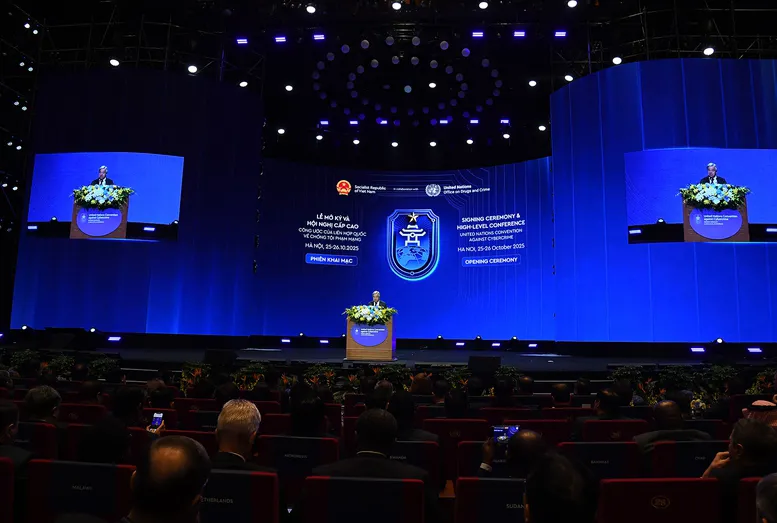
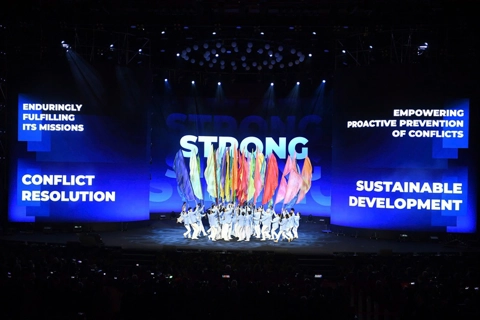
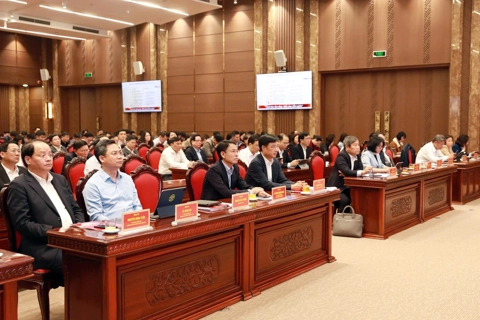
The Signing Ceremony of the UN Convention against Cybercrime (the Hanoi Convention) is one of the highlights of Vietnam's engagement in the United Nations in 2025. Photo: Hai Minh/VGP
Through sustained engagement and practical contributions, Vietnam helped advance peace, security and sustainable development at the world’s largest multilateral body, while steadily reinforcing its credibility and standing within the international community.
Ambassador Do Hung Viet, Permanent Representative of Vietnam to the United Nations (UN), shared assessments of the global context, Vietnam’s key achievements at the UN in 2025 and priorities for multilateral diplomacy ahead.
An active and responsible member
According to Ambassador Do Hung Viet, 2025 has been a turbulent year for the international order, including strategic competition among major powers, rising unilateralism and power politics have seriously eroded core principles of international law.
In addition, prolonged and escalating conflicts in Ukraine, Gaza, Sudan and Myanmar continued alongside an intensifying arms race, including nuclear weapons.
At the same time, non-traditional security challenges such as climate change, natural disasters, humanitarian crises and food insecurity worsened, with disproportionate impacts on developing countries.
These pressures stretched the UN, diverting attention and resources from collective priorities, particularly in sustainable development, climate action, disaster response and peacekeeping.
Divisions within the UN also became more visible. In 2025, as many as 75% of General Assembly resolutions were adopted by vote rather than consensus. Some passed with support from only about one-third of member states, raising concerns over broad ownership and implementation.
However, the year also saw notable bright spots.
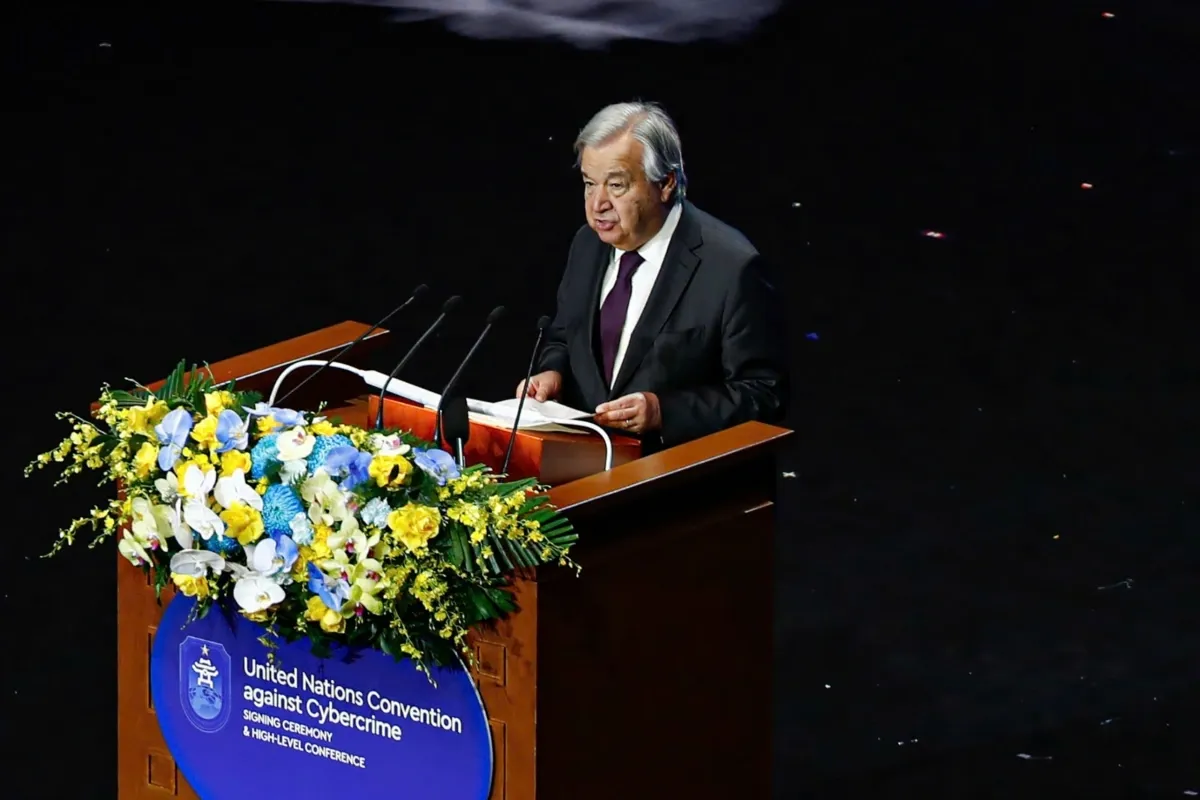
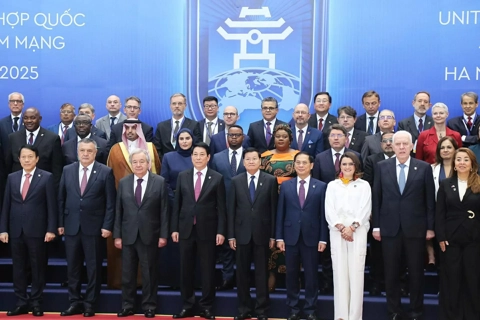
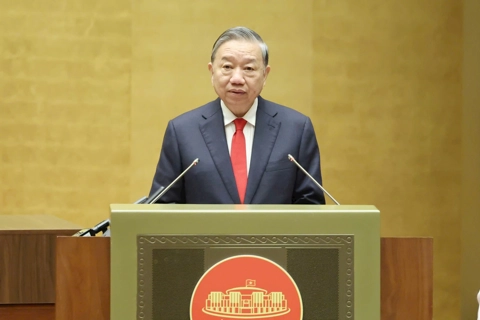
United Nations Secretary General Antonio Guterres speaks at the Signing Ceremony of the Hanoi Convention on October 25, 2025. Photo: VOV
The UN continued to advance global legal frameworks to address shared challenges, with key milestones including the signing of the Convention on Cybercrime by 72 countries at its opening ceremony in Hanoi, the expected entry into force of the BBNJ agreement on marine biodiversity beyond national jurisdiction in early 2026 and the adoption of a global pandemic response agreement at the World Health Assembly.
Given such situations, Vietnam remained deeply and substantively engaged across key UN bodies.
In 2025, the country participated in hundreds of meetings at various levels, contributing with a proactive, constructive spirit and a strong sense of shared responsibility.
Ambassador Do Hung Viet highlighted five major milestones that defined Vietnam’s UN engagement during the year.
The first one was the direct involvement of Vietnam’s top leadership in major UN events, conveying strong messages on peace, multilateral cooperation and sustainable development. President Luong Cuong attended the General Debate of the 80th UN General Assembly, while Prime Minister Pham Minh Chinh joined the third UN Ocean Conference.
Vietnam successfully hosted the opening ceremony of the Convention on Cybercrime, marking the first time a global treaty bears the name of a Vietnamese city. The “Hanoi Convention” left a distinctive imprint on multilateral cooperation in 2025.
It was in October 2025 that the second visit was paid by UN Secretary General Antonio Guterres within a single term. He described Vietnam as an excellent UN partner, a pillar of today’s multipolar world and a country deserving a stronger voice and role in global governance.
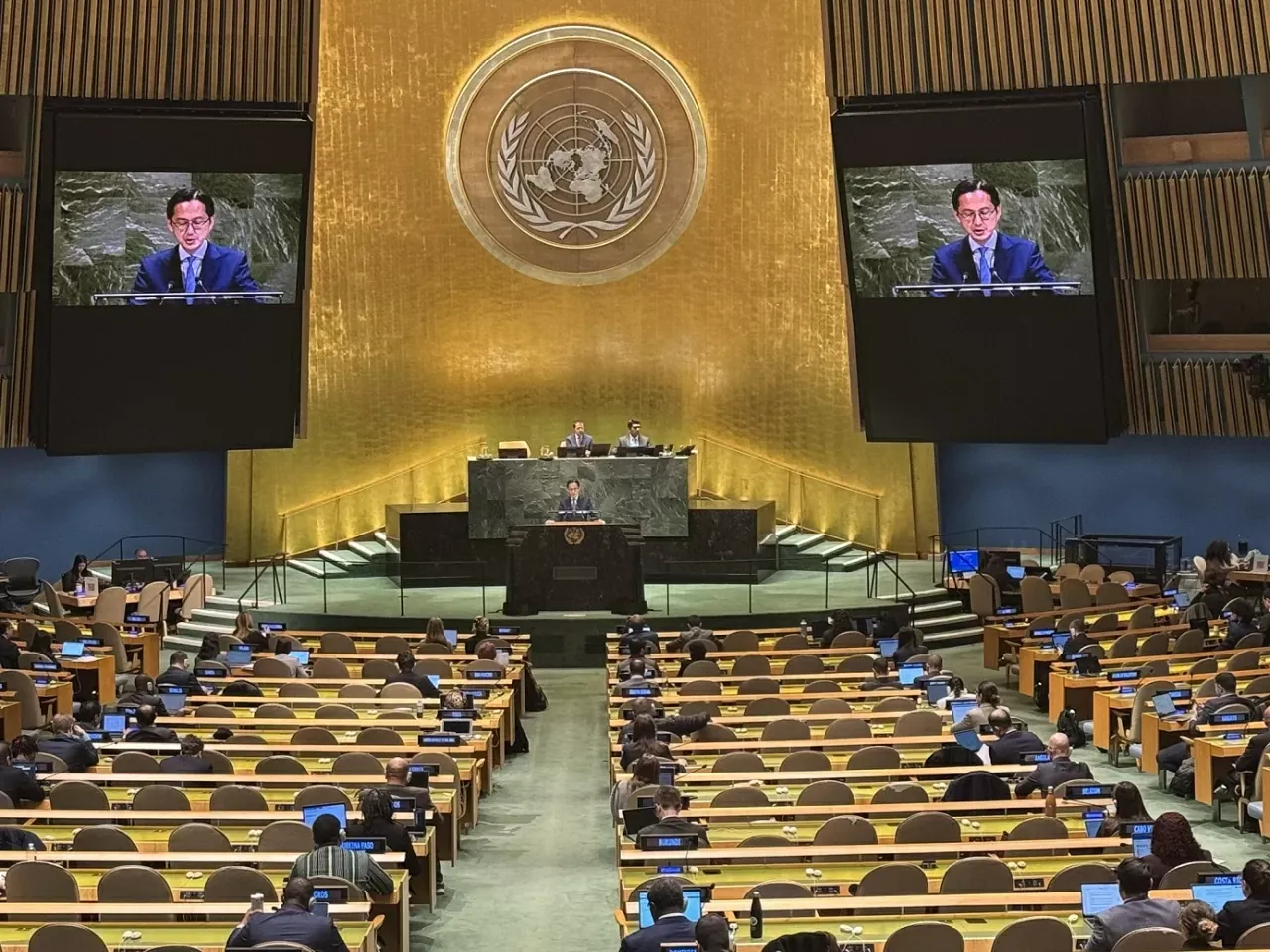
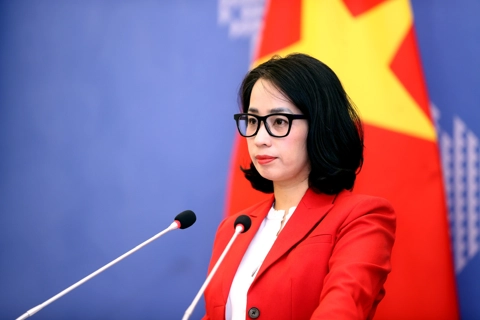
Ambassador Do Hung Viet, Permanent Representative of Vietnam to the United Nations, at a UN session in December 2025.
Additionally, Vietnam was re-elected to the UN Human Rights Council with the highest vote count among Asia Pacific candidates, reflecting international confidence in its contributions and efforts to promote and protect human rights.
Vietnam also performed effectively as Chair of the 35th Meeting of States Parties to the UN Convention on the Law of the Sea (UNCLOS) and as a member of the UN Women Executive Board, along with participation in other key UN mechanisms.
During the year, Vietnam began preparations for its role as designated President of the 2026 Review Conference of the Treaty on the Non-Proliferation of Nuclear Weapons. Through extensive consultations, it has already demonstrated leadership and coordination capacity in a process critical to international peace and security.
“These outcomes continue to shape the “Vietnam story” at the United Nations as a proactive, responsible and substantive contributor to shared global efforts,” stated Ambassador Do Hung Viet.
Foreign affairs and international integration as a core and permanent task
Ambassador Do Hung Viet noted that draft documents of the 14th National Party Congress mark the first time foreign affairs and international integration are defined as a “core and permanent task” on par with national defense and security.
This reflects an important evolution in strategic thinking, affirming a tripod of defense, security and diplomacy as inseparable pillars in safeguarding national interests.
The shift also places high expectations on diplomacy, not only to protect the country early and from afar but also to mobilize resources, knowledge and partnerships for development and to enhance Vietnam’s international standing.
At the UN, Vietnam will continue to pursue this comprehensive approach by contributing to a peaceful and stable environment for development and engaging more deeply in shaping multilateral rules and institutions.
This includes stronger participation in setting new norms in critical future areas such as science and technology, cyber security and global governance of artificial intelligence.
Vietnam will also leverage the UN as a hub of global knowledge and experience, channeling international intellectual resources into its own development process.
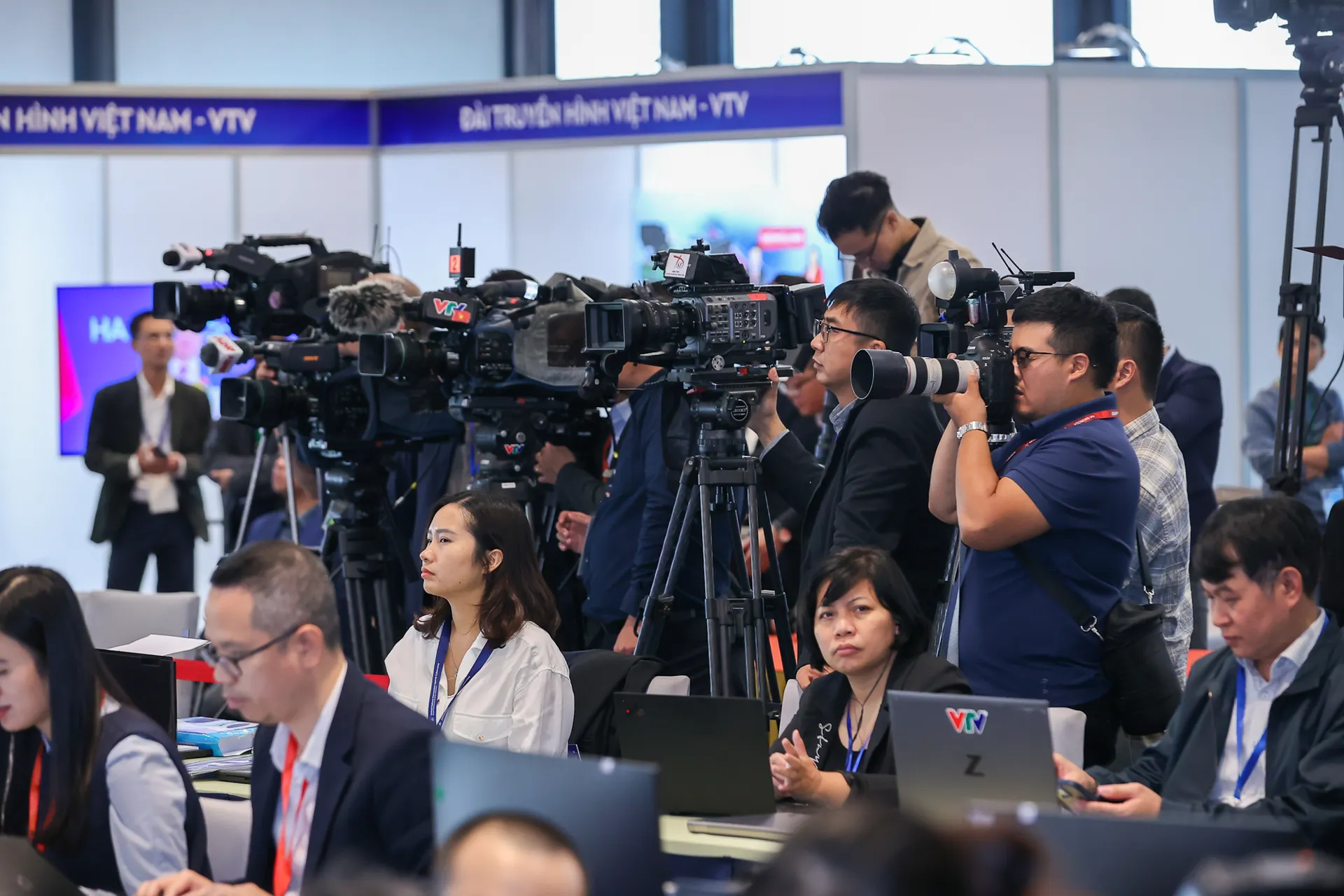
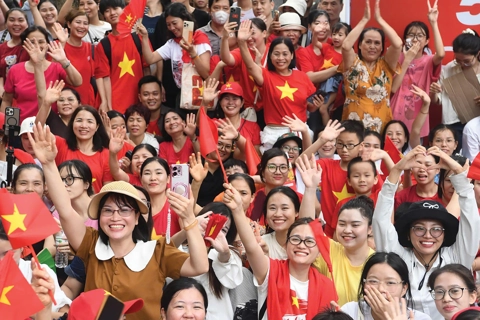
The international events held by Vietnam always draw public attention. Photo: Nhat Bac/VGP
For 2026, the first year of implementing the 14th Party Congress Resolution and a pivotal year toward the 50th anniversary of Vietnam’s UN membership, the country has identified several priorities.
These include high-level participation in major UN events, assuming the presidency of the NPT Review Conference and maintaining active roles at the Human Rights Council, UN Women and other multilateral forums.
Through these efforts, Vietnam continues to affirm its image as an active and responsible member, making substantive contributions to the work of the United Nations and to the shared goals of the international community, the ambassador stressed.