Vietnam reaffirmed its support for continued dialogue and restraint by Cambodia and Thailand, emphasizing the importance of peaceful engagement, mutual trust and respect for international law in easing tensions and maintaining stability along their shared border.
THE HANOI TIMES — Vietnam welcomes the signing of a joint statement by Cambodia and Thailand at the third special meeting of the General Boundary Commission (GBC), in which the two sides agreed to a ceasefire and measures to ease tensions along their border.
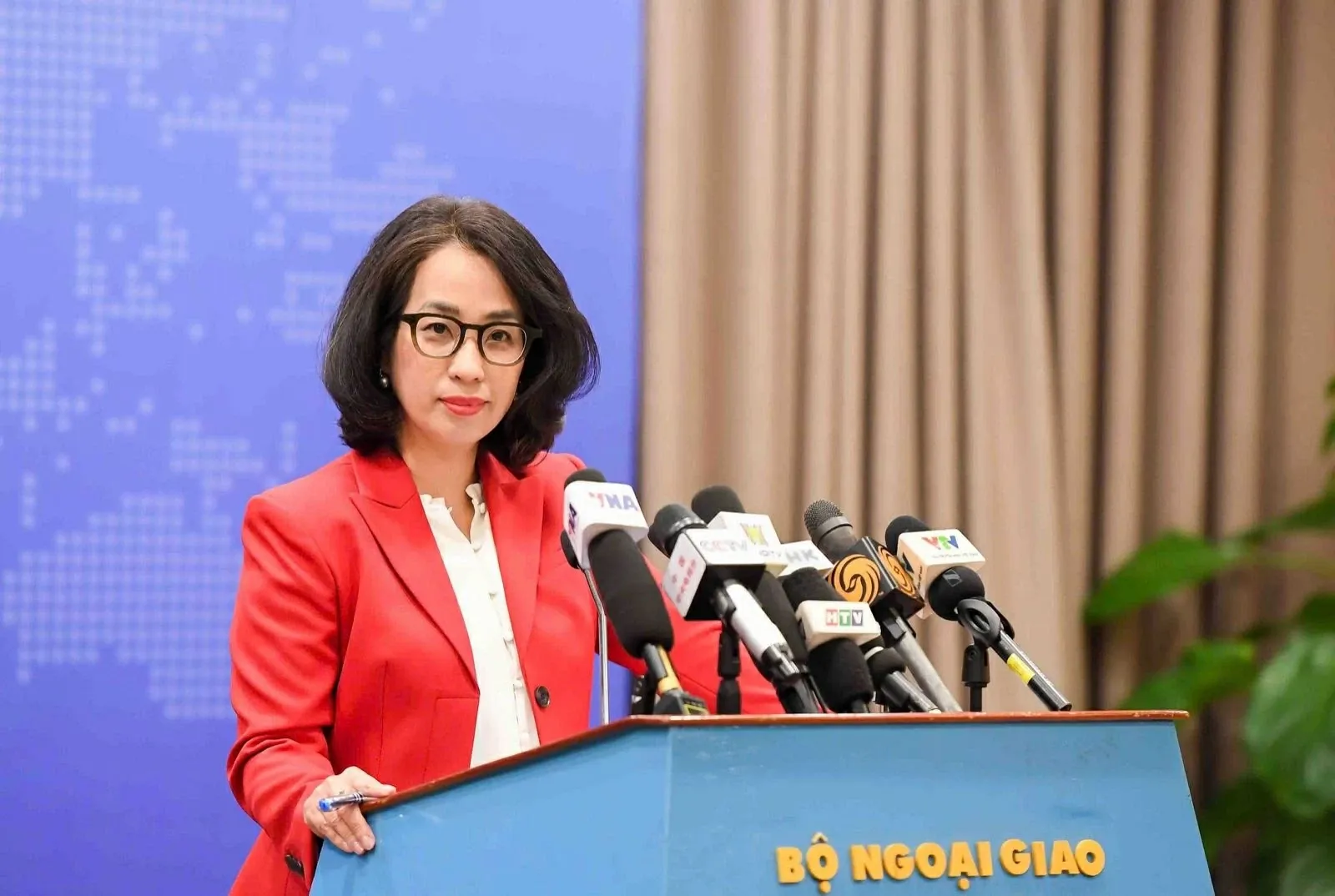
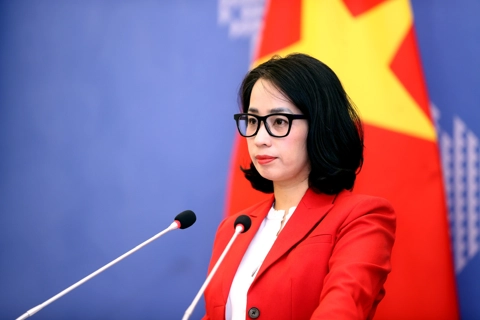
Spokeswoman of the Vietnamese Foreign Ministry Pham Thu Hang. Photo: Bao Chi
Spokeswoman of the Vietnamese Foreign Ministry Pham Thu Hang said on December 27, following the move made at the special meeting on the same day.
According to the spokesperson, Vietnam welcomes the joint statement signed at the third special GBC meeting on December 27, 2025, which includes an agreement on a ceasefire and steps to reduce tensions along the Cambodia-Thailand border.
“Vietnam expressed confidence that Cambodia and Thailand will effectively implement the agreements outlined in the joint statement and continue negotiations to resolve disputes peacefully, in line with fundamental principles of international law, the United Nations Charter, the ASEAN Charter and the Treaty of Amity and Cooperation in Southeast Asia (TAC),” Hang said.
She stressed that Vietnam hopes these efforts will be carried out in the spirit of ASEAN friendship and solidarity, for the long-term interests of both countries and the region, reaffirming Vietnam’s support for dialogue and restraint efforts by the two neighboring countries.
Vietnam will continue to closely monitor developments and stands ready to engage with both Cambodia and Thailand and to participate in ASEAN’s collective efforts to address differences between the two sides, including by enhancing the effectiveness of the ASEAN Observer Team (AOT).
Both prime ministers also align bilateral cooperation with regional priorities, particularly strengthening ASEAN unity and centrality as constructive and responsible partners.
The new gates are expected to add momentum for both sides to move toward the US$20 billion target set by senior leaders, accelerate the completion of the remaining 16% of border demarcation and open the way for future international crossings.
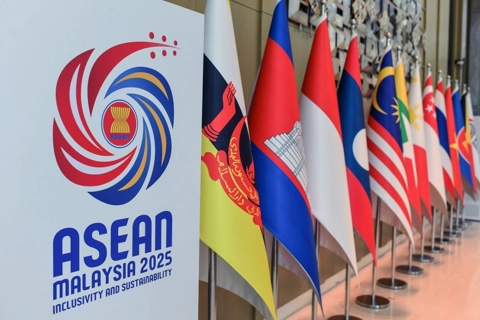
Vietnam is willing to support ASEAN efforts, particularly those of the 2025 Chair, Malaysia, in addressing regional challenges and reinforcing the bloc’s unity.
The phone talks highlighted the close political trust between Vietnam and Russia, with the two leaders reaffirming their commitment to strengthening bilateral cooperation and advancing the comprehensive strategic partnership in the new development period.
Dak Lak presents a rare Tet journey that unfolds from vast Central Highlands forests to calm blue seas, weaving nature, culture and local life into a single experience, including highland chill, the echo of gongs, coastal light and gentle waves.
As Vietnam moves into a new development phase, policy debates are increasingly centered on a people-first approach, where citizens are seen not just as beneficiaries but as the foundation of sustainable growth.
Ahead of the Lunar New Year, Hanoi’s gift basket market is becoming more dynamic, with shoppers increasingly favoring practical, well-priced sets that combine tradition, convenience and sustainability.
Early 2026 offers a moment to reflect on Polish-Vietnamese relations and chart their next stage, as the partnership advances toward updated priorities and deeper practical cooperation amid evolving global conditions.
As Vietnam enters a new development period following the 14th National Congress of the Communist Party of Vietnam, the country is setting out long-term orientations for growth and national advancement.
Vietnam U23 overcame injuries, suspensions and fatigue to defeat South Korea U23 in a penalty shootout, securing third place at the 2026 AFC U23 Asian Cup and drawing praise across the region.
Vietnam’s 14th National Party Congress sets foreign policy priorities focused on self-reliance, development-driven diplomacy, science and technology and deeper global integration.