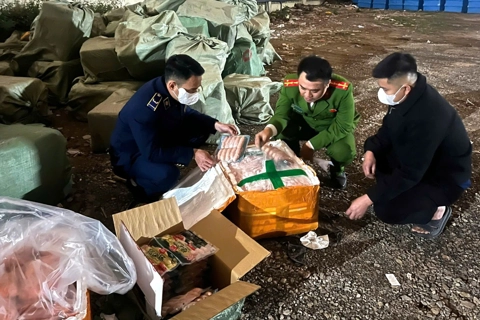
Vietnam reports no Nipah cases, intensifies virus prevention at border gates
Response plans at points of entry, training for healthcare staff and public communications are enhanced in Vietnam to step up surveillance after a Nipah virus cluster was reported in India.
THE HANOI TIMES — The Ministry of Health (MoH) on January 28 issued a dispatch calling for intensifying surveillance and prevention of the Nipah virus at border gates nationwide, tightening health screening in a manner reminiscent of the Covid-19 period.
The document has been sent to health departments of all 34 provinces and cities, following media reports of five suspected Nipah cases in India, of which only two have been officially confirmed as of January 27.
The local authorities have been requested to enhance disease prevention and control measures at border gates and in the community, stay updated with global disease information, closely monitor inbound travelers to ensure early detection and prompt handling of suspected cases.
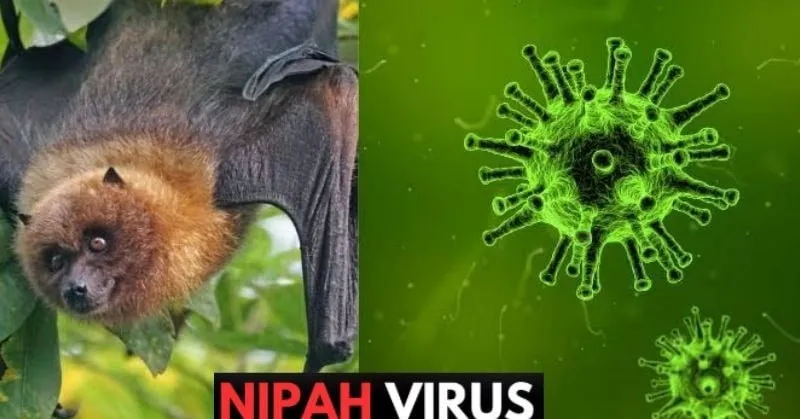
Nipah virus infection is designated a Group A infectious disease, with fatality rates of 40% - 75%. Photo: MoH
Health workers are asked to strictly follow personal protection and infection control practices. Institutes of hygiene, epidemiology and Pasteur institutes are tasked with supporting local surveillance and maintaining readiness of rapid response teams.
Healthcare establishments are also directed to strengthen inspection, monitor infection prevention and control measures, apply rigorous isolation protocols for all suspected or confirmed Nipah virus cases receiving treatment.
According to the MoH's Department of Disease Prevention, Nipah is classified as a Group A infectious disease, the most dangerous category under Vietnam's health regulations, with a fatality rate ranging from 40% to 75%.
The virus is mainly transmitted from animals, particularly bats, to humans and can also spread through contaminated food or close contact with infected individuals.
Symptoms may appear after an incubation period of four to 14 days and can include fever, headache, muscle pain and neurological complications.
To reduce the risk of infection, the MoH advised people to follow food safety practices such as eating fully cooked food, drinking boiled water, and washing and peeling fruit before consumption.
It has warned people not to eat fruit bitten or gnawed by bats or birds.
The ministry also cautioned against close contact with animals that carry a high risk of transmitting the virus and recommended frequent handwashing with soap or disinfectant after handling or slaughtering animals.
People were advised to avoid travel to areas affected by Nipah outbreaks. Those returning from outbreak zones should seek medical attention immediately if they develop symptoms within 14 days, including headache, muscle pain, vomiting, sore throat, dizziness, drowsiness, confusion or seizures.
Suspected patients should limit contact with others and clearly report their travel and exposure history to healthcare workers.
Caregivers are advised to use personal protective equipment and avoid direct contact with potentially contaminated items.
According to the World Health Organization (WHO), the Nipah virus was first identified in Malaysia in 1999 and was later recorded in humans in Bangladesh and India.
Health authorities say the disease has appeared sporadically in small clusters and has not led to large-scale outbreaks. There is currently no vaccine or specific antiviral treatment available for Nipah virus infection in humans or animals.
As of January 28, Vietnam has not recorded any Nipah cases. The health ministry will keep closely monitoring the situation and coordinating with the WHO and other partners to ensure timely and effective prevention measures.