Vietnam’s hidden gems: Five villages honored World's Best
Across the hills, valleys and coastlines in the northern part of Vietnam lie hidden treasures, rural villages where time seems to slow down, and tradition lives on.
THE HANOI TIMES — Five Vietnamese villages have earned global acclaim, honored as "Best Tourist Villages in the World" by the United Nations Tourism Organization, thanks to their breathtaking natural landscapes and rich cultural heritage.
This prestigious recognition goes beyond scenic beauty, honoring villages that preserve their traditional lifestyles while developing tourism that protects culture, nature and community values.
Among the newest additions are Lo Lo Chai Village in the northernmost province of Tuyen Quang and Quynh Son Community-based Tourism Village in the northeastern province of Lang Son, both exemplifying how rural tourism can create meaningful, sustainable experiences.
The “Best Tourist Villages” initiative by UN Tourism promotes rural destinations that safeguard cultural diversity, natural landscapes and traditional livelihoods.
Thai Hai - a living museum of Tay culture
The daily life of Tay people in Thai Hai Ethnic Eco-tourism Village, Tan Cuong Commune, the northern province of Thai Nguyen. Photo: Doan Thao Nguyen/ The Hanoi Times
Nestled in Tan Cuong Commune in the northern province of Thai Nguyen, Thai Hai Ethnic Eco-tourism Village is a living community where the traditional lifestyle of the Tay people continues to thrive. In 2022, it became Vietnam’s first village to be recognized among the world’s “Best Tourist Villages.”
Spread across more than 70 hectares once overrun by wild grass, Thai Hai has been transformed by locals into a serene ecological haven. Over 30 restored ancient stilt houses, some centuries old, showcase the architectural heritage of the Tay, one of Vietnam’s 54 ethnic groups, amid a peaceful mountain landscape.
Each month, the village welcomes thousands of visitors from across Vietnam and over 40 countries, offering hands-on experiences such as weaving, tea picking, vegetable planting, rice wine and cake making and traditional Then singing with the Tinh lute.
What makes Thai Hai truly distinctive is its communal spirit. Around 200 residents across four generations live, work and share meals together, embodying a collective commitment to sustainable tourism and cultural preservation.
Tan Hoa - A resilient village in harmony with nature
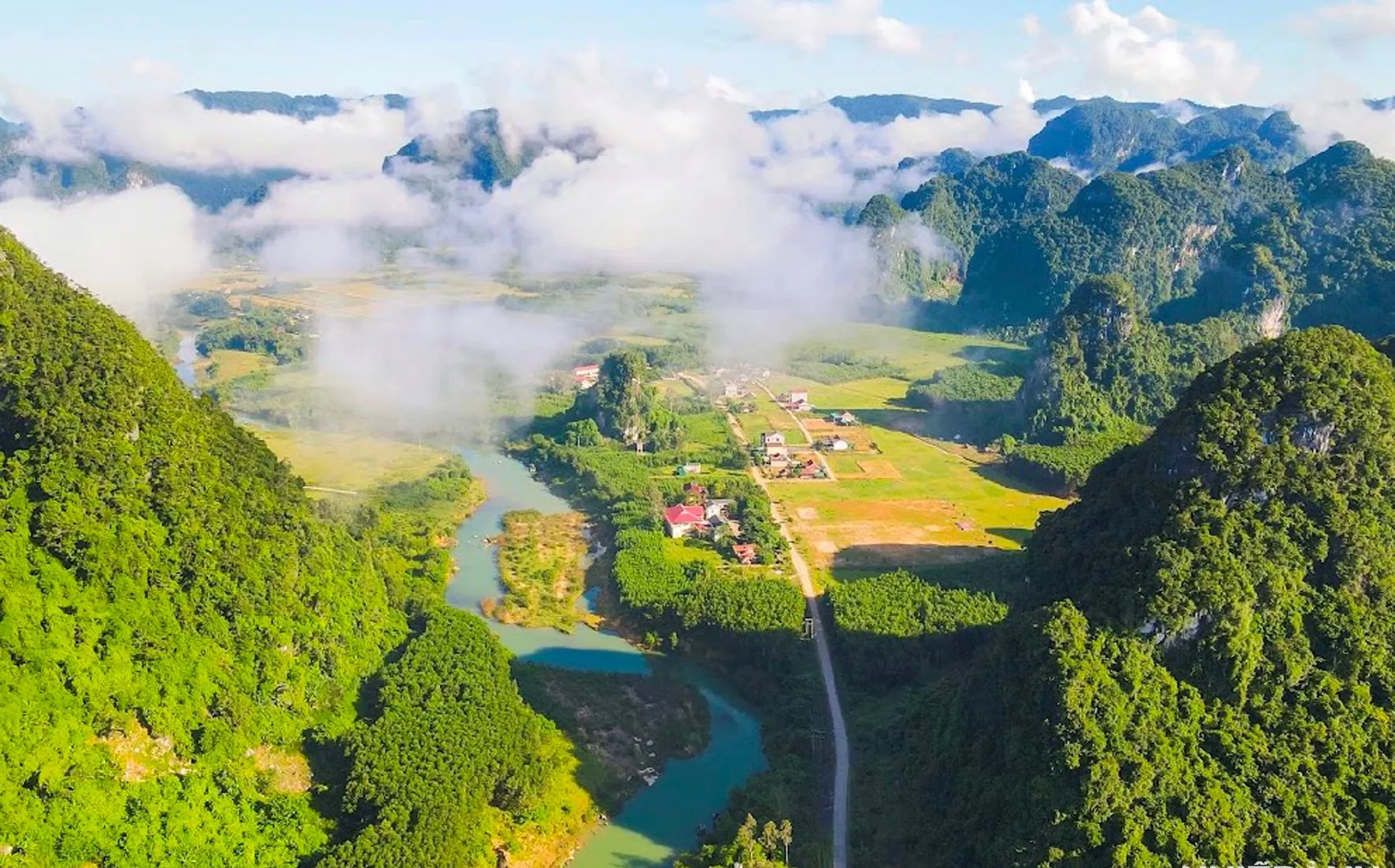
Beautiful poetic scenery of Tan Hoa Village, Minh Hoa Commune, the central province of Quang Binh, Photo: Photography & Life Magazine
Tucked in Minh Hoa Commune in the central province of Quang Binh, Tan Hoa Village is surrounded by limestone mountains, untouched valleys and wide grasslands.
Used to be one of the poorest areas, with an 85% poverty rate in 2010, it has become a model of community-based tourism, earning the title “Best Tourist Village in the World 2023” by UN Tourism.
Visitors can explore the majestic Tu Lan Cave system, ride motorbikes through the Lim Forest, or share home-cooked meals with local families. The tranquil landscape offers relaxation, while the village’s close bond with nature and community leaves a lasting impression.
What truly distinguishes Tan Hoa is its resilience. Each year, from mid-September to early November, floods sweep through the village.
Locals have adapted by building flood-resistant floating homestays, eco-friendly shelters that rise with the water, ensuring safety for residents and visitors alike.
Turning challenge into opportunity, Tan Hoa now welcomes more than 10,000 tourists annually as a pioneering weather-adaptive destination.
Tra Que - The green heart of Hoi An Ancient Town
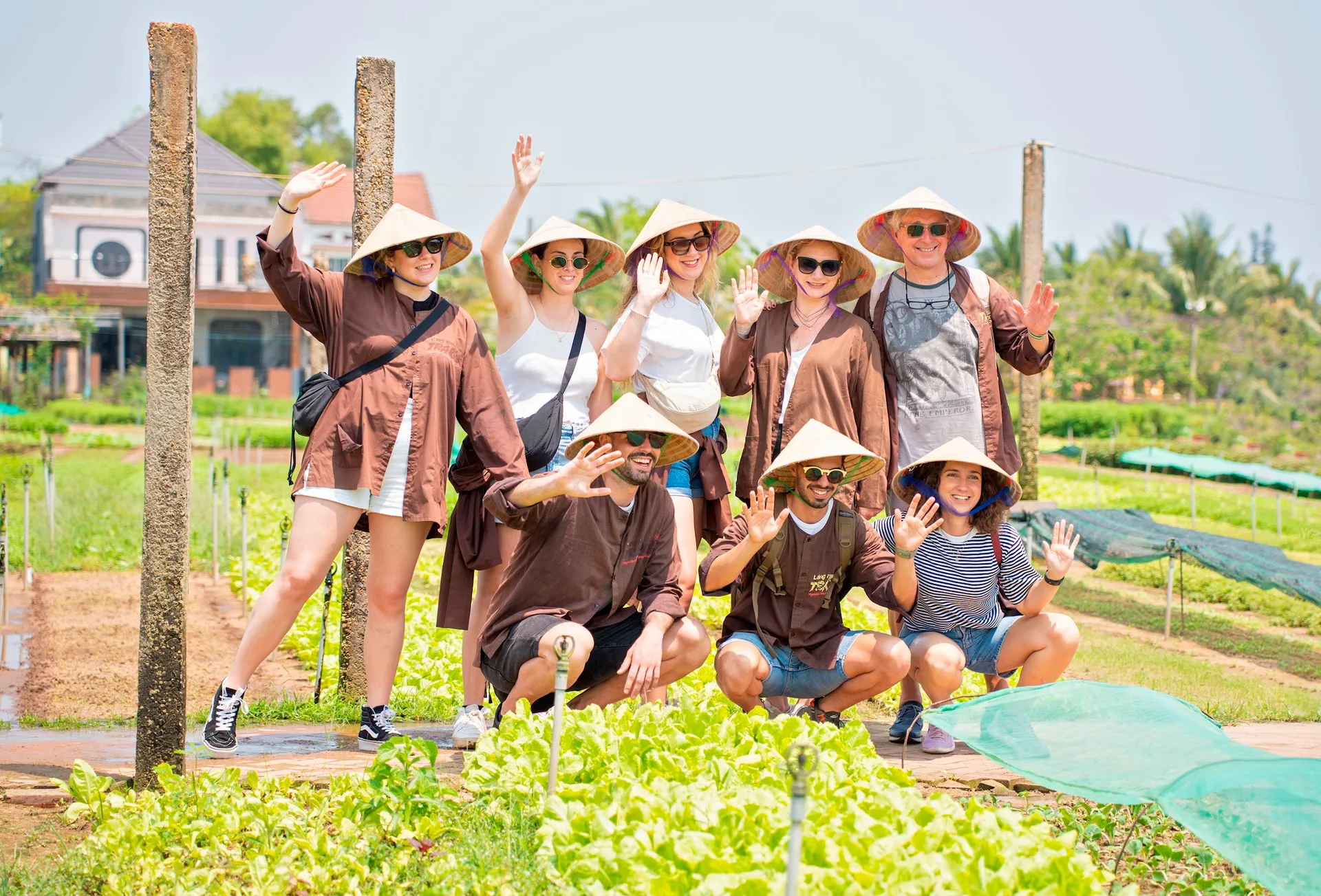
International visitors to Tra Que Vegetable Village, Hoi An Ancient Town, Danang City. Photo: quangnam.gov.vn
Just three kilometers from Hoi An Ancient Town and 20 kilometers from Danang in the central region of Vietnam, Tra Que Vegetable Village has flourished since the 16th century. Surrounded by the gentle Co Co River and the peaceful Tra Que Lagoon, this green island village was named one of the “Best Tourist Villages in the World" in 2024.
Blessed with sandy alluvial soil and a mild climate, Tra Que is renowned for its organic farming traditions. For generations, villagers have cultivated more than 20 types of herbs and vegetables using time-honored methods that honor the land and the seasons.
Today, over 200 households with 326 farmers tend 18 hectares of fertile fields. The village welcomes thousands of visitors daily, offering a glimpse into rural life for an entrance fee of VND35,000 (US$1.40).
Guests can explore on foot or by bicycle, wandering through fragrant rows of basil and mint and observing the seamless connection between people and nature. The best time to visit is early morning or late afternoon, when the sun is soft and the fields bustle with life.
Lo Lo Chai - A highland gem in northeastern mountainous area
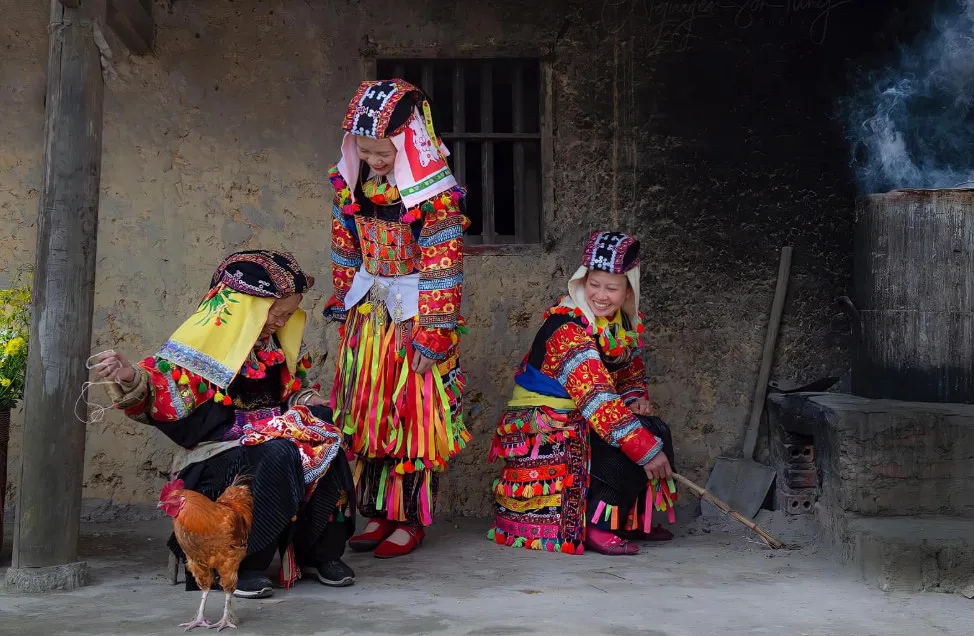
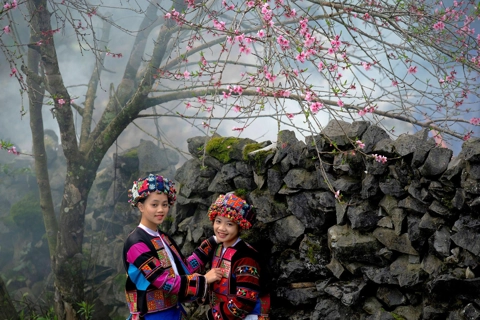
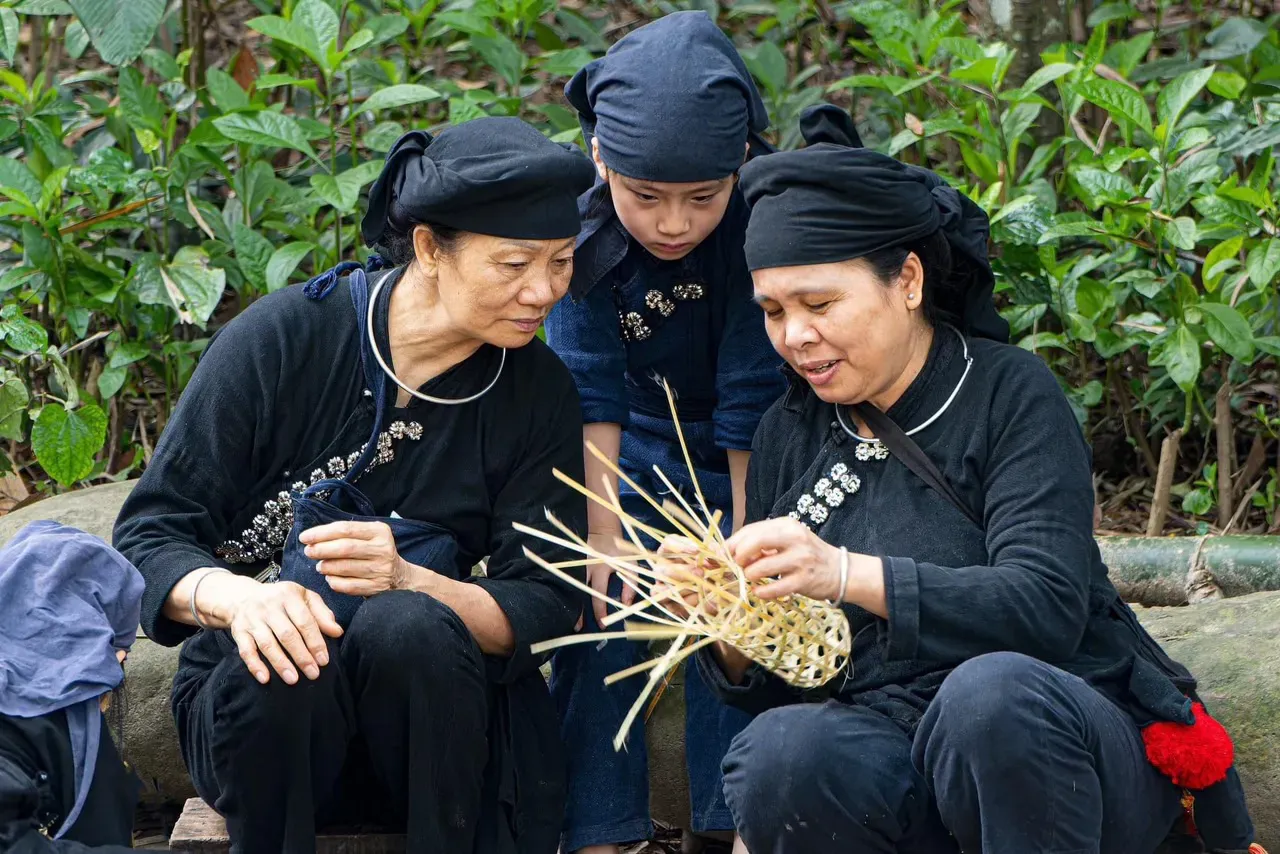
Women in Lo Lo Chai with their daily life. Photo: Tran Viet/Tainguyenmoitruong
Perched amid the stunning landscape of Dong Van in the northeastern province of Tuyen Quang, Lo Lo Chai Village embodies the harmony between the northern highlands’ beauty and the deep traditions of the Lo Lo ethnic group.
The village serves as a living museum of culture, with its earthen-walled houses, yin-yang tiled roofs, colorful brocade attire, and age-old festivals that enrich daily life.
In recent years, Lo Lo Chai has embraced community-based tourism, offering visitors authentic experiences in an unspoiled setting. Guests can share meals with locals, join in daily routines and explore the village’s spiritual and cultural depth beneath the iconic Lung Cu Flag Tower, the northernmost point of Vietnam.
New homestays blend seamlessly into the landscape, preserving the village’s authenticity and fostering sustainable tourism built on respect and heritage.
Quynh Son - Where Tay culture thrives in a geopark landscape
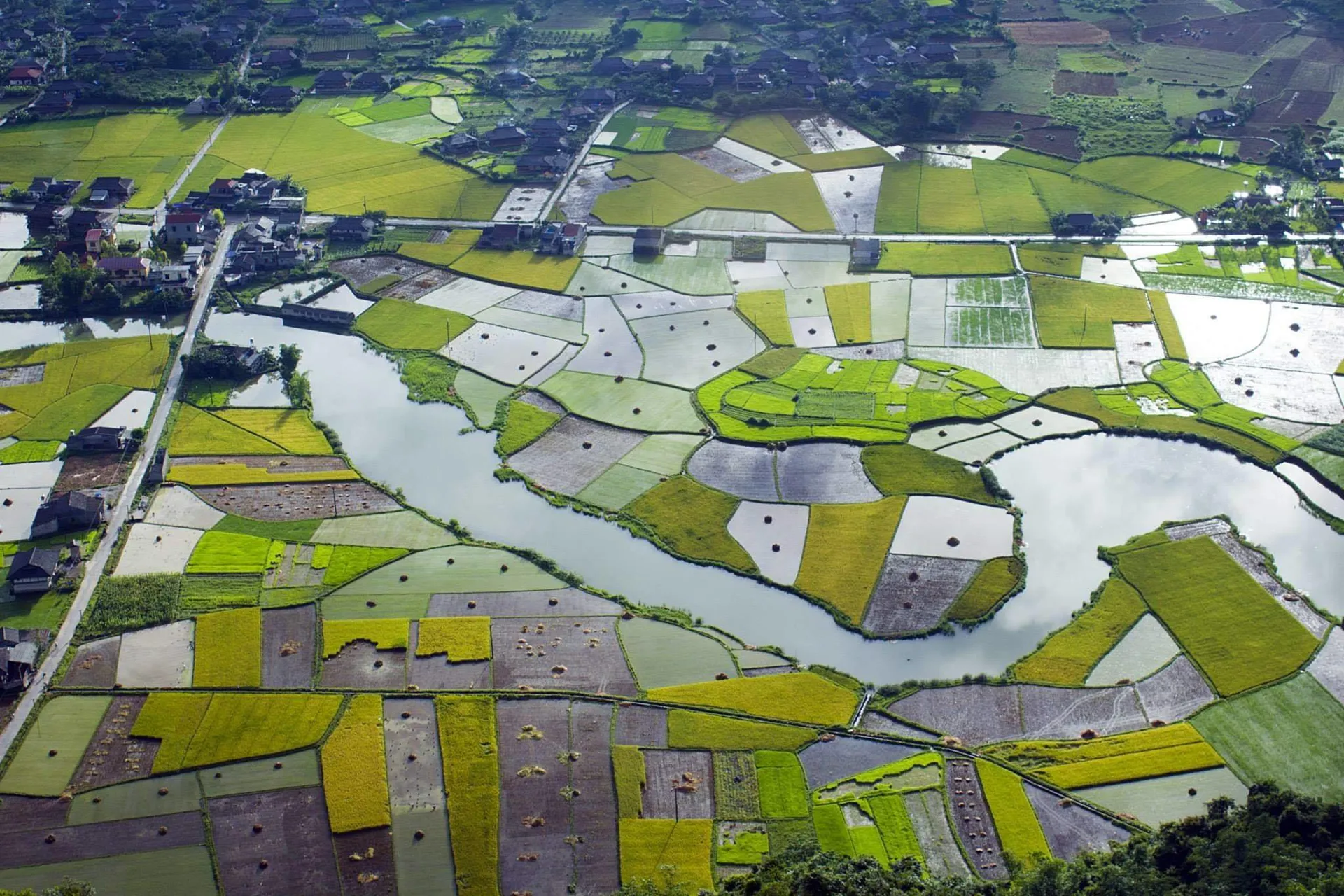
From above, the rice fields of Quynh Son Village unfold like a gorgeous green tapestry. Photo: Dinh Duong
In the heart of Bac Son Commune in the northeastern province of Lang Son, Quynh Son Community-based Tourism Village rests within the Bac Son Uprising National Historic Site and forms part of the UNESCO Lang Son Global Geopark.
The village offers immersive community-based tourism experiences, where visitors stay in traditional stilt houses, join local farming, weaving, cooking activities and enjoy the gentle pace of rural life.
The Tay people’s culture is reflected in every aspect, from architecture and language to daily rituals and cuisine.
Adventurous travelers can hike to Na Lay Peak for sweeping views or follow geopark trails to explore the region’s revolutionary history and cultural heritage.
The Best Tourism Village highlights communities that protect intangible heritage, from local crafts and farming to culinary traditions, while welcoming visitors with authenticity and warmth.
Women in Lo Lo Chai with their daily life. Photo: Tran Viet/Tainguyenmoitruong