Vietnamese travelers show strong interest in AI for trip planning
New research reveals that Vietnamese tourists are increasingly embracing artificial intelligence to enhance their travel experience.
THE HANOI TIMES — Booking.com's recently released Global AI Sentiment Report 2025 reveals a remarkable level of enthusiasm among Vietnamese travelers for the use of artificial intelligence (AI) in tourism.
The report is based on a comprehensive survey of more than 37,000 consumers across 33 markets, including Vietnam.
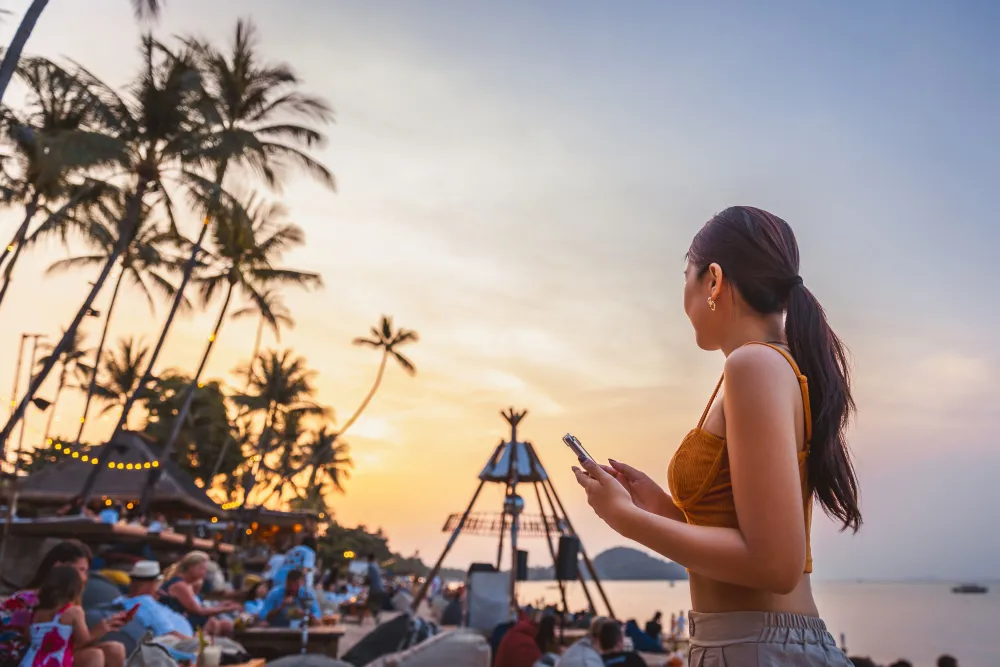
AI is quickly establishing itself as an integral part of the Vietnamese travel experience. Photo: Booking.com
As many as 99% of Vietnamese respondents indicated their desire to incorporate AI into future travel planning. A substantial 86% said they are already familiar with the technology, highlighting its increasing relevance in the travel industry.
The study categorizes consumers based on their openness to AI. In Vietnam, nearly half (47%) of respondents are "AI Enthusiasts," who are highly curious and engaged with AI's potential. Another 28% are considered "AI advocates," actively supporting AI adoption and recognizing its broader benefits.
This positive sentiment stems from the belief that AI can make life easier (according to 83% of respondents), save time and effort (61%), expand learning opportunities (55%), and enhance work productivity (53%).
This positive sentiment stems from the belief that AI can make life easier, save time and effort, expand learning opportunities, and enhance work productivity.
As AI becomes more integrated into travel services, 58% of Vietnamese travelers expect automated trip planning to become commonplace. The report indicates that AI tools are widely accepted and actively used at multiple stages of travel.
In practice, 88% of Vietnamese travelers have used AI at some point during a trip, and 99% have used it for planning, booking, or receiving in-trip support. When preparing for a trip, they often use AI to research destinations and optimal travel times (48%), discover local experiences and cultural activities (42%), and find restaurant recommendations (41%).

Many hotels in Vietnam are integrating AI to better cater to travelers' needs. Photo: Furama Resort Danang
While traveling, AI is frequently used for translation (56%), activity suggestions (51%), navigation and transportation guidance (51%), and continued dining recommendations (44%). Even after traveling, 46% of respondents reported using AI for tasks such as photo editing.
In addition to convenience, Vietnamese travelers are becoming increasingly conscious of sustainable tourism. Notably, 76% would like AI to recommend experiences that positively impact the communities they visit.
Despite the high levels of interest and adoption, concerns remain. A quarter of users (27%) believe AI lacks a personal touch, and many travelers verify the information it provides. Specifically, 41% always double-check AI-generated suggestions, 38% do so occasionally, and only 11% trust its output completely.
"Generative AI represents one of the most significant technological shifts of our era, fundamentally reshaping how consumers engage with the world around them," said James Waters, Chief Business Officer at Booking.com.
"As this technology matures, it’s not only transforming how companies like ours anticipate and meet evolving customer needs, but also raising the bar for what travelers expect from every interaction," he added.