Young Hanoians – torchbearers of preserving traditional craft villages
Hanoi’s time-honored crafts, have well-preserved thanks to the passion of the young generation to keep a legacy of skill, creativity, and cultural identity,
THE HANOI TIMES — Mindful of the risk of obscurity in many of Hanoi’s historic craft villages amid rapid technological progress, a growing number of young Hanoians are wholeheartedly dedicating themselves to preserving and revitalizing their ancestors' artisanal trades.
A passion for handicraft heritage
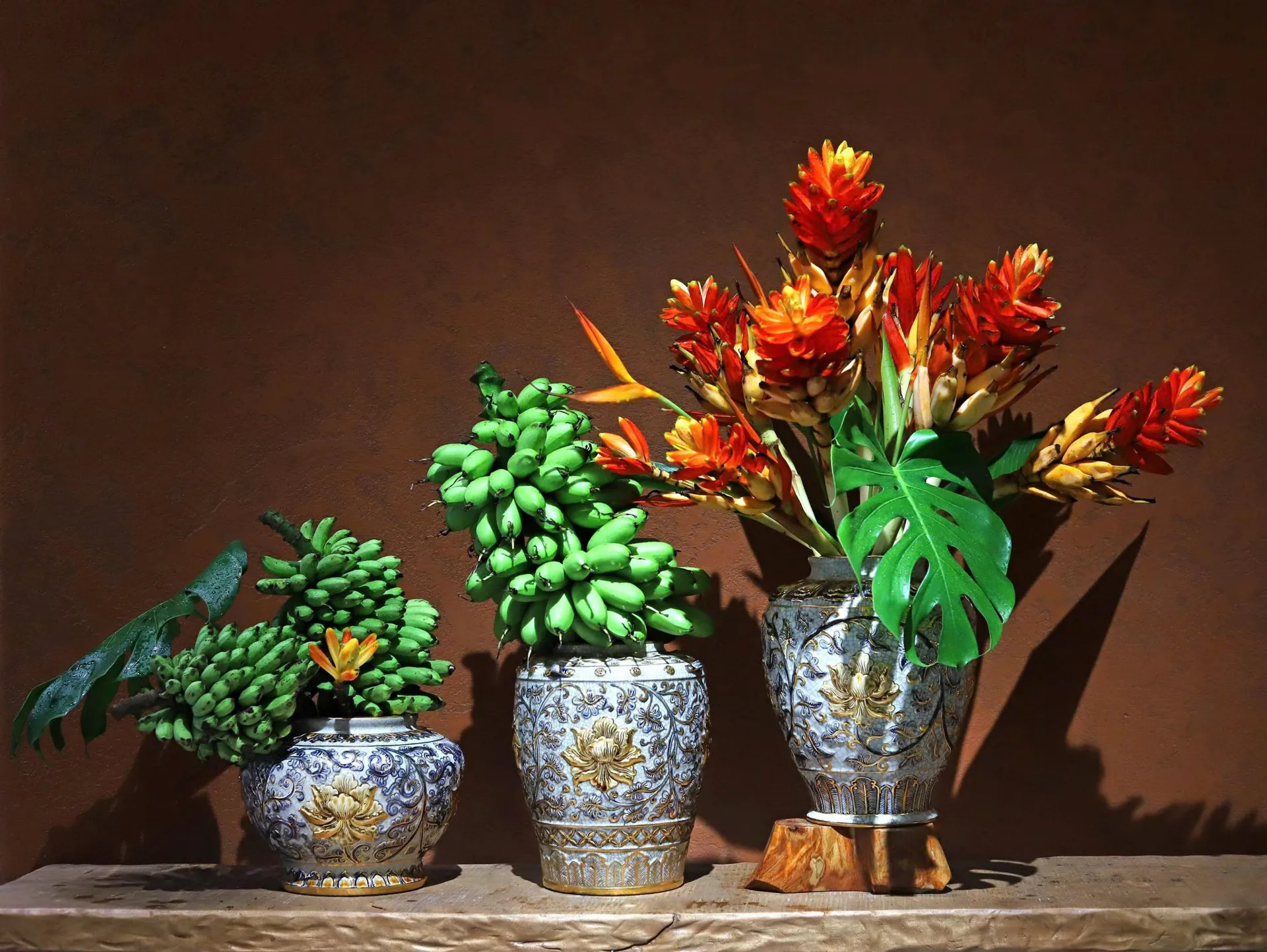
The contemporary Bat Trang ceramic products. Photo: Van An Loc Ceramic House, Bat Trang Village, Hanoi
Today, Hanoi boasts a thriving network of traditional craft communities, including Cu Da Vermicelli Village in Thanh Oai Commune, Van Phuc Silk Village in Ha Dong Ward, Quang Phu Cau Incense-making Village in Ung Thien Commune, and the renowned Bat Trang Ceramics Village in Bat Trang Commune, which are sustained and rejuvenated by a new generation of artisans.
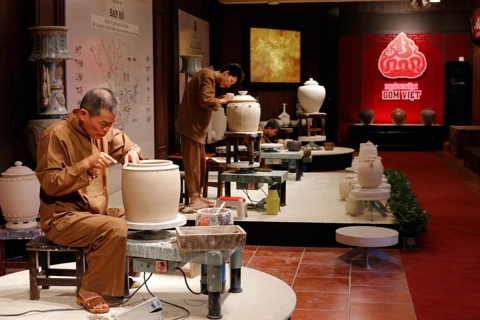
Among these passionate craftspeople is Vu Nhu Quynh, who was born in 1986 into a family of ceramicists spanning four generations in Bat Trang. From a young age, Quynh was surrounded by the rhythms of the potter’s wheel and the sight of clay being shaped into intricate vases by her parents and relatives. Yet, she didn’t immediately embrace the family trade.
After finishing high school, she pursued fashion design at the Hanoi University of Industrial Fine Arts. It wasn’t until after graduation that she felt called to return to her roots. Her background in fine arts has proven invaluable, enabling her to infuse traditional pottery with modern aesthetics by designing vivid patterns, selecting harmonious color palettes, and breathing new life into age-old techniques.
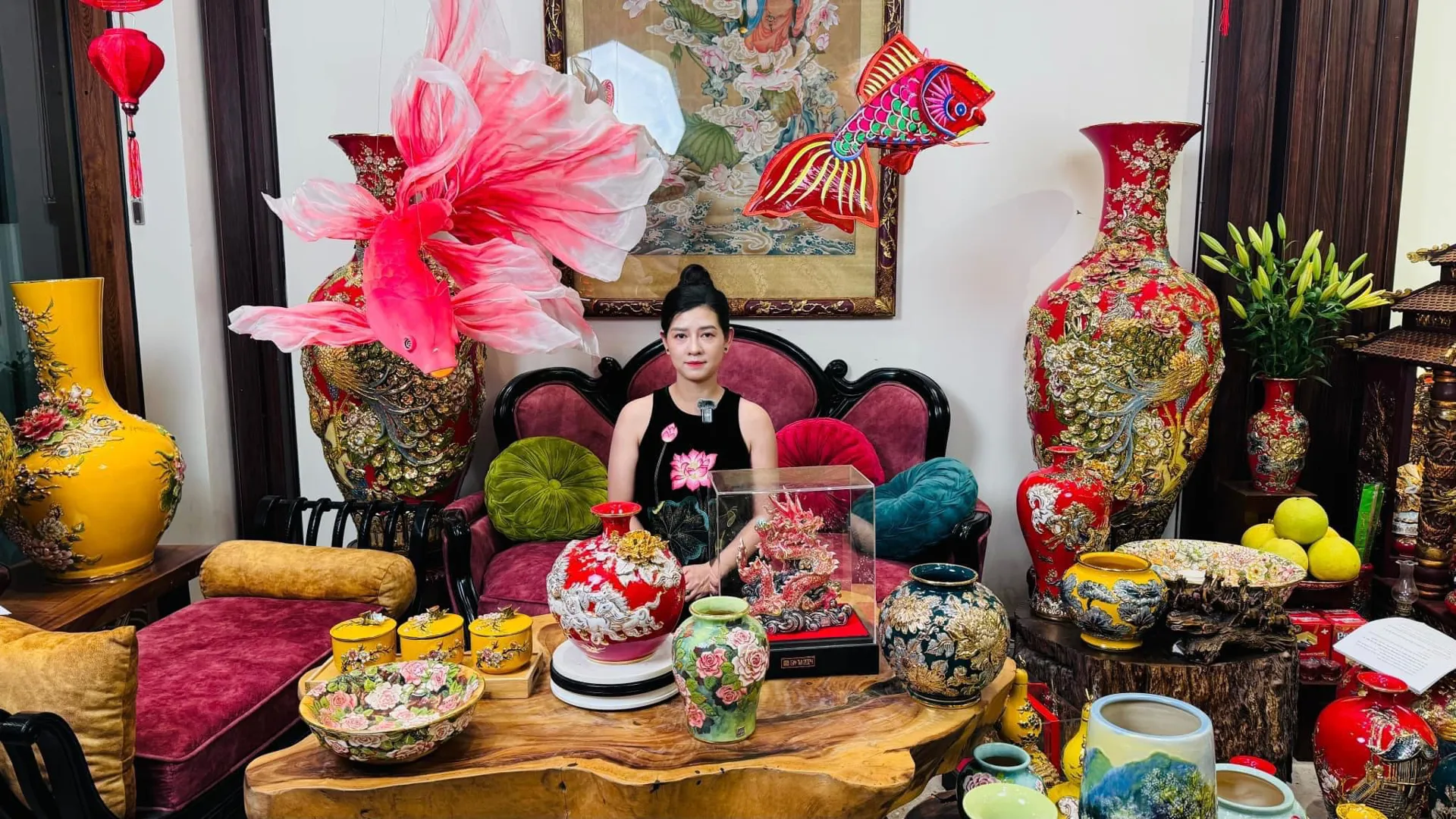
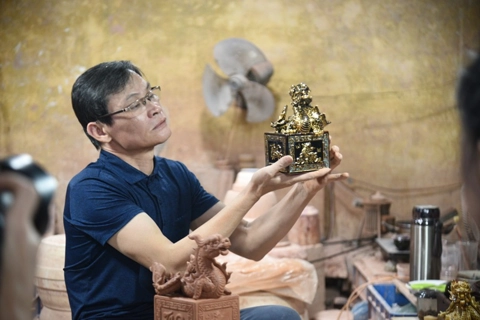
Bat Trang ceramic artist Vu Nhu Quynh with handcrafted pieces from her workshop. Photo courtesy of the artist
She realized that the market demanded worship items and decorative vases more than traditional ceramic bowls, plates, cups, and glasses. She began trying her hand at new products.
With her family support, she made embossed ceramics with gilding, gold painting, and crackle glaze. Her first 3D embossed products brought freshness to feng shui and spiritual ceramics.
Customers chose the young girl’s products thanks to their delicacy and high aesthetic value, especially the unique, lifelike, and graceful patterns. Soon after, Quynh expanded her business and became the director of Van An Loc Ceramics Co. Ltd., located in the Bat Trang Ceramics Village.
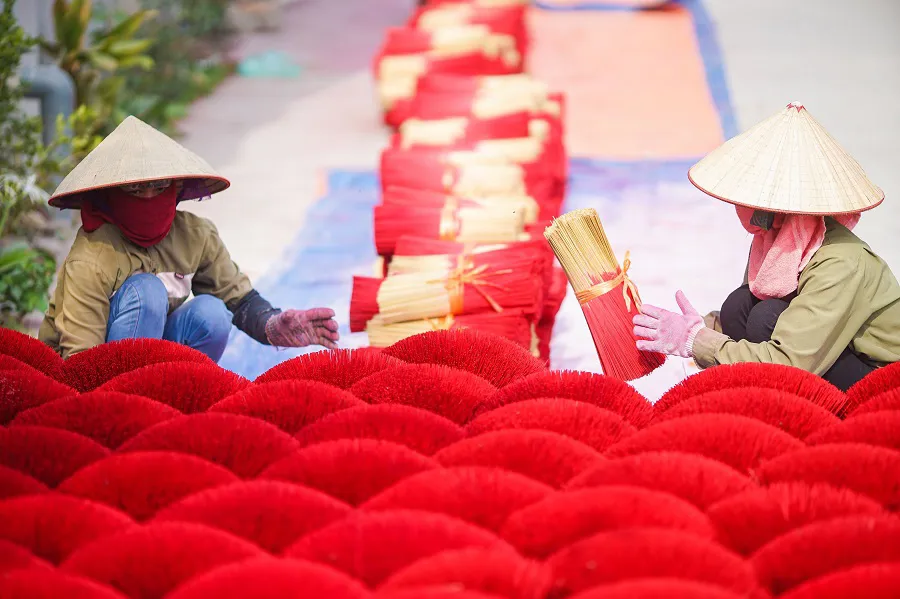
The traditional craft of incense-making in Quang Phu Cau Village, Ung Thien Commune, Hanoi. Photo: Huy Pham/ The Hanoi Times
Another inspiring story is that of Nguyen Thu Phuong, who received the Craft Village Artisan title in 2022. The 37-year-old resident of Quang Phu Cau Village in Ung Thien Commune comes from a family with a tradition of incense making. From a young age, she was accustomed to the scent of incense and learned how to make each incense stick.
Upon growing up, Phuong continued her family's trade by establishing the Tu Bi Huong Production Facility, which stays active in innovating her products, creating jobs for many locals.
To expand her market both in and outside of Vietnam, she has incorporated technology into her business, marketing Tu Bi Huong products on e-commerce platforms. Currently, her workshop is renowned for its high-quality products.
In the near future, Phuong hopes her children will follow in her footsteps, developing the family-owned brand and spreading the beauty of traditional handicrafts while preserving the cultural values of their hometown.

Artisan Nguyen Thu Phuong from Quang Phu Cau Incense-making Village. Photo courtesy of the artisan
In addition to the new generation of artisans, there are young Hanoians who are not artisans by trade but have embraced traditional culture and handicrafts out of passion. One example is Ngo Quy Duc, the founder of the Bach Nghe Craft Guild project in Ba Dinh Ward. The guild is a center for researching, applying, and developing the finest handicraft products from Vietnamese craft villages. For over 15 years, Duc has dreamed of incorporating traditional Vietnamese handicrafts into daily life.
Although he was not born or raised in a craft village, he was exposed to various handicrafts at his grandfather's house from childhood, such as Dong Ho and Hang Trong folk paintings, rattan and bamboo tables and chairs, and lacquer boxes. As he grew up in a more developed society, he lamented the fading presence of these artworks in daily life.
After interacting with multiple artisans in traditional craft villages and participating in relevant club activities, Duc launched the Bach Nghe Craft Guild project, which introduces young people to traditional handicrafts.
The project highlights tours of traditional craft villages, where visitors can speak with artisans and learn about the handicraft production process. Each tour offers a unique experience, allowing visitors to understand and appreciate the nation's traditional products more profoundly.
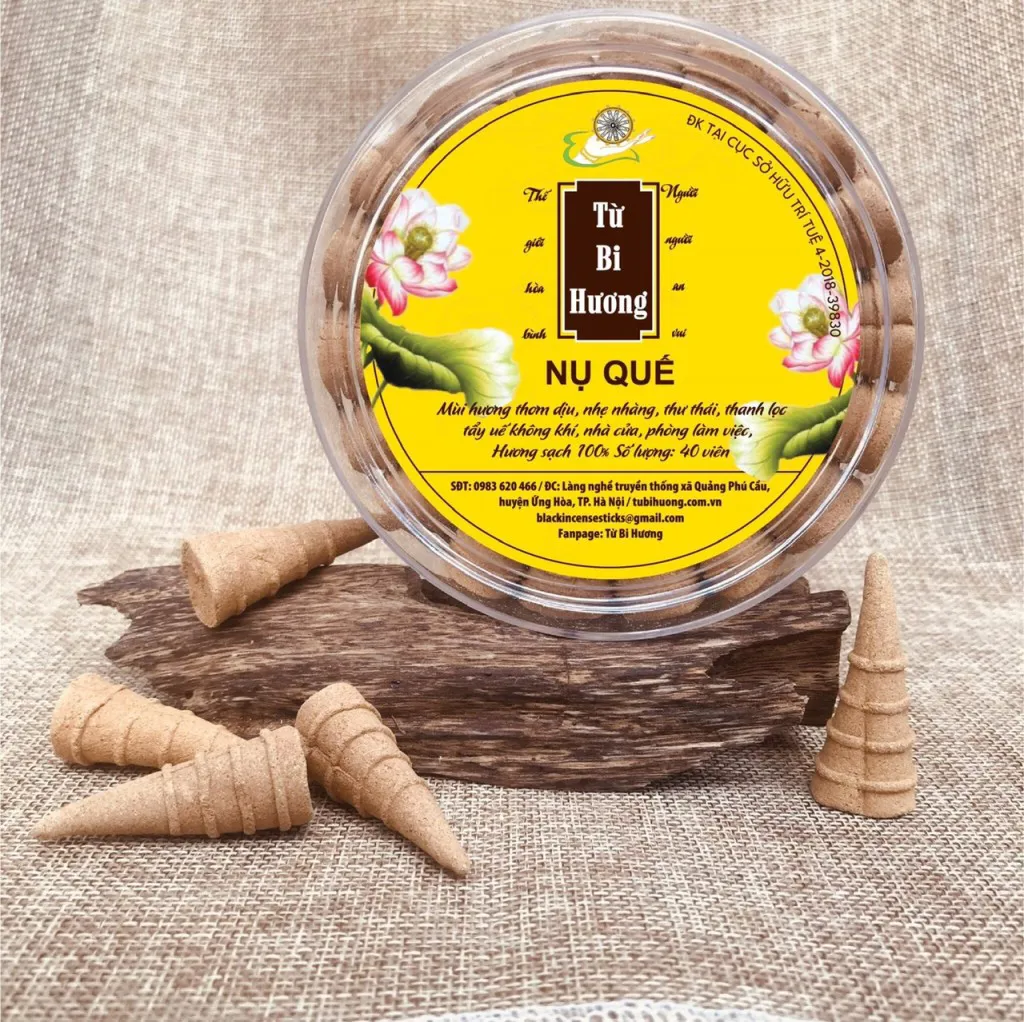
The products of Huong Tu Bi from Quang Phu Cau Incense-making Village, Thien Ung Commune, Hanoi. Photo: Tu Bi Huong Production Facility
Bringing traditional handicrafts far and wide
Hanoi is commonly nicknamed the "Land of Hundreds of Crafts." To date, the capital is home to hundreds of craft villages. Each one not only preserves cultural and historical values, but also provides a livelihood that contributes to the sustainable material and spiritual lives of the locals.
Developing craft villages involves finding markets for traditional products and ensuring artisan satisfaction, while young Vietnamese artisans increasingly use digital platforms to share their heritage and crafts with the world.
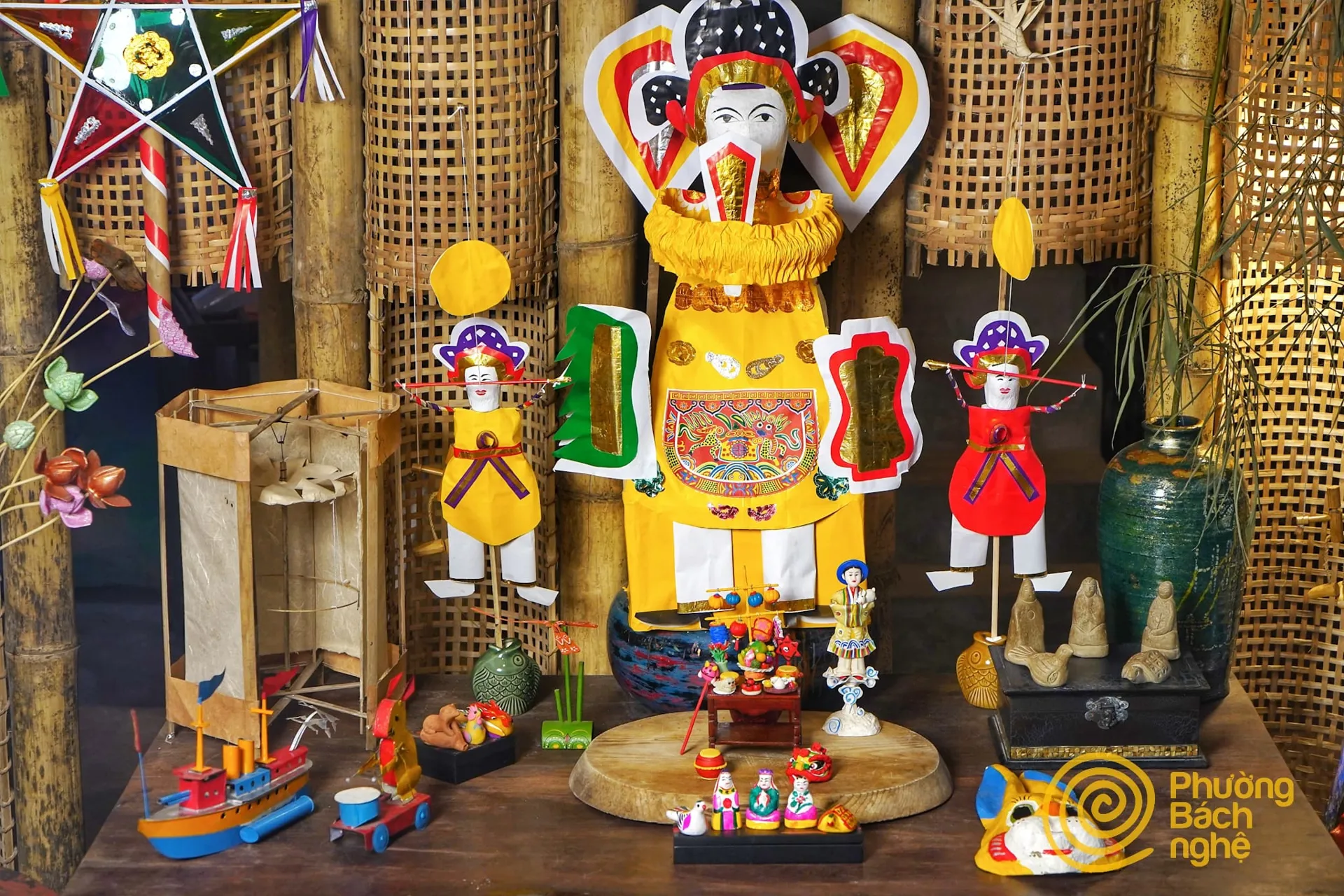
These Hanoi craft toys for Mid-autumn Festival are collected by Bach Nghe Craft Guild. Photo: Phuong Bach Nghe
Thanks to technology, Vu Nhu Quynh's evolving ceramic designs now reach both domestic and international markets, featuring high-end spiritual items with gold-plated finishes and luxurious home decor pieces.
Meanwhile, artisan Nguyen Thu Phuong's products have been certified as an OCOP (One Commune, One Product) goods, satisfying both domestic and foreign customers with its quality. Recently, local black incense and incense sticks have been exported to India, Malaysia, and other Southeast Asian countries. However, achieving overseas success requires Phuong to diversify her products and cater to the tastes of international customers.
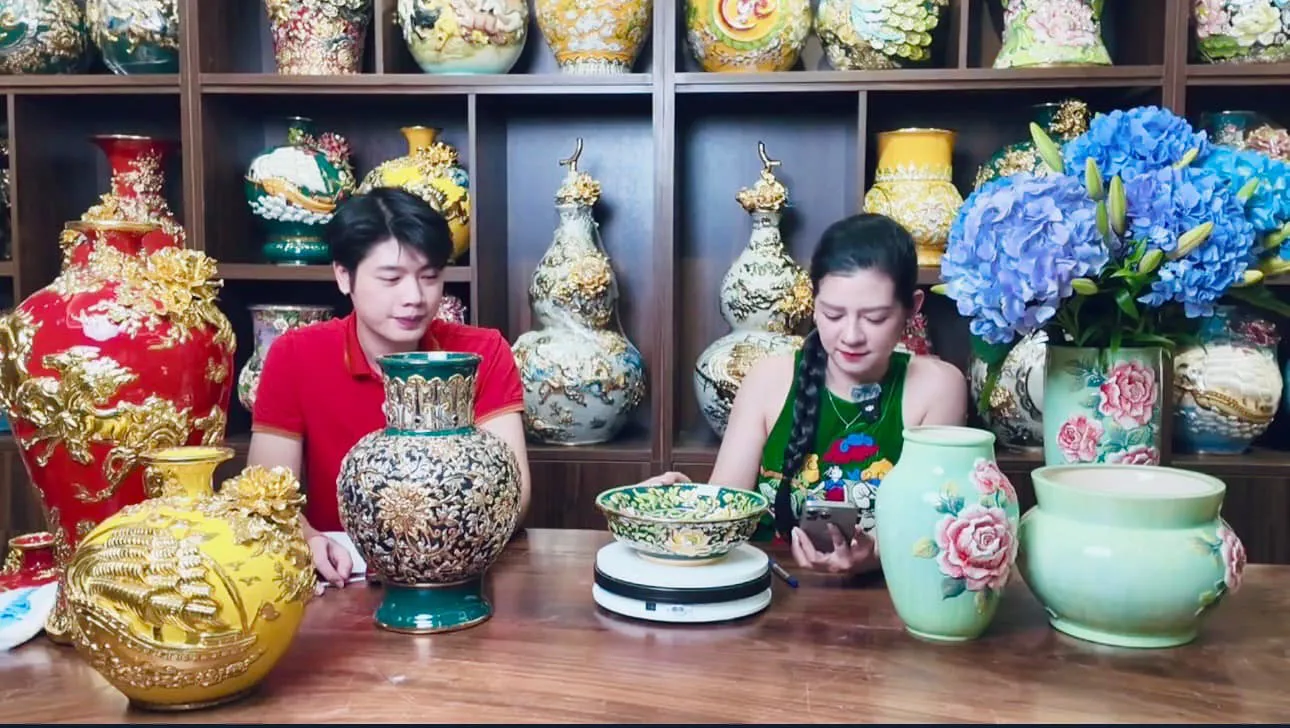
Bat Trang Ceramic Village artis Vu Nhu Quynh in a livestream shopping session. Photo courtesy of the artist
To bring traditional Vietnamese crafts to global markets, Ngo Duc Quy believed that effective communication and creative initiatives are essential. Therefore, he offers high-quality products and craft village tours that share Vietnam’s cultural heritage with both local and international travelers.