Vuon Chuoi: Unearthing Hanoi’s ancient aristocracy and craftsmanship
In an ancient grave dating back nearly four millennia at the Vuon Chuoi relic site, experts have uncovered rare ceremonial objects and finely crafted jade treasures, findings that shed new light on the cultural richness of early Vietnamese communities.
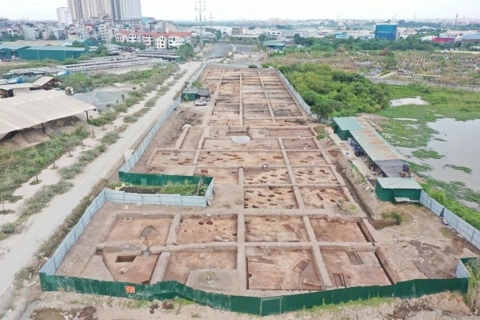
THE HANOI TIMES — Nestled in Hoai Duc Commune, Hanoi, the Vuon Chuoi Archaeological Site has quietly revealed the layers of the city’s distant past since its discovery in 1969.
Over decades of careful excavation, this site has unfolded the story of early communities in northern Vietnam, spanning from the Early Bronze Age to the Dong Son culture (dated from the seventh century BC to the first - second century AD).
The latest digs have uncovered an aristocratic tomb brimming with ceremonial artifacts, offering a rare window into social hierarchy, craftsmanship and daily life nearly four millennia ago.
Inside the tombs of nobility
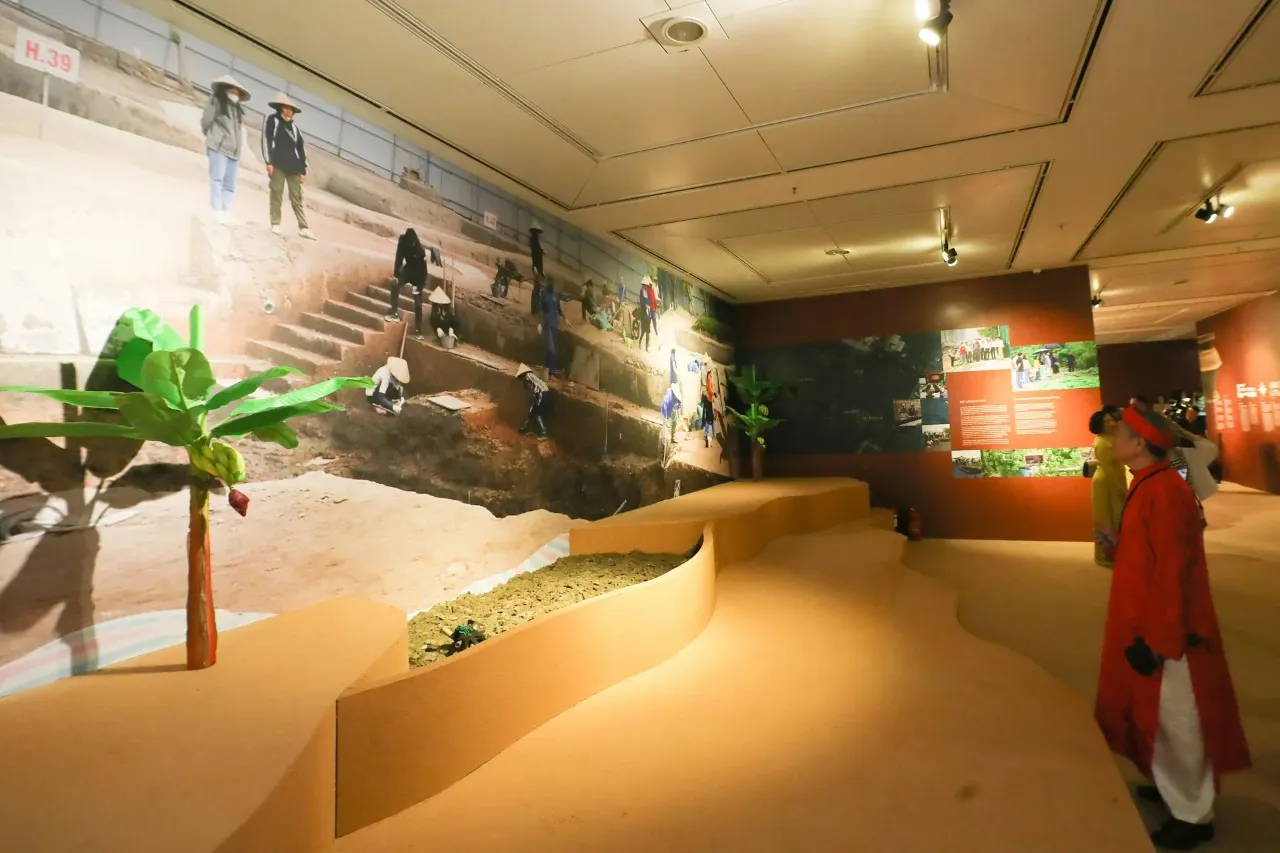
The thematic exhibition on the Vuon Chuoi archaeological site opens a window into the vibrant northern delta culture that thrived millennia ago.
As he flipped through his diary, archaeologist Nguyen Tho Dinh from the Vietnam Institute of Archaeology recalls a moment of quiet awe at pit H16 when his team, while carefully scraping layer 3, uncovered a curved hexagonal object near a kneecap, an artifact shape never before seen in Vietnam.
During this meticulous process, the team spotted a curved hexagonal object buried upright beside the deceased’s kneecap.
“The whole group stopped right away and gathered to observe. Everyone was surprised because the shape of this object had never been found in Vietnamese territory,” said Dinh.
Once the soil was cleared, Tomb 40 revealed itself beneath. It was identified as belonging to the Phung Nguyen culture (2,000-1,500 BC) in the Early Bronze Age (3,300- 2,100 BC). Remarkably, despite the passage of time, the bones, including thigh, limb and rib fragments that remain largely intact.
“The skull of the tomb owner is no longer intact due to great damage by a house pillar from the Dong Son culture period [1,000 BC–200 AD],” Dinh noted.
The excavation also uncovered a stone bracelet and a set of pointed jade blades resembling weapons. Most striking was the six-sided burial object, initially referred to as a ceremonial axe or jade axe.
“After studying and comparing documents, it can be determined that this is a jade axe- a type of ceremonial object with a round hole in the middle, normally present only in tombs of the nobility,” he added.
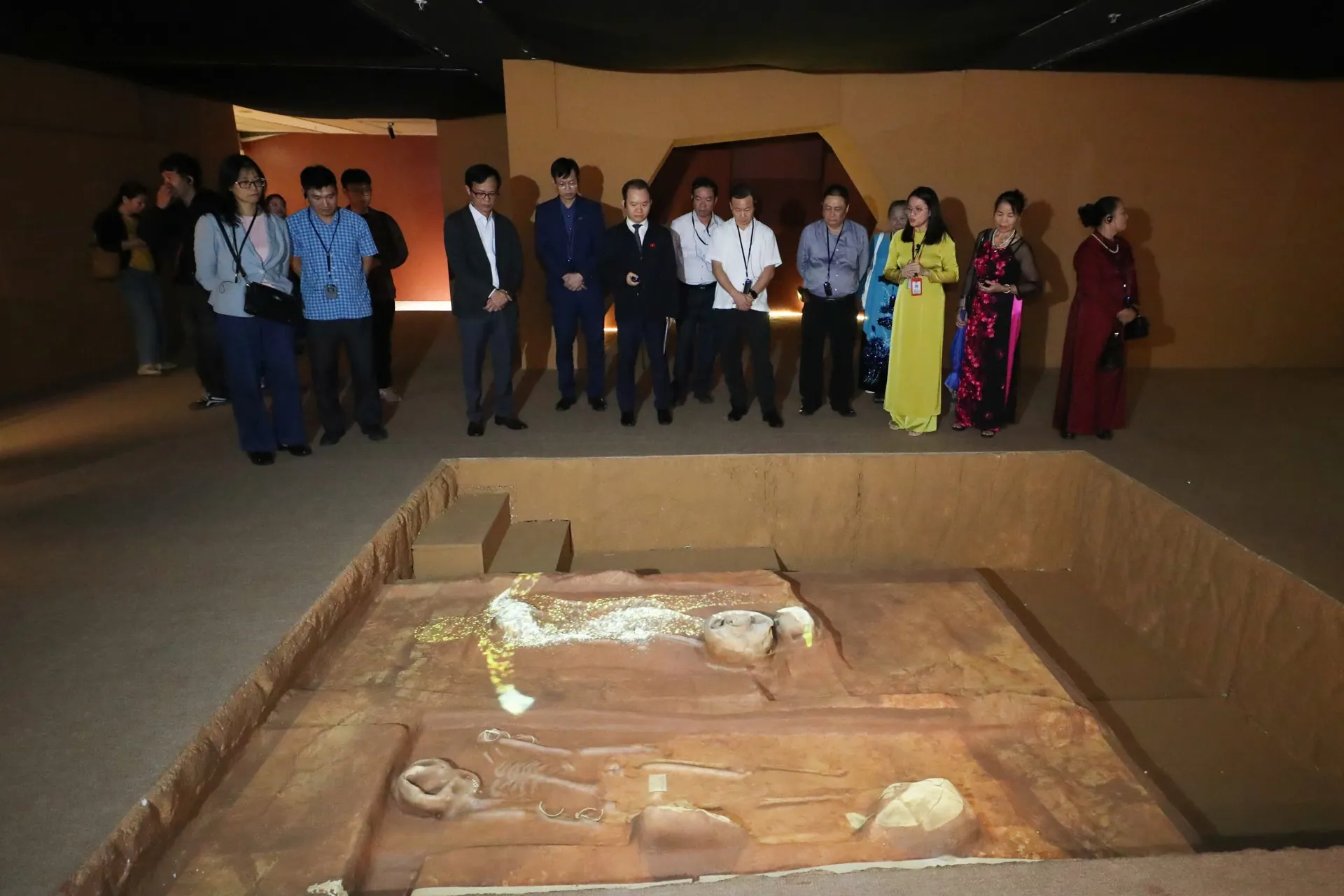
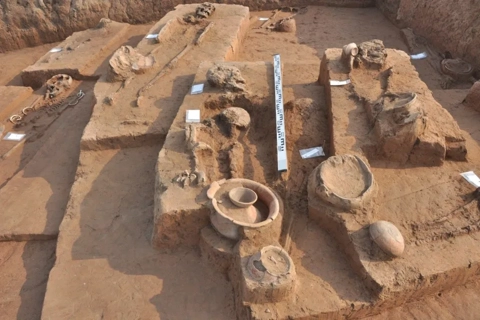
At the Vuon Chuoi relic site, individuals who died almost four thousand years ago were laid to rest directly in the soil, without the use of caskets.
The excavation also uncovered a stone bracelet and a set of pointed jade blades resembling weapons. Most striking was the six-sided burial object, initially referred to as a ceremonial axe or jade axe.
“After studying and comparing documents, it can be determined that this is a jade axe- a type of ceremonial object with a round hole in the middle, normally present only in tombs of the nobility,” he added.
From this diverse collection of relics, especially the ceremonial axe, the Vuon Chuoi research team concluded that the buried individual was likely a regional leader- a high-ranking figure in the community many centuries ago.
The team also observed signs of social hierarchy within the ancient village. While some graves contain numerous burial objects, many others include only a few small ceramic items or none at all.
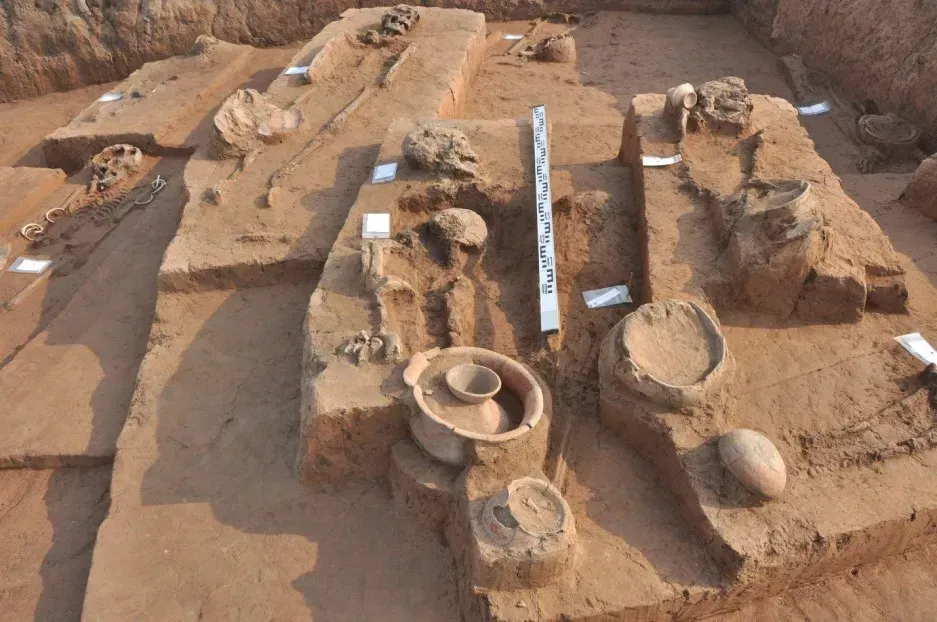
A detailed view of an ancient tomb at the Vuon Chuoi archaeological site, preserved from nearly four millennia ago.
As archeologist Nguyen Tho Dinh assessed, Vuon Chuoi is more than just a village, probably the center of a "joint village" or "super village".
Not only Tomb 40 but most other graves at the site have no coffins. According to the research team, people of the Phung Nguyen culture through the early Dong Son period did not practice coffin burials. Instead, bodies were placed directly into the ground and covered with the removed clay.
“Burying the dead body without using a casket creates an anaerobic environment, helping to preserve the bones almost intact for thousands of years,” Dinh explained.
New discoveries at the Vuon Chuoi relic site
Excavations have revealed four continuous cultural layers at Vuon Chuoi: Late Phung Nguyen, Dong Dau (1,500–1,000 BC), Go Mun (1,000–700 BC) and Dong Son. Comparable to other northern sites such as Dong Dau in Phu Tho and Dinh Trang in Hanoi, Vuon Chuoi chronicles a historical arc spanning the formation of the Van Lang (2,524–258 BC) and Au Lac (257–179 BC) states.
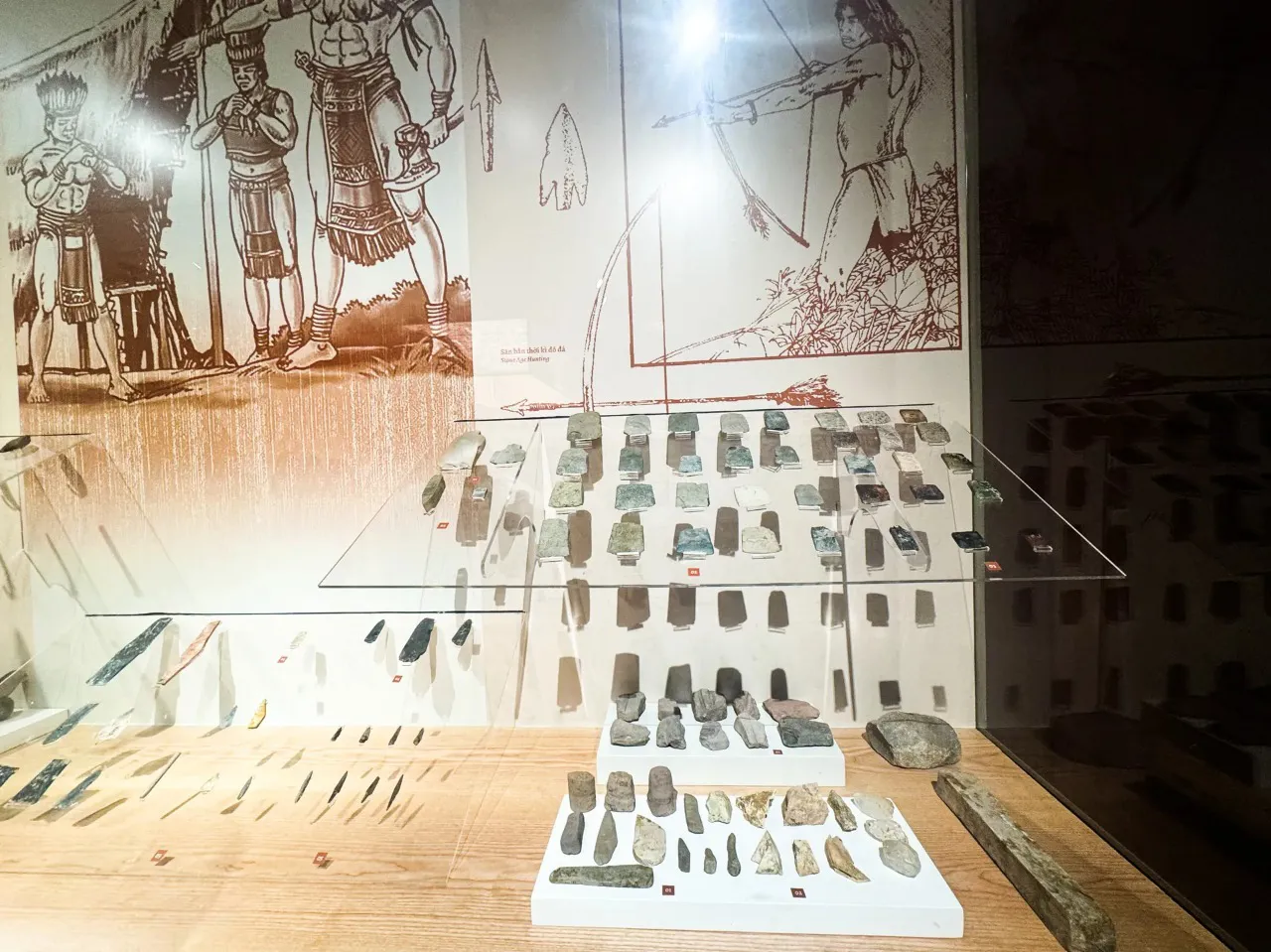
Artifacts found at the Vuon Chuoi archaeological site.
Beyond tombs, Vuon Chuoi reveals traces of daily life and specialized production. Archaeologists identified a probable jade crafting area, complete with an earthen working surface, water channels, broken bracelets, stone axes, ceramics, charcoal and animal bones. This points to vibrant workshops where skilled artisans produced ceremonial and functional items.
Adjacent to the jade zone, a Go Mun-period workshop specialized in bamboo and wooden objects. Located near an ancient stream, the muddy soil preserved wooden columns, tools and debris from crafting activities.
“These materials allow us to visualize daily life and the sophistication of craft technology thousands of years ago,” Dinh noted.
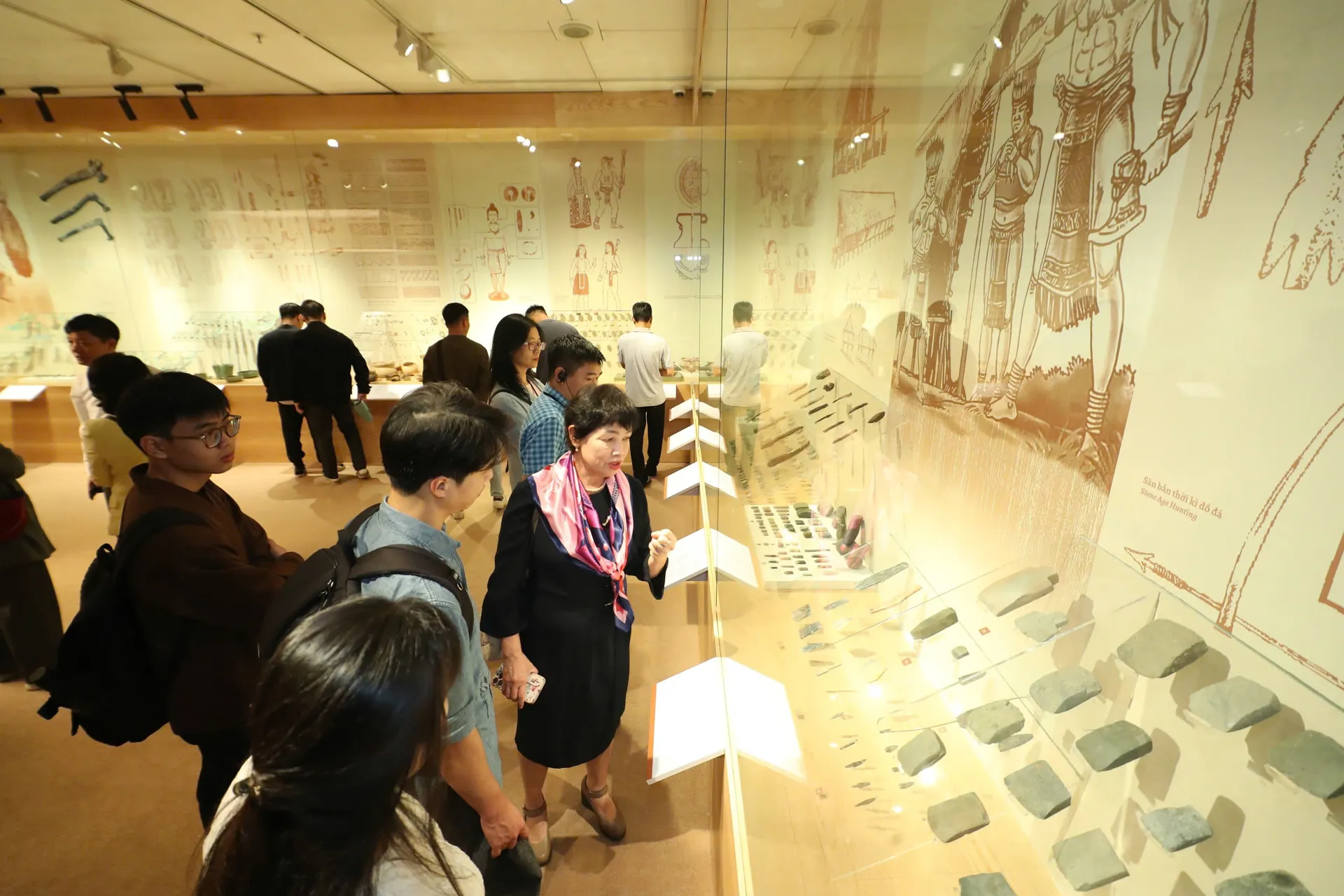
The tombs, workshops and artifacts collectively suggest that Vuon Chuoi was not just a village but a central hub, what archaeologists call a “super village.” Its scale and influence rival the Co Loa site, emphasizing its pivotal role in early state formation.
Nearby relics such as Den Ran, Mo Phuong, Dinh Lo, Cay Muong, Chua Gio and Chien Vay hint at a network of settlements that contributed to the Van Lang and Au Lac states.
The sets of bronze and jade tools, jewelry, and weapons demonstrate high craftsmanship and social sophistication. Experts believe these unique collections may qualify for national treasure status.
“Vuon Chuoi is not simply a village. It is likely the center of a complex network of communities,” Dinh explained.
Findings from Vuon Chuoi were presented at the “New Discoveries in Archaeology 2025 - 60th Edition” conference, hosted by the Vietnam Institute of Archaeology under the Vietnam Academy of Social Sciences in Hanoi on November 13-14. Among 385 papers, scholars shared insights on prehistoric, protohistoric, historical, Champa–Oc Eo and underwater archaeology, highlighting the breadth and depth of research in Vietnam.