Words on the Street: Vietnam's E-Cigarette ban sparks debate
Welcome back to Words on the Street, where we explore the stories that influence discussions and spark arguments on Hanoi's bustling streets.
"If the ban is just for show while traditional cigarettes are still legal, then fine, I'll smoke regular ones. At least they're not pretending to be something else. Without solid research on vaping's long-term risks, banning it outright just shoves people like me back to smoking paper sticks. How's that helping public health?" said Huy Hoang, a friend battling a smoking addiction
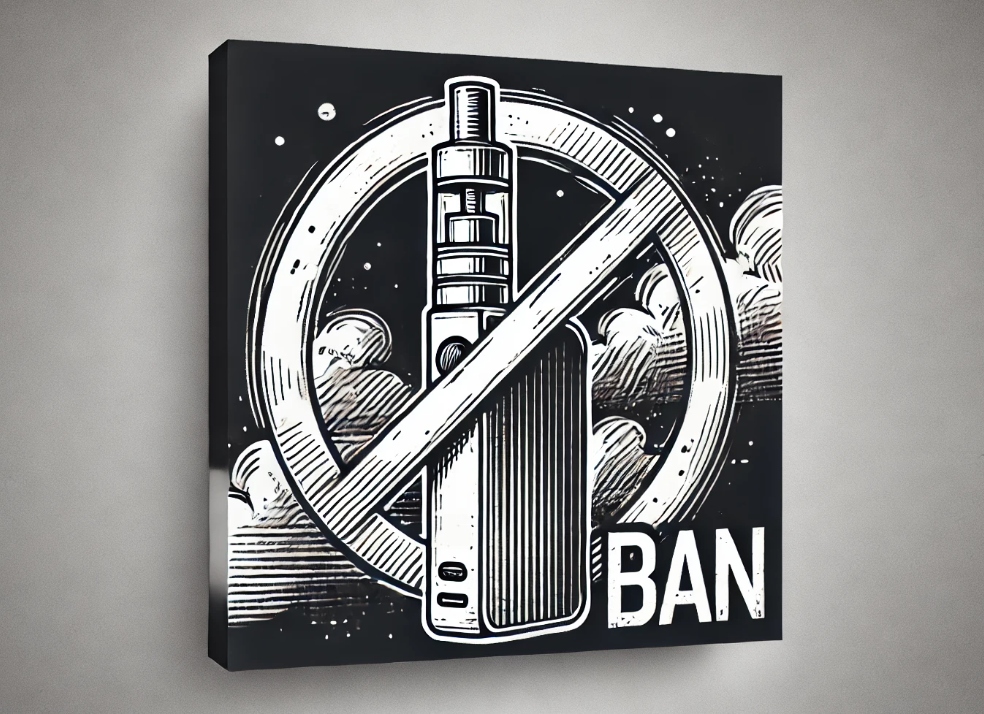
In Resolution No. 173/2024/QH15, the National Assembly agreed to ban the production, trade, import, storage, transport, and use of e-cigarettes, heated tobacco products, and gases or substances harmful to human health starting in 2025, aiming to ensure public health, social order, and safety.
E-cigarettes (also known as vapes or pods) are everywhere on the bustling streets of Hanoi. From smoky trails in vibrant nightclubs to quiet puffs in internet cafes, vaping seems to have become a new urban trend. But politicians, health experts, and the general public are engaged in contentious discussions as the government considers an outright ban on e-cigarettes. Is this the best course of action for Vietnam?
The explosive growth of vaping is both exciting and unsettling to someone like me who has personally witnessed this cultural shift. Many of my acquaintances who were once adamantly opposed to smoking in any form now casually indulge in vaping as if it were no big deal because it has become so commonplace. It has gone from a habit to a social statement that permeates daily life, nightlife, and conversations. This normalization is particularly troubling because it downplays the dangers of smoking in any form.
The popularity of vaping in Vietnam has skyrocketed, especially in urban areas. Bars, clubs and internet cafes are hotspots where you're almost guaranteed to see a vape device. It's not just about smoking, it's about style and convenience. Knowing their audience, manufacturers have invested heavily in product design, offering sleek, customizable devices and flavours ranging from exotic fruits to desserts. This appeals to young people in particular and makes vaping seem harmless and even "cool.
Cultural influences have also played a major role. Pop culture, fueled by the visibility of vaping among artists, celebrities and influencers, has helped solidify its status as a trend. It's no longer just an alternative to traditional smoking; it's a lifestyle. In some circles, not vaping even makes you look out of place or "uncool". This peer pressure, coupled with the allure of pop culture, has undoubtedly contributed to the spread of the habit among youth.
Despite its popularity, the long-term health effects of vaping are still poorly understood. Personally, I haven't met anyone who has suffered serious consequences from vaping. However, online posts of X-rays showing damaged lungs tell a cautionary tale. These images hint at the silent harm that vaping may cause, even if it doesn't seem as immediately harmful as traditional smoking.
Health experts argue that e-cigarettes are far from safe. While they contain fewer harmful chemicals than regular cigarettes, they still deliver nicotine, a highly addictive substance. For young people, this addiction can quickly spiral out of control, potentially leading to a lifetime of addiction or even a transition to traditional smoking.
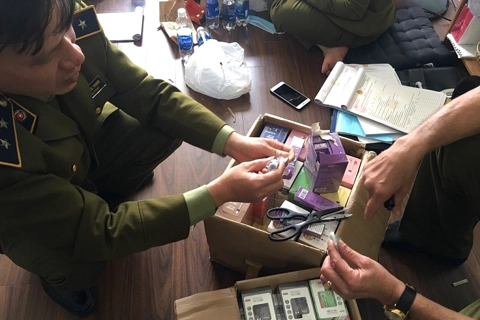
If Vietnam moves forward with a complete ban, one of the biggest challenges will be the rise of a black market. This is not just a hypothetical concern, it's a likely reality. Black markets thrive in conditions where demand remains high but legal supply is cut off. These operations are often clandestine and difficult to regulate, making it a struggle to ensure the safety and quality of the products being sold. Worse, weak enforcement or unclear penalties can open the door to corruption, further complicating the problem.
Another challenge is meeting the needs of those who use vaping as a stepping stone to quitting traditional cigarettes. For some, vaping is seen as a less harmful alternative that helps them gradually reduce their nicotine intake. Without viable alternatives or effective support systems, banning e-cigarettes could drive these individuals back to more harmful habits.
The Vietnamese public is deeply divided over the proposed ban. Parents and non-smokers are among its strongest supporters, seeing it as a necessary measure to protect younger generations from nicotine addiction and its associated health risks. Conversely, regular vapers, especially young adults, see the ban as an infringement on personal freedom. Many argue that with proper education and regulation, vaping could coexist with societal norms without being banned outright.
Rather than an all-out prohibition, Vietnam could consider a phased approach that prioritizes regulation over prohibition. One effective strategy could be to increase taxes on e-cigarette products, making them less affordable and thereby reducing demand. Stricter controls on advertising and distribution could also limit their appeal, particularly to young people.
Public awareness campaigns would be another key component. Educating communities about the risks of vaping through schools, social media and public health programs could change perceptions and reduce its appeal. At the same time, providing support for those trying to quit, such as counselling and nicotine replacement therapy, would ensure that the needs of current users are not overlooked.
At its core, the vaping debate isn't just about e-cigarettes. It's a reflection of broader challenges in balancing public health and personal freedom, regulation and enforcement, tradition and modernity. While banning e-cigarettes may seem like a simple solution, the issue is far more nuanced. Without comprehensive planning and robust support systems, such a move could create more problems than it solves.
As the debate unfolds, one thing is clear: the decisions made today will shape Vietnam's health landscape for years to come. How we approach this issue will not only determine the fate of e-cigarettes but also set a precedent for how the nation deals with public health challenges in an ever-changing world.