Xoe Thai Dance named as new Intangible Heritage of the World
It is an important milestone that marks the Vietnamese folk dance's presence on the world’s intangible cultural heritage map.
The unique dance art form of the Thai ethnic minority, one of 54 ethnic groups in Vietnam, has just been recognized by UNESCO as a new Intangible Heritage of the World.
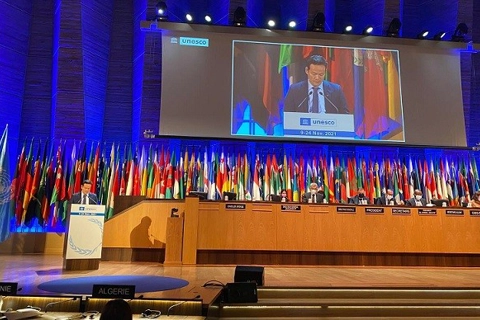
The announcement was made after the discussion of the 16th session of UNESCO’s Intergovernmental Committee for the Safeguarding of the Intangible Cultural Heritage concluded on December 15.
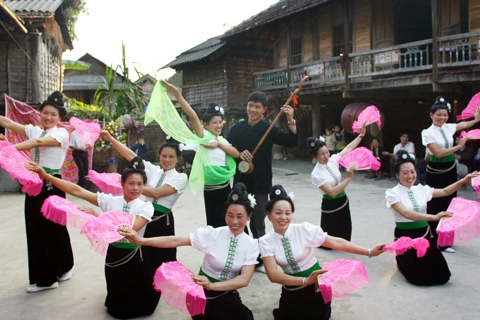
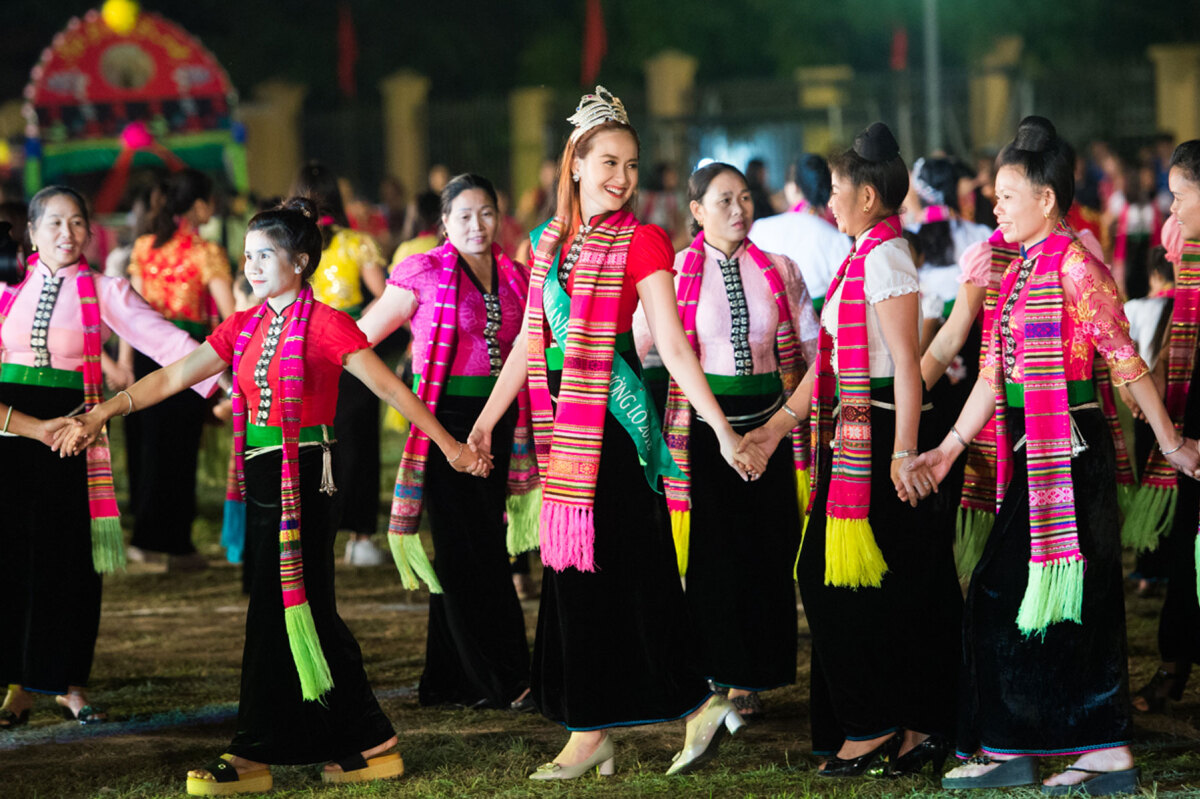
| Xoe is a joyful dance of the Thai ethnic minority in Vietnam that is often performed at important ceremonies such as festivals, Tet celebrations, and weddings. Photo: gwaam.com |
According to the Intergovernmental Committee, the proposed dossier of Xoe Thai Dance met all five criteria set forth by UNESCO, which are: the elements of intangible cultural heritage as defined in the 2003 Convention; the recognition would help ensure the popularity of Xoe Thai and raise people’s awareness of the importance of intangible cultural heritage; the proposed conservation measures are capable of preserving and promoting the heritage; the heritage has been nominated with the free will and consent of the community concerned; being an intangible cultural heritage of a UNESCO’ member country and has been nominated by that member under the 2003 Convention.
The recognition of Xoe Thai Dance as a new UNESCO’s Intangible Heritage affirms the appreciation of Vietnamese cultural values by the international community and experts.
Ambassador - Head of the Vietnamese Delegation to UNESCO Le Thi Hong Van said that the inscription of Xoe Thai dance is not only the pride of the Thai community in the Northwest areas of Vietnam but also a great beatitude of the whole nation.
“The event also contributes to promoting the image of Vietnam as a dynamic developing country but still preserves its rich cultural identities well,” she said.
In addition, the inscription will create more resources for sustainable, inclusive economic and cultural development in localities and communities.
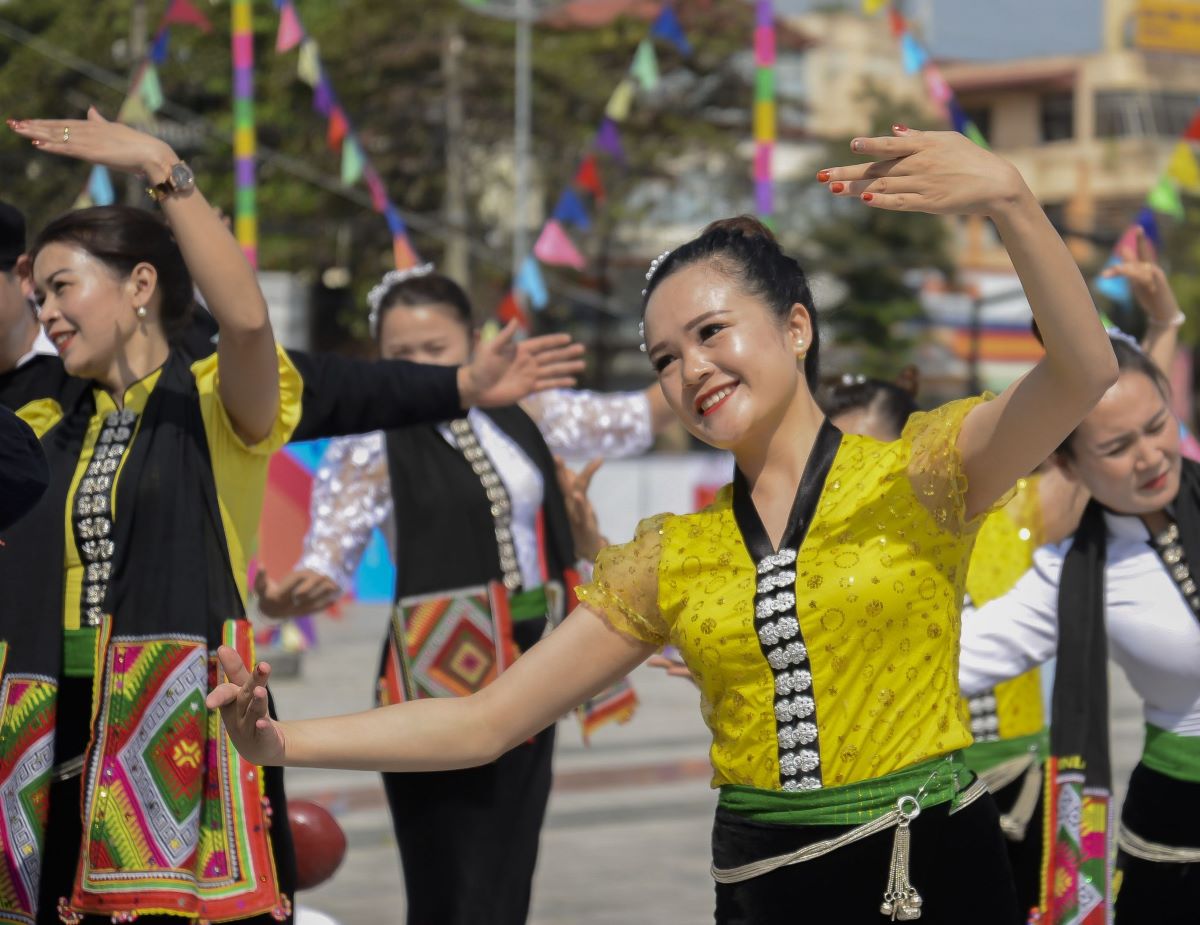
| There are six ancient Xoe Thai dances that in each of them, the dancers showcase the distinctive cultural traits and personalities of their minorities. Photo: gwaam.com |
So far, the Xoe Thai Dance is the 14th intangible cultural heritage of Vietnam inscribed by UNESCO.
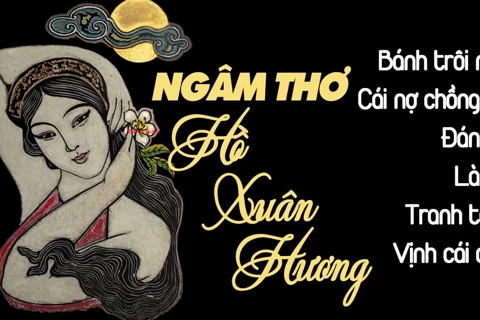
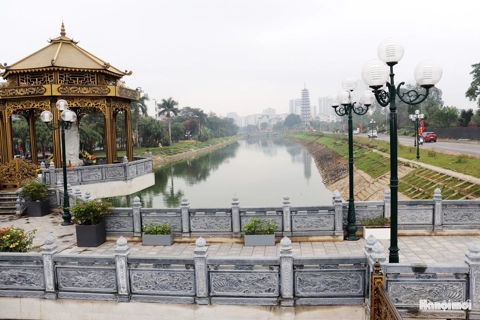
Earlier this year, there were four other national tangible and intangible cultural heritages were recognized by UNSECO, including Nui Chua National Park (Ninh Thuan Province), Kon Ha Nung Plateau (Gia Lai Province), and two celebrities Ho Xuan Huong and Nguyen Dinh Chieu.
Xoe Thai folk dance is practiced in the villages of the Thai people who reside mainly in the four provinces of Yen Bai, Lai Chau, Son La, and Dien Bien in the northern mountainous region of Vietnam. Muong Lo District (Yen Bai Province), Muong So District (Lai Chau Province), Muong Lay District and Dien Bien Phu City (Dien Bien Province), Thuan Chau District (Son La Province) are considered the centers of Xoe.
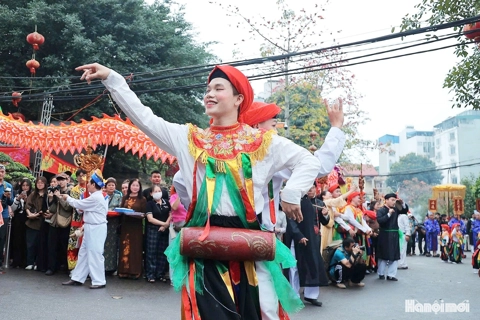
As a traditional dance of the Thai ethnic minority, Xoe dance involves people holding hands and performing six traditional acts, including welcoming, clapping hands, waving scarves, and offering wine.
There are six ancient Xoe Thai dances that are often performed during important ceremonies such as festivals, Tet celebrations, weddings, among others. The beats to the ancient dances are to express the joy of people. In each dance, Thai people display their distinctive cultural traits and personalities.
As a unique dance form that has been well preserved for hundreds of years, dancing brings people together. Dancing to the beats of the drum, gong and cymbals encourage people to love life and be more in tune with nature and their peers.