Congress delegates decided to shorten their working schedule after completing key agenda items ahead of time.
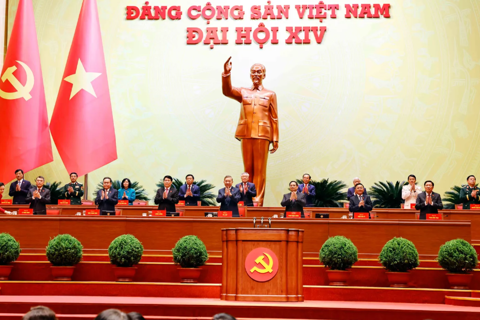
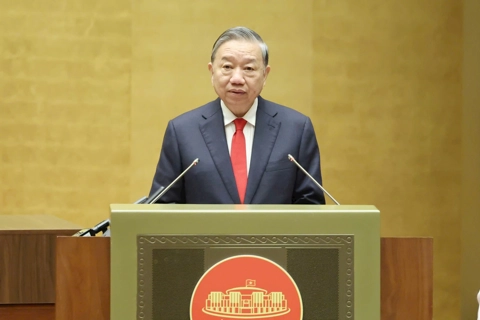
THE HANOI TIMES— The 14th National Party Congress on January 21 voted to shorten its working schedule by one and a half days, citing efficient and highly disciplined proceedings that allowed key agenda items to be completed ahead of time.
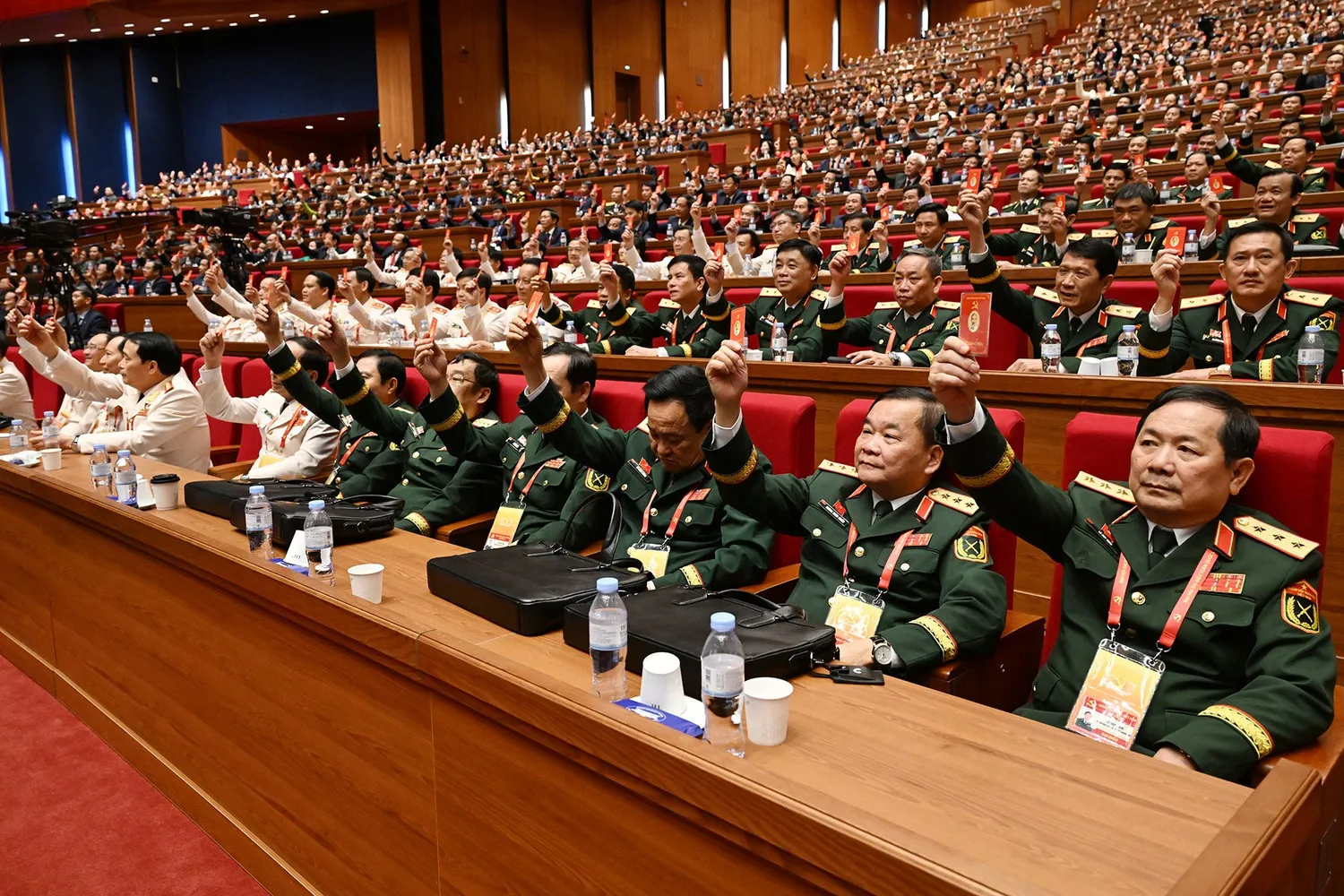
The Congress voted to approve an adjusted program, shortening the schedule by one and a half days compared with the original plan. Photo: daihoidangtoanquoc.vn
The decision was adopted during an afternoon plenary session, approving an adjusted program for the Congress. As a result, the Congress is now expected to conclude on January 23 instead of January 25 as originally planned.
Earlier, at a pre-congress press briefing, Politburo member and Standing member of the Secretariat Tran Cam Tu said the 14th National Party Congress was scheduled to take place from January 19 to 25, 2026.
However, thanks to what delegates described as an exceptionally focused, scientific and responsible working spirit, many major contents were finalized earlier than expected, paving the way for the shortened timetable.
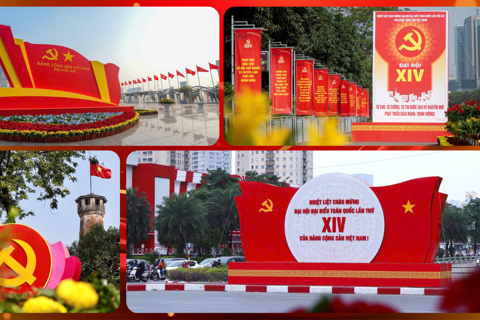
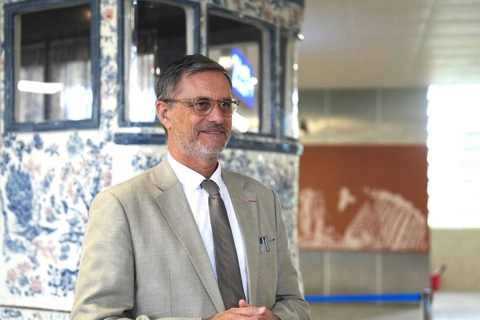
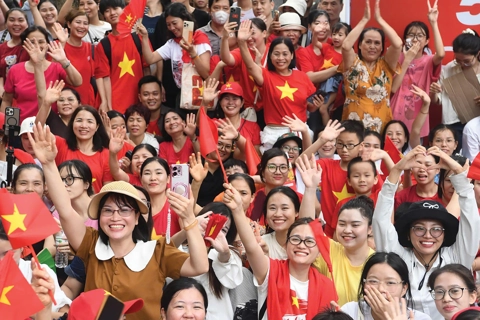
Acknowledging Vietnam’s strong development record in recent years, many ambassadors and diplomatic leaders have voiced confidence that the 14th National Congress of the Communist Party of Vietnam will conclude successfully and provide clear guidance for the country’s next stage of development, while contributing to peace, cooperation and shared prosperity globally.
During the working sessions, delegates will discuss and decide major issues concerning national development, Party building and the political system and will elect the new Party Central Committee.
As Vietnam approaches a decisive political moment, French businesses are closely assessing policy signals to align investment strategies and deepen long-term cooperation with one of Asia’s most dynamic economies.
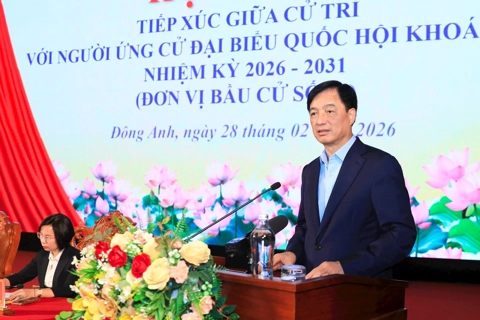
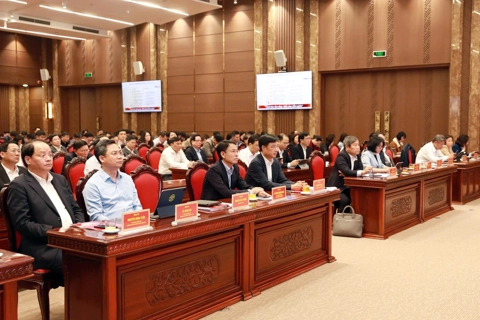
The candidates pledge institutional reform, infrastructure upgrades and a stronger focus on science, technology and public services as the capital prepares for the 16th National Assembly term.
As climate risks intensify across Southeast Asia, young people are being called upon to move from awareness to action, harnessing technology, creativity and policy engagement to accelerate environmental solutions.
The three resolutions on education, healthcare reform and cultural development are closely interconnected and mutually reinforcing, all directed toward building a capital that is cultured, civilized, modern and happy.
Developing the state economy and Vietnamese culture forms the twin pillars of a unified development strategy, one strengthening material capacity, the other reinforcing cultural and social resilience.
A central message of the 14th National Party Congress and the 18th Congress of the Hanoi Party Organization (2025-2030) is that people’s happiness must be at the core of development. All policies be grounded in citizens’ legitimate rights and interests, with public satisfaction serving as the ultimate measure of success.
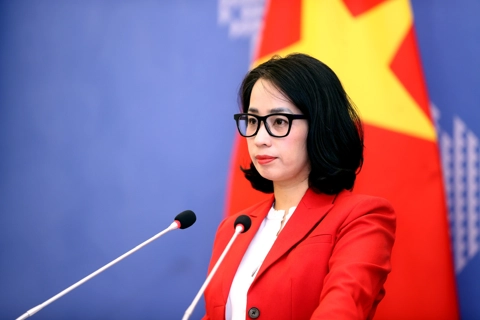
Vietnam has reaffirmed its strong commitment to meeting international standards on tax transparency and information exchange following the European Union's adding Vietnam to its list of non-cooperative tax jurisdictions.
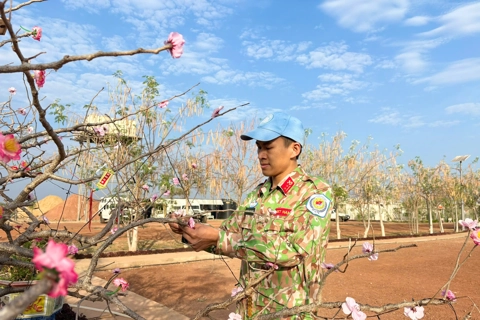
Under the dry winds and red dust of Abyei and Bentiu, mission compounds glow with paper blossoms and steaming banh chung, as each square rice cake carries from Vietnam to Africa a message of solidarity, compassion and enduring cultural identity.