A new vision for Hanoi’s Old Quarter: tourism, traffic and tradition
Hanoi's Old Quarter is evolving. As the city reinvents its historic heart, a series of transport upgrades and tourism reforms are reshaping the way visitors experience this iconic neighborhood.
The recent decision to ban 16-seater and larger buses from Hanoi's Old Quarter during peak hours is a major step towards alleviating congestion and enhancing the visitor experience. But it is only part of a larger, well-orchestrated strategy to transform the way people move through and engage with one of the capital's most historically and culturally significant districts.
The city has been actively pursuing several initiatives, from modernizing public transportation to improving tourism management and preserving heritage, all aimed at creating a more accessible, sustainable and enjoyable environment for locals and visitors.
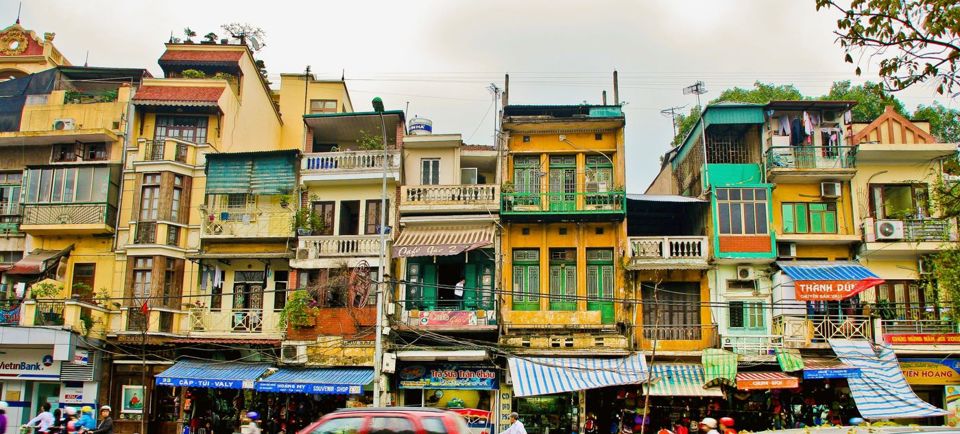
| Centuries-old houses in Hanoi's Old Quarter are still inhabited. Photo: Hoang Bao/ Kinh te & Do thi Newspaper |
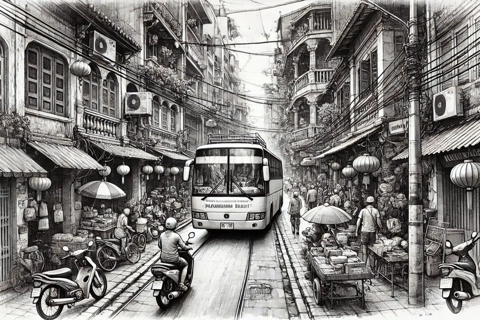
Hanoi's Old Quarter has long been a traffic jam. Its narrow streets are clogged with traffic, especially large tourist buses. This has led to heavy traffic that often disrupts local businesses and upsets neighbors. By reducing the number of cars in the Old Quarter and speeding up travel to and from the area, the new bus restriction is expected to address these inefficiencies.
Dao Thi Tho, a long-time resident of Hanoi’s Old Quarter, told VTV24 that large tourist buses frequently obstruct traffic and disrupt daily life. “It is difficult for us to move around, especially during peak hours when the streets are packed with visitors,” she said, emphasizing the inconvenience faced by locals.
Travis, an international tourist, shared similar concerns about the lack of organized drop-off points. “Without proper stops, buses parking randomly can be dangerous for both tourists and locals,” he said. He suggested that dropping visitors at designated stations outside the Old Quarter and having them walk to their destinations would not be an unreasonable adjustment.
Beyond the simple ban on large vehicles, the authorities have taken proactive steps to ensure that visitors continue to have convenient access to the Old Quarter. One of the most notable efforts currently underway is the construction of Metro Line 2 (Nam Thang Long - Tran Hung Dao), which will provide a direct link between Noi Bai International Airport and downtown Hanoi, making it easier for international visitors to reach the cultural heart of the city. Once operational, this metro line will drastically reduce the need for private transfers and large shuttle buses, allowing seamless travel from the airport directly to the historic district.
Hoan Kiem’s efforts to preserve its culinary heritage were thoroughly analyzed by Nguyen Duc Tang, Director of the Center for Research and Promotion of Cultural Heritage Values. Key components of the district’s heritage development project were introduced, including a digital map and a curated list of 55 notable culinary establishments, highlighting the commitment to safeguarding and promoting its rich gastronomic identity.
At the same time, Hanoi has expanded its electric bus network, introducing eco-friendly routes that connect the Old Quarter with surrounding districts. These clean energy buses not only support the city's green initiatives, but also provide an efficient alternative for travellers who want to explore the area without adding to traffic congestion. The introduction of designated transfer points on the periphery of the old town would make transport even more convenient. Visitors will park their vehicles or hop off intercity buses before boarding electric shuttles into the Old Quarter, a solution that would ease traffic flow and create a more pedestrian-friendly urban environment.
The effort to rethink traffic management does not stop at reducing the number of vehicles. To accommodate these changes, officials have redesigned key intersections and adjusted traffic patterns in and around the Old Quarter, installing new street signage while rerouting lanes and adjusting one-way systems to ensure smoother traffic flow. These changes aim to make it easier for smaller vehicles, bicycles and pedestrians to navigate the district, reinforcing a people-centered approach to urban mobility.
Alongside transportation infrastructure upgrades, Hanoi has also taken steps to improve the quality of tourism services and the visitor experience. Hoan Kiem District has launched hospitality training programs for local business owners, street vendors, and tour operators, focusing on customer service, professional behavior, and cultural etiquette.
These programs aim to create a more welcoming and polished tourist experience by addressing long-standing issues such as unregulated street vending, aggressive solicitation, and inconsistent service standards. Moreover, the district has enforced a code of conduct specific to the Old Quarter, ensuring that businesses adhere to a standardized set of rules regarding pricing, customer interactions, and public behavior.
From a business standpoint, Nguyen Van Hien, CEO of Asia Impression Travel, said to the VTV24 that his company is adjusting its operations to comply with the new regulations. “We will reorganize our logistics, coordinate with partners, and work closely with tourist attractions and hotels to ensure a smooth transition,” he said, acknowledging that adapting to these changes is necessary.
To modernize the way tourists experience Hanoi's heritage, the city has also introduced interactive and digital experiences, including heritage tours by electric vehicle and virtual reality exhibitions. These initiatives allow visitors to explore the district through immersive storytelling techniques, offering a fresh perspective on Hanoi's past while reducing the environmental impact of mass tourism.
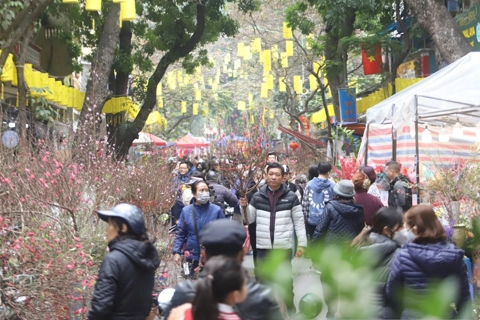
Pedestrianization is another aspect that has continued to expand. The weekend pedestrian streets around Hoan Kiem Lake, first introduced in 2016, have been a huge success, attracting both locals and tourists who enjoy the car-free environment. Building on this success, Hanoi has extended pedestrian zones further into the Old Quarter, providing more space for cultural performances, night markets, and community activities. The city continues to refine these areas, balancing commercial opportunities with the need to preserve the historic ambiance.
Cultural programming has also been strengthened to reinforce the Old Town's identity as a dynamic hub of tradition and creativity. The city has expanded the number of heritage festivals, art exhibitions, and community-driven cultural initiatives, ensuring that tourism growth comes from meaningful engagement rather than mere commercial exploitation. Events such as night-time cultural performances, folk art exhibitions and street food festivals are now an integral part of the district's tourism landscape, creating a distinctive atmosphere that sets Hanoi apart from other urban destinations.
As these projects progress, Hanoi's Old Quarter is steadily evolving into a more pedestrian-friendly, environmentally conscious, and culturally enriching destination. The changes already in motion signal a long-term commitment to ensuring that this treasured district remains not just a symbol of the past, but a vibrant, livable space that will continue to thrive into the future.
According to Le Anh Thu, Vice Chairman of the Hoan Kiem District People's Committee, the district is not only known for its Old Quarter architecture and historical sites but also for its rich intangible cultural heritage. Among these, its culinary heritage stands out for its diversity and refinement. Many traditional dishes have become an integral part of the city's identity, evoking deep nostalgia among generations of Hanoians, expatriates, and visitors alike.