Hanoi right to ban large tourist buses in Old Quarter
It's a drastic move to reduce congestion, improve air quality, and make strolling through Hanoi's Old Town more inviting.
Hanoi will ban tourist buses with more than 16 seats from entering the Old Quarter and Hoan Kiem Lake area during peak hours starting in March. The move is aimed at easing congestion, reducing pollution and enhancing the experience for both residents and tourists.
While some in the tourism industry worry about inconvenience, many businesses and locals support the ban, seeing it as a step toward sustainable and immersive travel in Hanoi's historic heart.
Could this be a turning point for tourism in the city? Let's find out in today's Words on the Street article in The Hanoi Times.
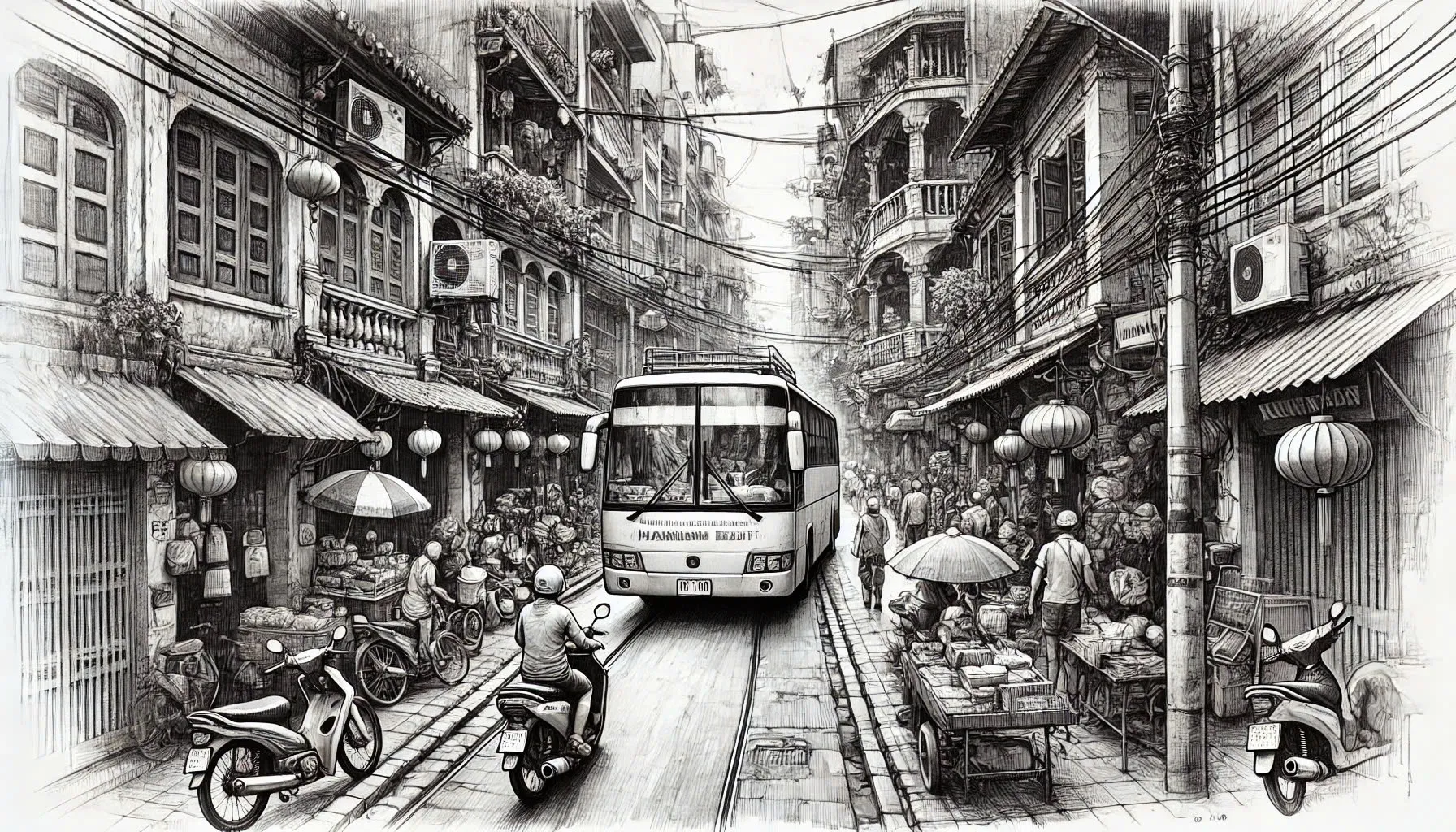
Starting in March, Hanoi will ban tourist buses over 16 seats from entering the Old Quarter and Hoan Kiem Lake area during peak hours: 6:30-8:30am and 4:30-6:30pm.
The decision, announced by Hanoi's Department of Transport, aims to reduce traffic congestion, cut carbon emissions and improve environmental quality in one of the city's most crowded and historically rich areas.
Why is this ban necessary?
Hanoi's Old Quarter is an iconic area covering 76 hectares, with narrow streets and alleys dating back over a thousand years. Despite its charm and historical significance, it has long struggled with overcrowding and traffic congestion.
The area is packed with small hotels, restaurants and businesses catering to tourists, and while it remains a must-visit destination, the presence of large tourist buses navigating these narrow streets has created a logistical nightmare for residents and visitors alike.
Most streets in the Old Quarter are only 5-6 meters wide, and some are even narrower. When a 16-seat bus stops to pick up or drop off passengers, it can completely block a street, causing long traffic jams. The situation gets worse when 45-seat buses try to enter the area.
In addition to congestion, many of the older buses emit thick, black smoke that worsens air pollution and is a nuisance to both tourists and local residents.
Locals and tourists applaud the move
Residents of the Old Quarter have pledged their support for the ban, saying it promises to restore some of the lost charm of their neighborhood.
The constant honking, traffic jams and air pollution have long been a source of frustration for people living in the area.
Many hotels, restaurants and tour operators have also given a positive response to the ban.
Most agree that while the change may require some initial adjustments, it will ultimately improve the visitor experience.
They recognize that the charm of the Old Quarter is best enjoyed on foot,
and that reducing bus traffic will make the area safer and more enjoyable for both tourists and locals.
To assist visitors, the city is considering electric shuttle buses to transport tourists from hotels and restaurants to designated pick-up points and vice versa.
An enhanced tourist experience: strolling through the Old Quarter
Some concerns have been raised, especially by those in the tourism and hospitality industry.
Some tour operators fear that the ban could make Hanoi less attractive to tourists, who will have to walk from their hotels and restaurants to designated pick-up points instead of being picked up directly.
Some believe that this extra step could be inconvenient for elderly tourists, families with young children or those carrying heavy luggage. They also argue that tour operators may have to adjust their schedules and logistics, resulting in increased costs for businesses.
But instead of seeing the new policy as a challenge, Hanoi could turn it into a new tourism experience.
Walking 5-10 minutes from a hotel or restaurant to a tour bus should not be seen as an inconvenience. Rather, it could become an opportunity for tourists to immerse themselves in the unique atmosphere of the Old Quarter before they even begin their planned excursions.
Tourists visiting Hoi An's Old Town, another UNESCO-recognized historic site, already embrace the idea of walking to experience the charm of an ancient city. Hanoi can promote the same concept in its own Old Quarter.
Hanoi could also use this opportunity to promote alternative modes of transportation. Many European and American tourists are accustomed to exploring cities on foot or by bicycle.
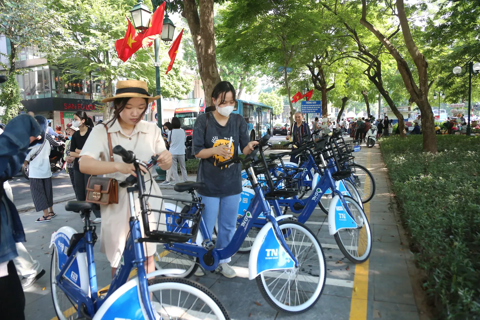
The city could introduce public bicycle rental stations to allow visitors to ride short distances within the Old Quarter. Guided walking tours could be developed to encourage tourists to experience the historic streets at a slower, more immersive pace.
This ban is not only about reducing congestion and pollution, but is part of a broader effort to preserve the character of the Old Quarter and create a more enjoyable experience for visitors.
Instead of seeing this as an obstacle, businesses and travelers should embrace the change and realize that it could be the beginning of a more sustainable and enriching era for tourism in Hanoi.
This could be a turning point that helps Hanoi position itself as a leading cultural tourism destination, offering visitors an authentic and unique way to explore its historic heart.