Adults should correct behaviors to prevent school violence
School violence and bullying are constant headaches for educators, teachers, and students in every school. What are the reasons behind bullies' actions, and how can their behaviors be corrected? Join us today on Words on the Street to explore this topic.
THE HANOI TIMES — "School violence will only end when adults stop resorting to violence themselves," Minister of Education and Training, Nguyen Kim Son, said at a recent National Assembly session.
His words struck a chord, not because they were shocking, but because they were true. Students do not learn violence from textbooks but from life, from what they see, hear, and endure in their daily environments. And very often, that begins with adults.
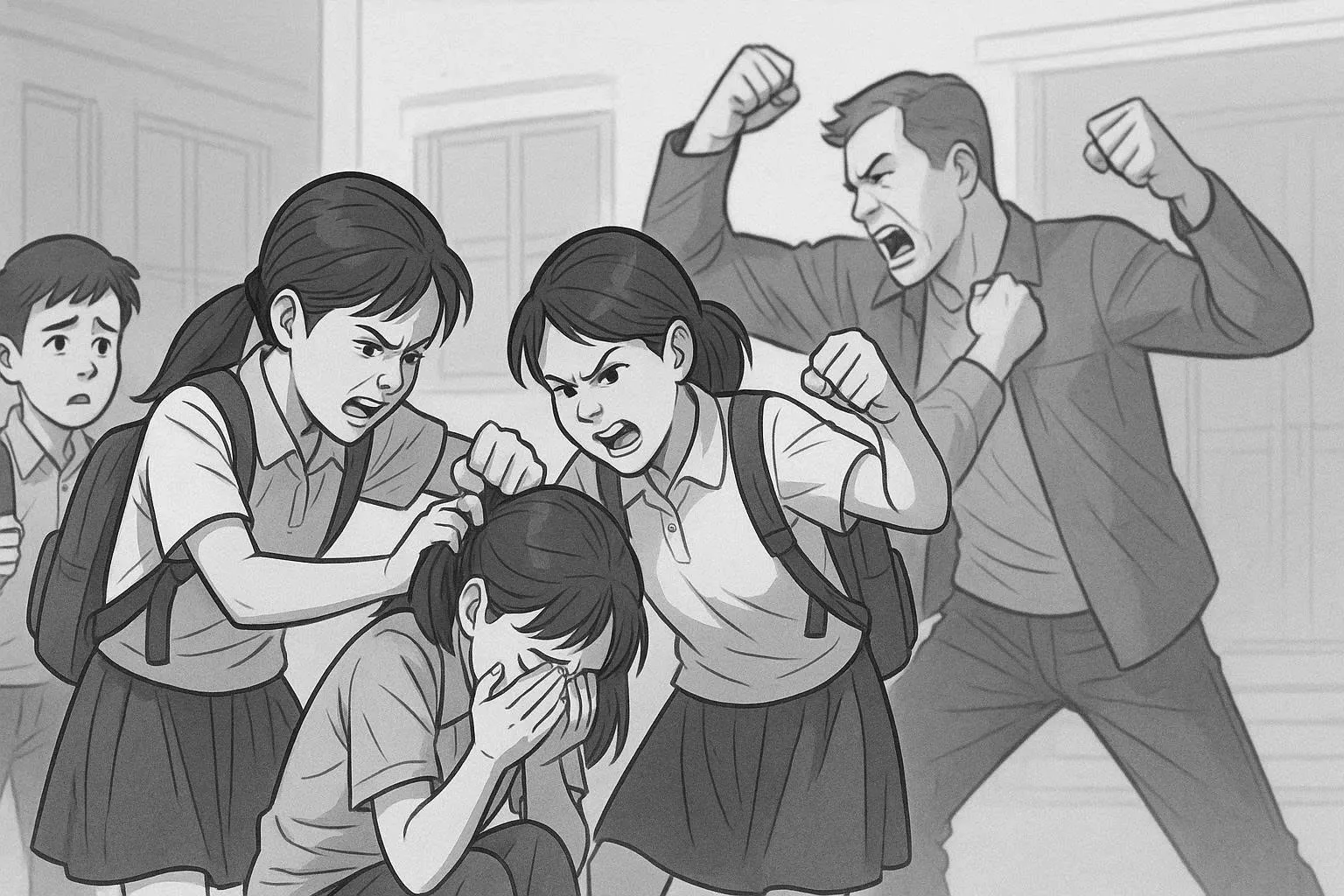
According to Minister Son, more than 70% of students involved in bullying or violent behavior at school come from families affected by domestic violence. Their lives and emotions are shaped by divorce, domestic abuse, emotional neglect, or total indifference.
Meanwhile, statistics by UNESCO showed that school bullying and violence have become deeply rooted global crises. Every month, one in three students worldwide is bullied at school. More than 36% of learners have been involved in physical fights, and almost one in three has experienced a physical attack at least once in the past year.
Furthermore, half of the world’s school-age children, those aged six to 17, still live in countries where corporal punishment in schools has not been fully prohibited.
In Vietnam, the headlines speak for themselves. In Hanoi, a female student was beaten so badly that she had to hide in the restroom to escape further attacks. A video of the incident was widely shared on social media, but the public was even more shocked by the school’s failure to intervene.
According to National Assembly delegates, some schools have intentionally avoided addressing school violence for fear that it would damage their reputation and lead to a loss of income. This kind of evasion sends a dangerous message: that maintaining a positive image is more important than ensuring the safety and dignity of students.
Even more troubling is the rise of female participation in school violence. According to UNESCO, around 60 million girls are sexually assaulted either at school or on the way to school every year.
Once primarily thought to be a male issue, school bullying now sees a growing number of girls not only involved in violent assaults, but also leading them. This trend reveals a deep erosion in how young people are taught to manage their emotions, resolve conflicts, and value empathy.
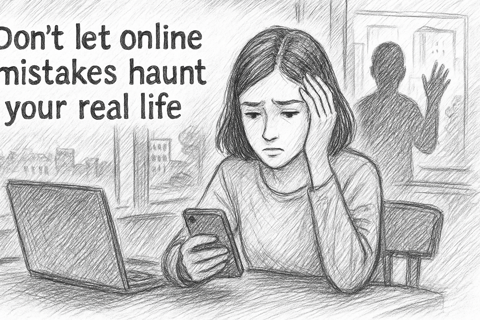
School violence is no longer just a real-life matter. According to UNESCO, cyberbullying is also on the rise, affecting as many as one in ten children.
So, what are the reasons behind all of this?
Many adults are quick to point fingers at schools or teachers, but they often overlook their role in the problem. Children who grow up in households where shouting, slapping, or emotional abuse is routine absorb those patterns and bring them to school.
In some neighborhoods, parents themselves behave like gang leaders, known for their tempers, threats, and physical intimidation. It’s no surprise, then, that their children aspire to become “bosses” in the classroom. Schools become a survival of the fittest where whoever is loudest, strongest, or most feared gains power.
This distorted perception is reinforced by modern entertainment, from music videos to dramas to social media, young people are constantly exposed to the glamorization of violence.
They see underworld "bosses" portrayed as righteous heroes who solve problems with their fists and take revenge in the name of justice. These exaggerated depictions plant dangerous fantasies in teenagers' minds. They begin to believe that dominance equals respect, violence equals strength, and bullying is a way to earn status.
Are there any proper solutions to this?
Some have advocated for harsh punishments, such as expelling or suspending violent students. However, this approach merely displaces the problem.
In reality, such action simply removes the child from school without addressing the root causes of their behavior. Expelled students often become more socially isolated and vulnerable to crime and exploitation.
Another suggestion is to extend the school day and require students to attend classes all day to keep them under supervision. While this might seem practical, it puts enormous pressure on overworked teachers and risks exhausting students even more. Without meaningful reform to the curriculum and teaching methods, this model becomes just another form of control, not a solution.
What’s needed is a shift in thinking. Addressing school violence requires more than rules and punishments. It demands systemic reform and a shared sense of accountability among schools, families, and the wider community.
Students who display violent behavior should not simply be punished. They should be required to participate in restorative programs that focus on behavioral recovery, empathy training, and community service.
Emotional education and conflict resolution should be part of the official curriculum instead of optional activities. Schools must have professional mental health counselors on staff, rather than relying on teachers to serve as guidance advisors.
Families must also transform. Parents cannot just demand obedience or academic results while ignoring their children’s emotional well-being. They must become role models in terms of behavior, communication, and conflict resolution. If a parent uses violence to discipline their child, that child will likely do the same to their classmates.
Finally, society must confront the toxic glorification of violence. Platforms that reward violent content with views and shares must be held accountable. Films and songs that glorify gang culture must be challenged. A culture that idolizes strength and silences kindness is a culture that breeds school violence.
This is not just the responsibility of educators or policymakers. It’s a mirror held up to society as a whole. If we want schools to be safe, caring, and respectful spaces, adults must first embody those values.
Minister Son is right about this. As long as adults continue to resort to violence, insults, and abuse, school bullying will persist. Children will continue to learn not what we teach them, but what we do.