An ecological, innovation-driven model key to Hanoi's sustainable urban agriculture, expert says
As urban expansion accelerates and farmland shrinks, Hanoi faces a defining challenge: move beyond volume-driven farming and reposition agriculture as an ecological, high-value sector closely linked to the capital’s vast consumer market and intellectual resources.
THE HANOI TIMES — Hanoi’s agricultural sector must undergo a profound transformation, one that differs markedly from approaches in predominantly rural localities.
Drawing on his scientific research and practical experience, Tran Dinh Long, Chairman of the Vietnam Seeds Association, told Hanoimoi Newspaper his insights into steering Hanoi’s agriculture toward a greener, more ecological and higher-value trajectory.
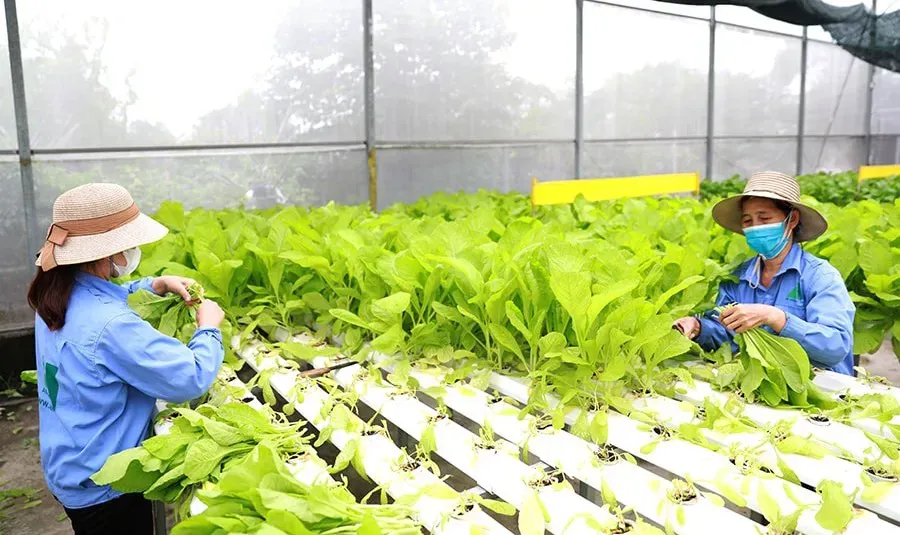
A vegetable farm in Gia Lam Commune, Hanoi. Photo: Nguyen Quang/The Hanoi Times
How do you assess the current role of Hanoi’s agriculture and compare it to other localities?
I have lived and worked in Hanoi for many years, in both teaching and scientific research, so I have a clear view of the capital’s agricultural strengths and constraints.
Hanoi has nearly nine million residents, with about 51% living in rural areas. Agriculture here therefore does more than supply food. It plays an important role in social welfare and livelihood stability.
Despite rapid urbanization, agriculture remains a key pillar that helps balance urban and rural development, economic growth and social stability. Hanoi cannot follow the same agricultural path as provinces dominated by farming. The capital must adopt a different and more suitable approach.
The most fundamental difference lies in land availability. Hanoi has limited farmland, while urban expansion remains inevitable. Transport infrastructure, housing and public facilities continue to reduce agricultural land.
Under these conditions, pursuing large-scale production by volume will make it extremely difficult to build strong agricultural brands.
Hanoi must therefore develop agriculture in a distinctive way, focusing on higher value, environmental sustainability and products closely linked to the urban market. If applied correctly, this approach offers significant opportunity.
What unique advantages does Hanoi have to develop this distinctive agricultural model?
Hanoi holds two major advantages. The first is biodiversity, with many rare and valuable indigenous plant and animal varieties.
In vegetables alone, Hanoi has 42 specialty varieties, including Sen Chieu “royal” water spinach, Lang basil and Dong Du mustard greens. The city also boasts unique fruits such as Dien pomelo, Huong Tich apricot and late-ripening longan.
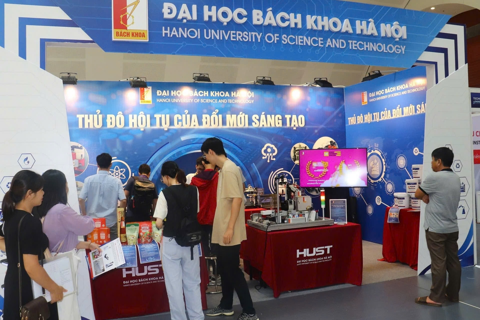
The second advantage lies in intellectual resources. Hanoi concentrates most of the country’s research institutes, universities, innovation centers and digital transformation hubs.
If used effectively, these assets can maximize local expertise while mobilizing intellectual contributions from central agencies and other provinces to support agricultural development. Hanoi needs to consistently pursue ecological, green and organic agriculture. This means prioritizing environmental protection, food safety and social welfare alongside production efficiency.
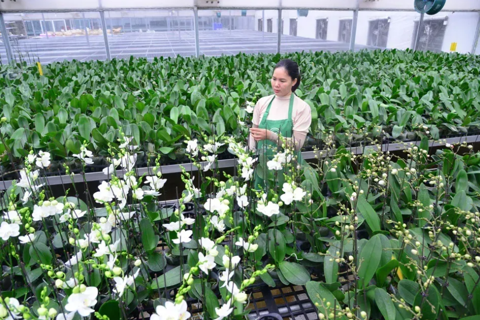
Once this direction is clear, detailed planning becomes essential. The city needs clearly defined zones for high-quality rice, fruit trees, safe vegetables, flowers and ornamental plants. Planning must align with ecological conditions and the specific strengths of each locality.
In my view, Hanoi should position itself as a national center for specialized seed production in both crops and livestock. This role should meet local demand while supplying other provinces nationwide.
Which production organization model would be most suitable for Hanoi?

Tran Dinh Long, Chairman of the Vietnam Seeds Association
Hanoi should avoid relying on a single model. The most effective approach combines farming households, cooperatives, farms and enterprises along an integrated value chain.
Individual farmers cannot manage every stage alone. When households link through cooperatives, receive guidance from enterprises and access processing facilities and stable markets, the value created rises significantly.
Seed quality remains decisive. Crop, livestock and aquaculture varieties determine productivity, quality and value. Some papaya varieties yield up to 60 kilograms per tree with high sugar content. Rice varieties such as ST25 have earned global recognition for taste.
High-quality rice exported to Europe can fetch prices of up to US$1,000 per ton, compared with $350–$400 for ordinary varieties.
However, superior seeds alone do not guarantee high value. Even the best varieties lose competitiveness if production fails to meet VietGAP standards, lacks safety, or generates high emissions. Safe and sustainable production therefore becomes critical, especially as Vietnam moves toward carbon credit–linked farming.
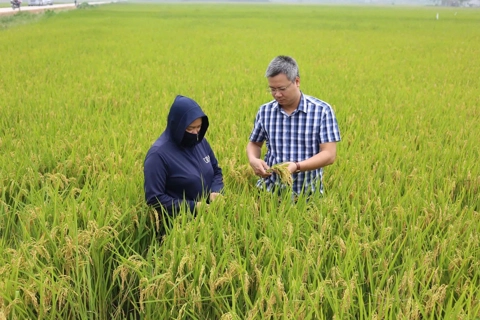
Rice cultivation illustrates this shift well. Farmers now flood fields only at key stages such as flowering or grain filling, while draining them at other times to save water. Organic fertilizers and crop rotation, such as two rice crops followed by winter soybeans, also help restore soil quality.
Soybeans offer strong potential. Hanoi once cultivated up to 30,000 hectares of winter soybeans. While raw soybeans bring modest returns, processed products can multiply value several times over. Exports to Halal markets could unlock even greater gains, as Vietnam currently holds only a small share of this market.
What needs to be done to turn this potential into reality?
In my view, a supportive policy framework from both central and city authorities remains essential. Priority should go to seed development, safe production, processing and branding.
Hanoi should leverage its specialty crops and livestock linked to the OCOP (One Commune One Product) program, especially five-star OCOP products aimed at export markets. Production must progress alongside deep processing to raise added value.
At the same time, the city needs to focus more on building its own agricultural brands, from rice to specialty vegetables and fruits. Stronger value-chain linkages remain crucial, connecting farmers, cooperatives, farms and enterprises.
No single actor can achieve this alone. Only close cooperation among all stakeholders can form concentrated production zones, improve processing efficiency and secure stable market access.
Thank you for your time!