Counterfeit goods hurts Vietnamese brands
Businesses are stepping up consumer awareness campaigns and promoting official sales channels.
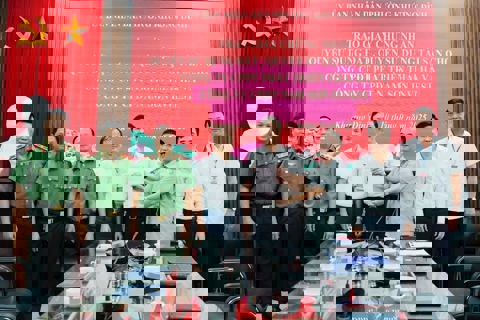
THE HANOI TIMES — The growing problem of counterfeit and low-quality goods is hurting Vietnamese businesses and eroding public trust in local brands, experts warned at a seminar in Hanoi on August 11.
Experts argued that counterfeit goods not only cause economic damage, but also weaken efforts to build Vietnamese brands. A major reason for their continued spread is consumers' appetite for cheap branded items, often ignoring the lack of invoices or origin checks.
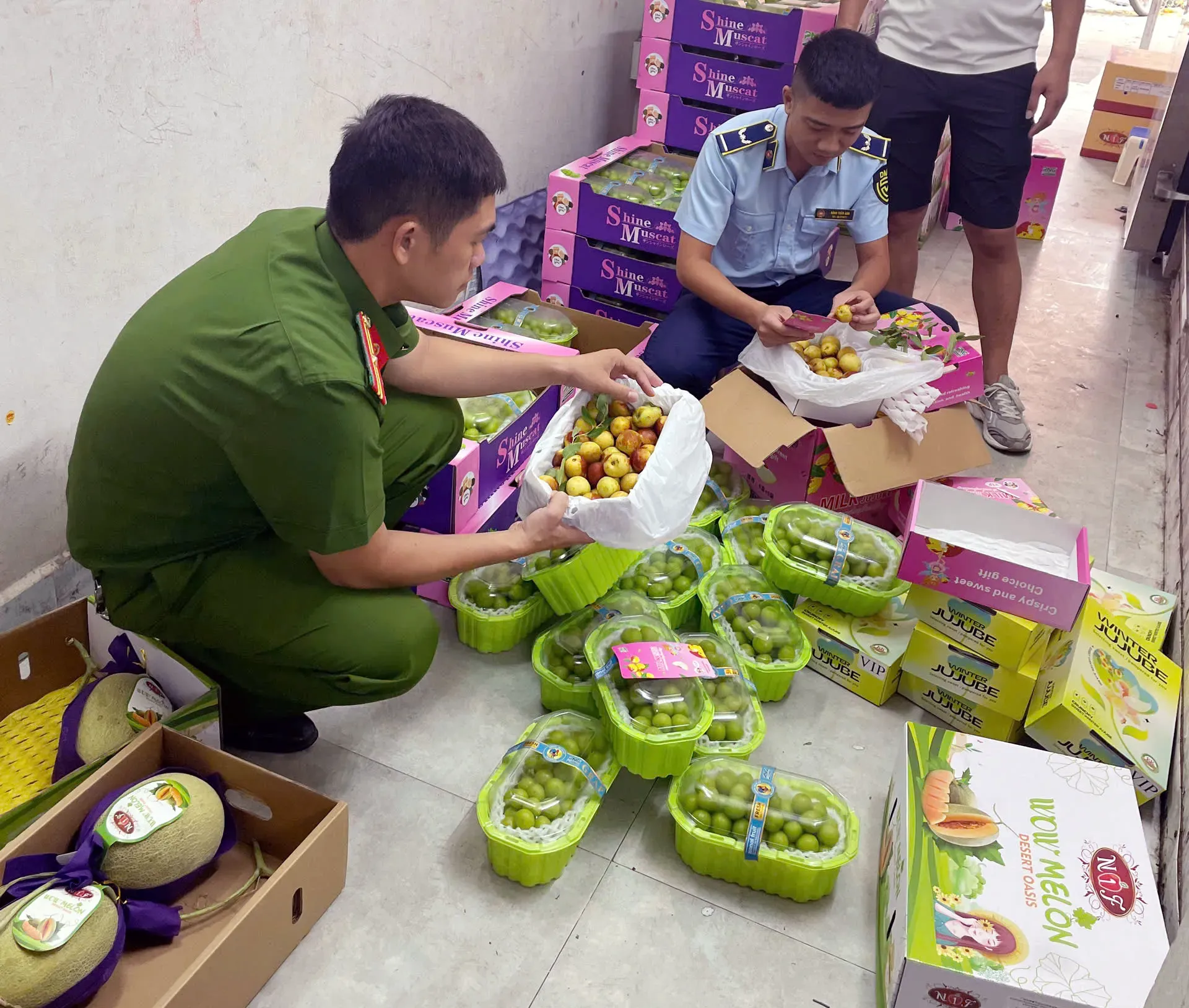
Hanoi's market surveillance inspects a fruit shop in Hong Ha Ward on August 7. Photo: Hoai Nam/The Hanoi Times
Experts noted that while traditional market violations can be addressed by local authorities, enforcement in online spaces remains challenging. To respond, businesses are stepping up consumer awareness campaigns and promoting official sales channels.
Trinh Quang Duc, Head of the Hanoi Market Surveillance Department, said that the agency discovered over 2,000 violation cases in the eight months of 2025, with nearly VND35 billion (US$1.33 million) in fines. A special inspection campaign uncovered 550 more violations, 10 of which were transferred for criminal investigations.
Duc noted that counterfeit operations are increasingly sophisticated. Criminals exploit major brand names to create fake online stores, tricking customers with low prices and subpar goods. Consumers should be cautious, check product information and avoid deals that appear too good to be true, while using official sales channels and staying informed to help protect a fair business environment.
Meanwhile, Hanoi’s authorities consider the campaign 'Vietnamese people prioritize Vietnamese goods' as a key political and socio-economic mission.
Pham Anh Tuan, Vice President of the Hanoi Fatherland Front Committee, said the city is ramping up public education and aiming to build responsible consumer habits.
"We must say no to counterfeits at every level, from government action to everyday consumer choices," said Tuan.