Cua Nam Ward - Hanoi’s hub of arts and cultural renewal
Cua Nam Ward emerges as Hanoi’s new center of culture, creativity and sustainable tourism, where heritage blends with innovation and community art thrives.
THE HANOI TIMES — Cua Nam Ward is transforming into a hub where tradition and innovation unite to promote the city's creativity and the arts.
Shaping a creative ward

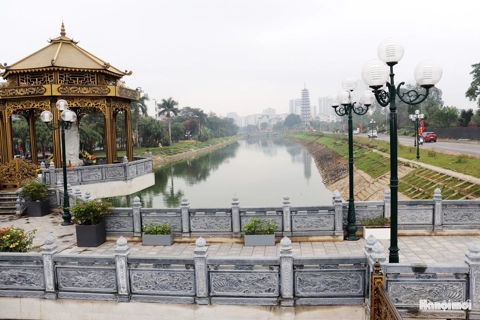
A picturesque stretch of Ly Thuong Kiet Street, Cua Nam Ward in autumn. Photo: Luong Hanh/ Chuyen Cua Ha Noi Group
Aiming to become a “creative ward” of Hanoi, Cua Nam has attracted attention from cultural experts at home and abroad.
At the conference “Developing Art in the Context of Globalization and Digital Transformation: International Experience and Lessons for Vietnam,” co-hosted by Cua Nam Ward and the Vietnam Institute of Culture, Arts, Sports and Tourism, experts highlighted the ward’s potential as a hub of artistic and cultural innovation in the capital.
Professor Noriaki Mita, Director of the Mita Gagaku Research Association, emphasized that preserving and promoting traditional culture in the modern era is a shared responsibility of both cultural authorities and the community.
“Community art is the lifeblood of a creative city, where people not only enjoy but also create cultural values,” she said, adding that a “creative ward” is not only an administrative unit, but also a dynamic and inclusive space, where communities take the lead in shaping and managing artistic and creative environments.
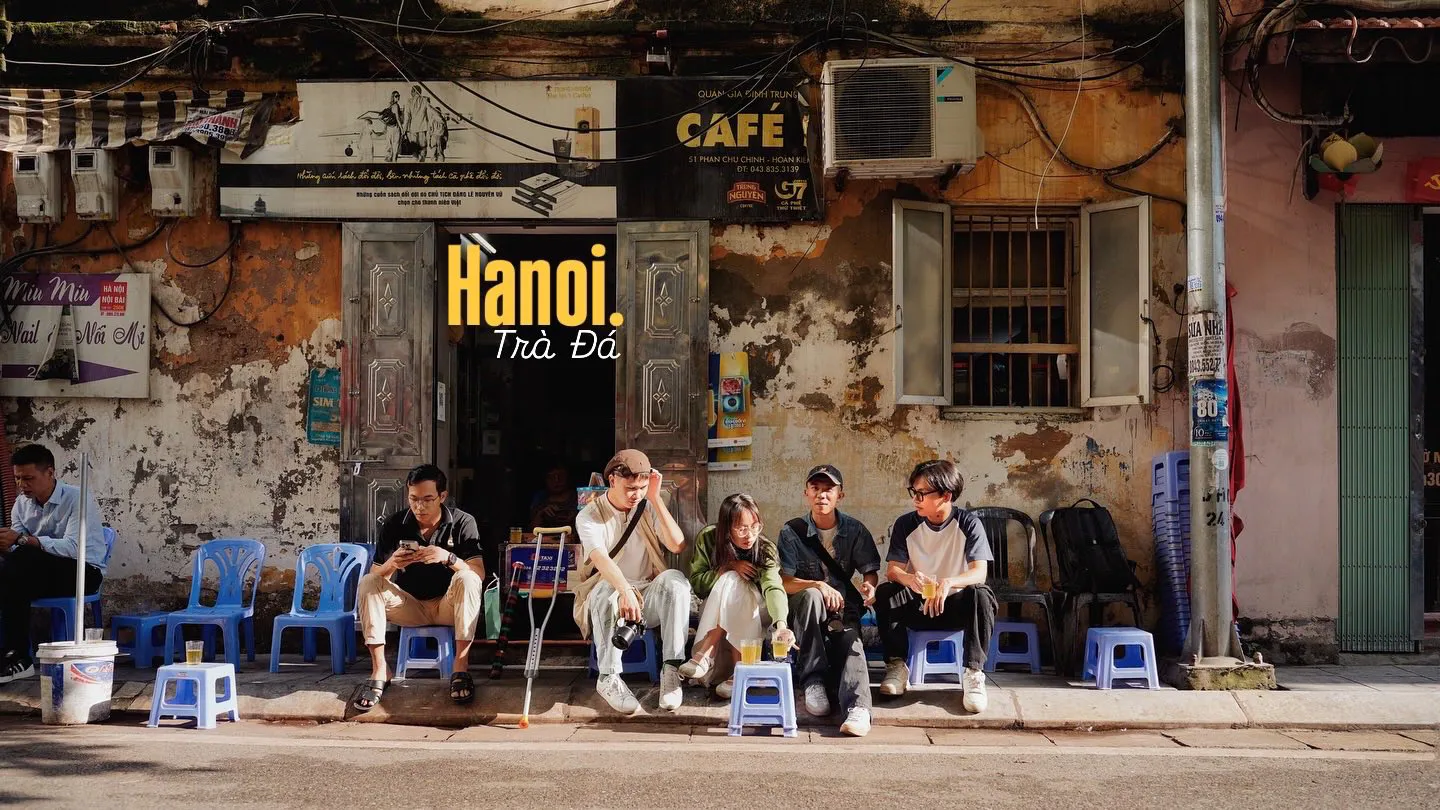
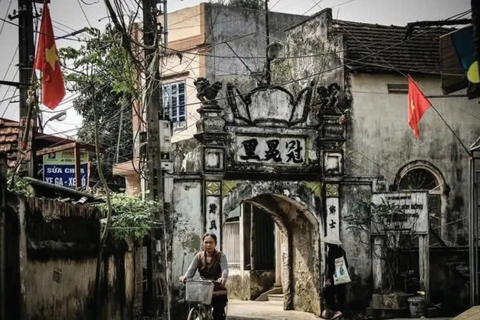
Life unfolds softly in Phan Chu Trinh Lane, Cua Nam Ward, Hanoi. Photo: Hoa Le/ Chuyen Cua Ha Noi Group
Mita said that heritage must be the foundation, both a cultural resource and creative material, while technology should connect, preserve and amplify cultural values.
The government plays a catalytic role by creating flexible mechanisms that enable artists, entrepreneurs and residents to grow together sustainably, she added.
According to Nguyen Thi Thu Phuong, Director of the Vietnam Institute of Culture, Arts, Sports and Tourism, Cua Nam has all the conditions to become a model creative ward in Hanoi.
She said that successful creative districts such as Koenji in Japan, Montmartre in France, and Talad Noi in Thailand could serve as references, and proposed developing the “Cua Nam Creative Ward” as a pilot model for the capital.

Hanoi’s legendary historical landmark, Hoa Lo Prison, located in Cua Nam Ward. Photo: Huu Huy
Her vision includes creating “community art highlights” such as art streets, public exhibition spaces and youth cultural programs that combine creativity, tourism and sustainable livelihoods.
"Though modern in approach, the model remains rooted in local cultural identity and reflects a forward-looking balance between preservation, creativity and global integration," said Phuong.
The conference concluded with a shared consensus among Vietnamese and international participants that the development of Vietnamese art in the digital age must be community-driven, guided by visionary local leadership and supported by modern technology.
Digital shift, cultural lift
Pham Tuan Long, Chairman of the Cua Nam Ward People’s Committee, said the ward embodies rich historical, spiritual, architectural and urban values. However, he acknowledged a lack of cohesion between heritage preservation and cultural promotion, noting that the ward has yet to fully harness its potential.
"To address this, it's needed to link heritage, art and tourism – three pillars that, when connected, can unlock the ward’s potential, attract visitors and boost local livelihoods," said Long.
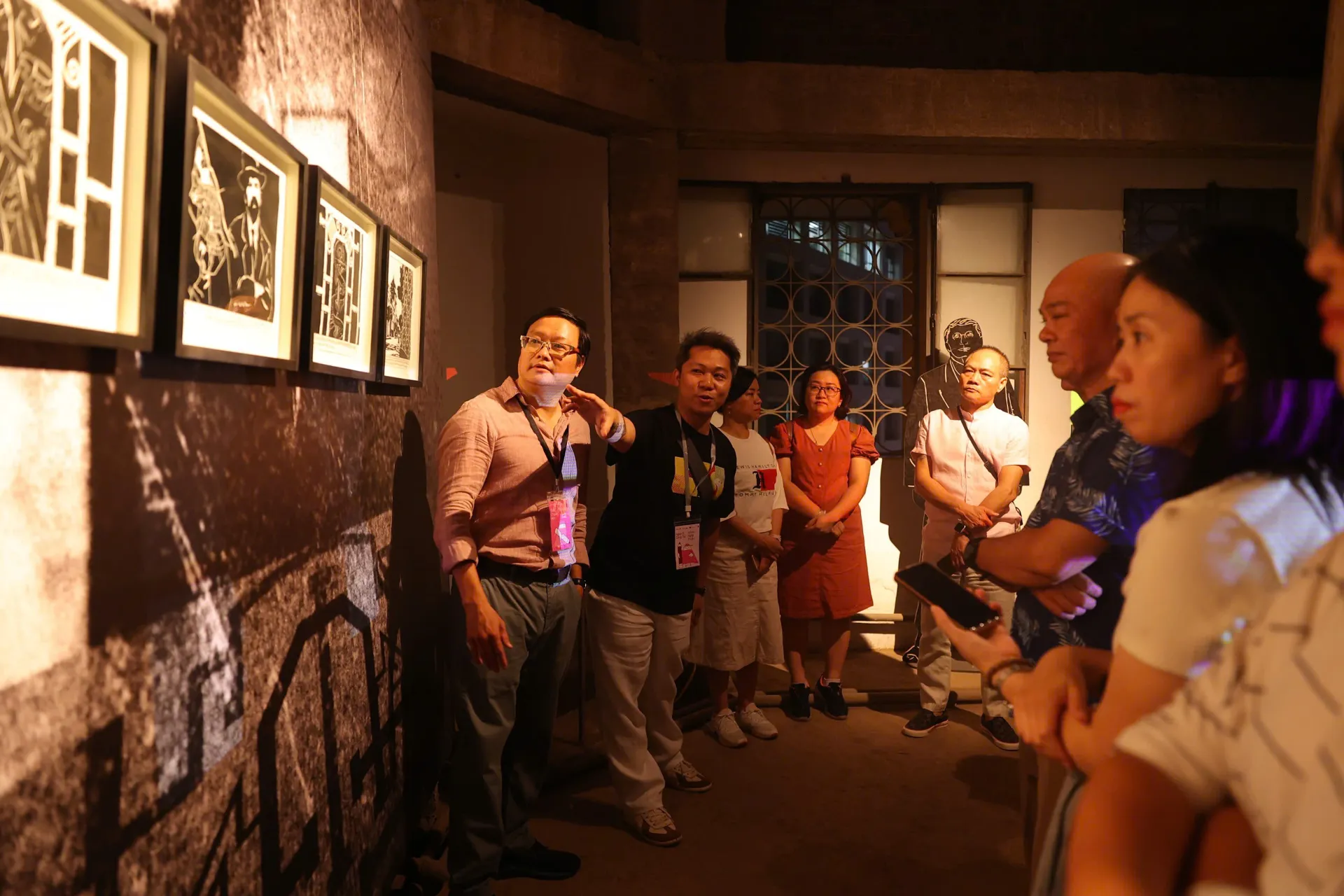
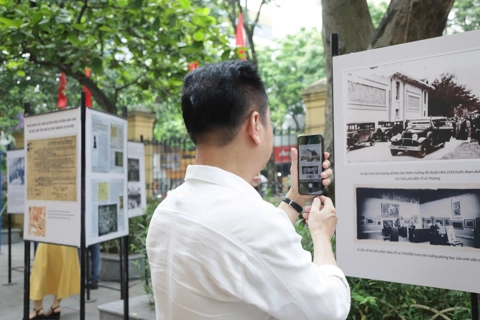
Visitors explore the Indochina Sense exhibition at the historic Vietnam National University (formerly Université Indochinoise) in Cua Nam Ward, as part of the Hanoi Festival of Creative Design 2024. Photo: Huy Pham/ The Hanoi Times
As part of the strategy, Long proposed expanding cultural exchange activities to help locals and visitors engage with history in dynamic ways. Contemporary art exhibitions and interactive workshops can allow people to “touch the past” through fresh and immersive experiences.
He also suggested establishing a creative space at the ward’s center that combines art, tourism, commerce and community engagement to create new cultural and economic value.
Long urged refining policies to promote public–private partnerships, encouraging investment in the arts and the development of quality cultural and tourism products. "Integrating digital technology would enhance cultural accessibility and participation, turning residents and visitors into co-creators of a renewed cultural identity for the ward."
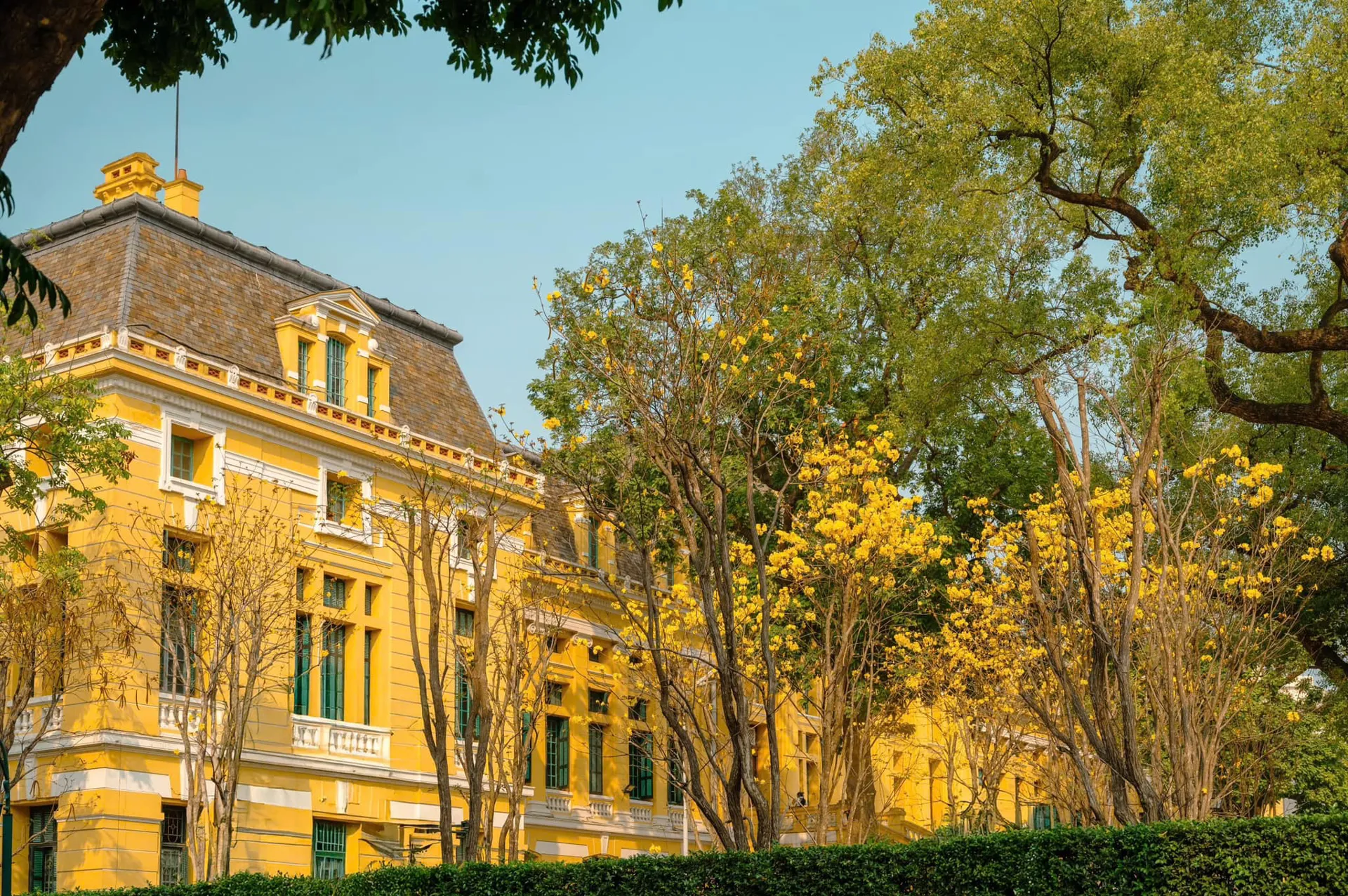
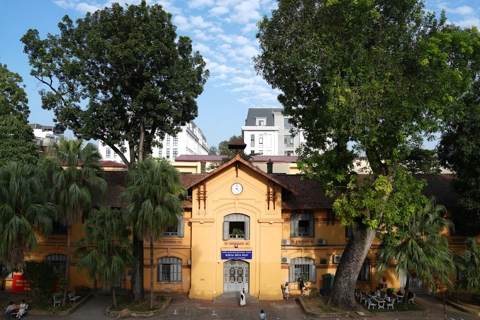
The building of Supreme Court is located at No. 48 Ly Thuong Kiet Street, Cua Nam Ward, Hanoi. Photo: Luong Hanh
According to Long, transforming heritage into tangible, interactive products both preserves the past and drives local socio-economic growth. “When heritage is wisely utilized, it nurtures community spirit and directly supports local prosperity."
With its rich cultural assets and historical depth, Cua Nam Ward serves as an ideal “cultural laboratory” to pilot creative models that combine heritage and technology, contributing to Hanoi’s vision of becoming a leading UNESCO Creative City in Southeast Asia.
|
Cua Nam Ward covers 1.68 square kilometers and is home to over 52,000 residents. It holds a pivotal role as one of Hanoi’s key political, administrative, cultural and historical centers. Rich in heritage, the ward is home to numerous iconic landmarks. Among them is Hoa Lo Prison, a powerful symbol of the indomitable spirit of Vietnamese revolutionary soldiers; the House No. 5D Ham Long Street, where the first Communist Party cell in Hanoi was formed; and House No. 90 Tho Nhuom Street, where Tran Phu - the first General Secretary of the Indochinese Communist Party - drafted the Political Platform of the Communist Party of Vietnam. The historic Dong Khanh School for Girls, now known as Trung Vuong Secondary School among many others, also stands within the ward. At its heart lies August Revolution Square, featuring the grand Hanoi Opera House - a landmark of both architectural splendor and cultural significance, serving as a venue for major events and artistic performances in the capital. Cua Nam Ward is also a spiritual and religious hub, with sacred sites such as Quan Su Pagoda - the headquarters of the Vietnam Buddhist Sangha, Ham Long Church and the Thien Quang Lake relic complex, all contributing to its serene and reflective atmosphere. Remarkably, the ward is home to around 400 French-era villas, accounting for one-third of Hanoi’s total. These include architectural gems like the historic building at No. 51 Tran Hung Dao Street, the Supreme Court (No. 48 Ly Thuong Kiet Street) and the French Resident Superior of Tonkin (12 Ngo Quyen Street). Together, these priceless cultural assets transform Cua Nam into a veritable “open-air museum” - a living tapestry of history, heritage and identity nestled in the heart of Hanoi. |