Vietnam expressed deep sorrow over his passing and will coordinate with the South Korean side on necessary arrangements.
THE HANOI TIMES — Vietnam on January 25 confirmed that former South Korean Prime Minister Lee Hae Chan had passed away while receiving medical treatment in Ho Chi Minh City.
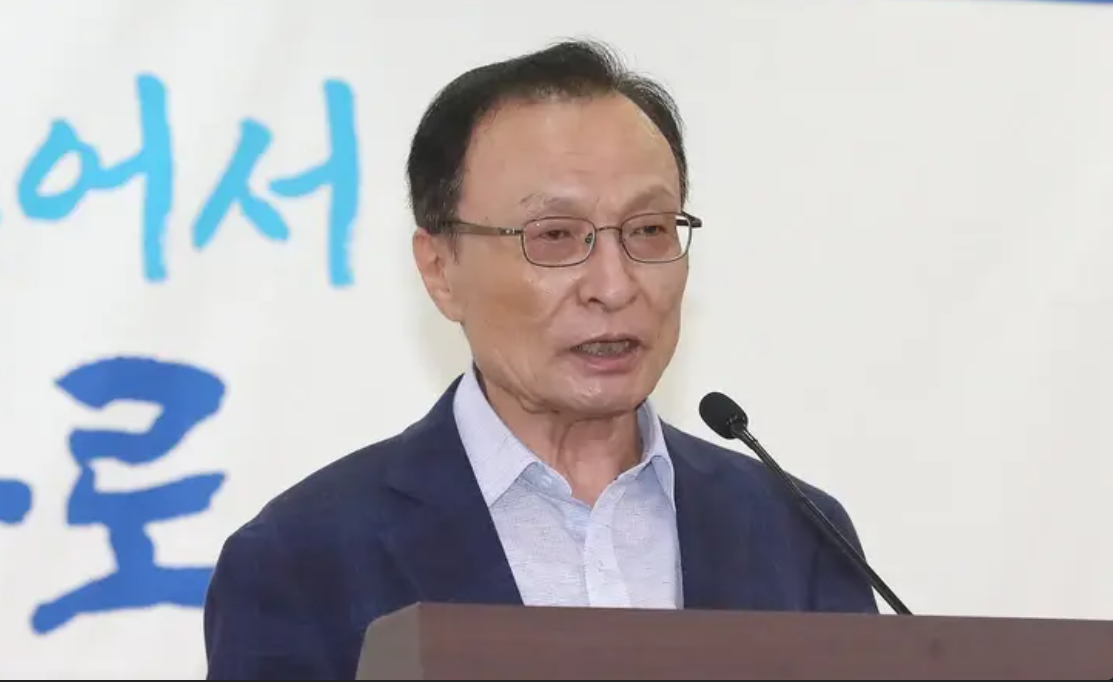
Former South Korean Prime Minister Lee Hae Chan dies in Ho Chi Minh City. Photo: Chosun
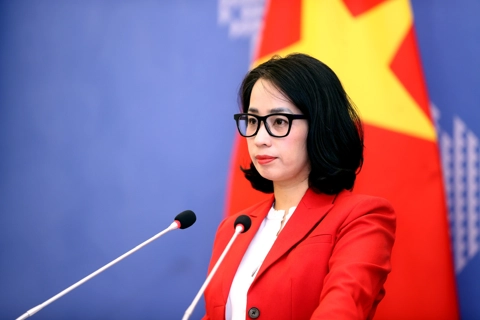
Speaking to reporters, Pham Thu Hang, the spokesperson of the Ministry of Foreign Affairs, said that over the past few days, the ministry had worked closely with the Ho Chi Minh City People’s Committee and relevant agencies to ensure the best possible medical care for former South Korean Prime Minister Lee Hae Chan.
"However, due to the severity of his illness, Mr. Lee Hae Chan has passed away," said Hang.
Prime Minister Pham Minh Chinh and other Vietnamese leaders have sent condolences to the South Korean government and Mr. Lee Hae Chan’s family.
The spokesperson said Vietnam was deeply saddened by his death and would continue coordinating with the South Korean side on necessary arrangements in accordance with diplomatic practice.
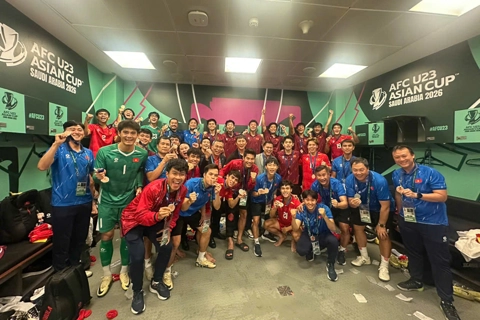
Vietnam U23 overcame injuries, suspensions and fatigue to defeat South Korea U23 in a penalty shootout, securing third place at the 2026 AFC U23 Asian Cup and drawing praise across the region.
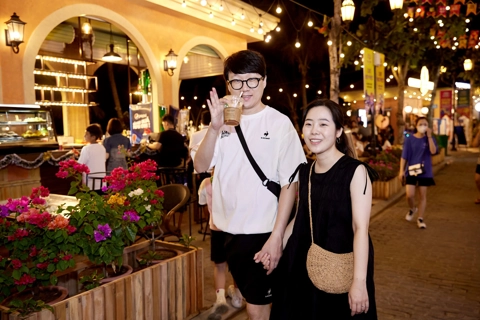
As the Lunar New Year holiday of 2026 approaches, Korean media have observed a clear shift in outbound travel preferences among Korean travelers. Instead of distant metropolises or overly crowded destinations, many are now opting for journeys that are “far enough to feel a seasonal change, yet convenient enough to start the new year in a calm and positive way”, with Phu Quoc rising as a leading choice.
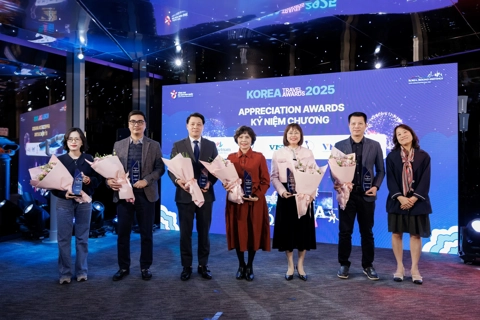
International recognition at the Korea Tourism Awards has highlighted Hanoi’s growing influence in regional travel markets and reinforced strong tourism ties between Vietnam and South Korea.
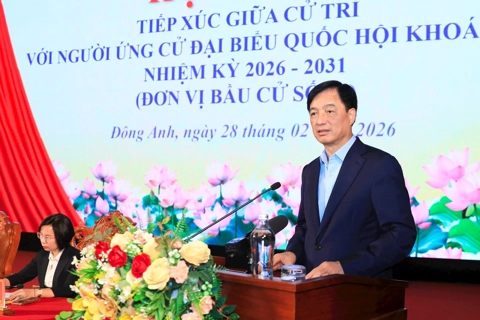
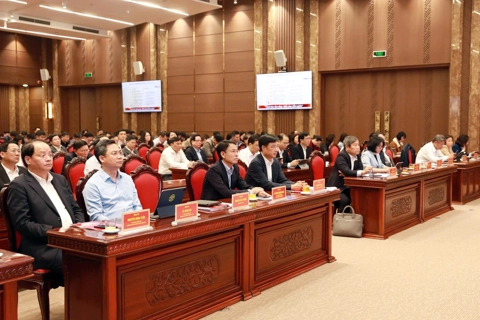
The candidates pledge institutional reform, infrastructure upgrades and a stronger focus on science, technology and public services as the capital prepares for the 16th National Assembly term.
As climate risks intensify across Southeast Asia, young people are being called upon to move from awareness to action, harnessing technology, creativity and policy engagement to accelerate environmental solutions.
The three resolutions on education, healthcare reform and cultural development are closely interconnected and mutually reinforcing, all directed toward building a capital that is cultured, civilized, modern and happy.
Developing the state economy and Vietnamese culture forms the twin pillars of a unified development strategy, one strengthening material capacity, the other reinforcing cultural and social resilience.
A central message of the 14th National Party Congress and the 18th Congress of the Hanoi Party Organization (2025-2030) is that people’s happiness must be at the core of development. All policies be grounded in citizens’ legitimate rights and interests, with public satisfaction serving as the ultimate measure of success.
Vietnam has reaffirmed its strong commitment to meeting international standards on tax transparency and information exchange following the European Union's adding Vietnam to its list of non-cooperative tax jurisdictions.
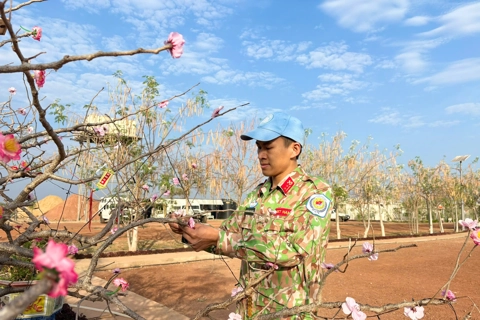
Under the dry winds and red dust of Abyei and Bentiu, mission compounds glow with paper blossoms and steaming banh chung, as each square rice cake carries from Vietnam to Africa a message of solidarity, compassion and enduring cultural identity.