Hanoi ensures clean water for locals during hot season
The average national water demand, including Hanoi in 2024, is projected to increase by 3.6%, with a summer rise of 6.5% compared to the 2023 average.
The Hanoi People’s Committee has released a water supply plan to ensure citizens' needs are met during the hot season.
| Workers at the Yen Phu Water Plant. Photo: Pham Hung/The Hanoi Times |
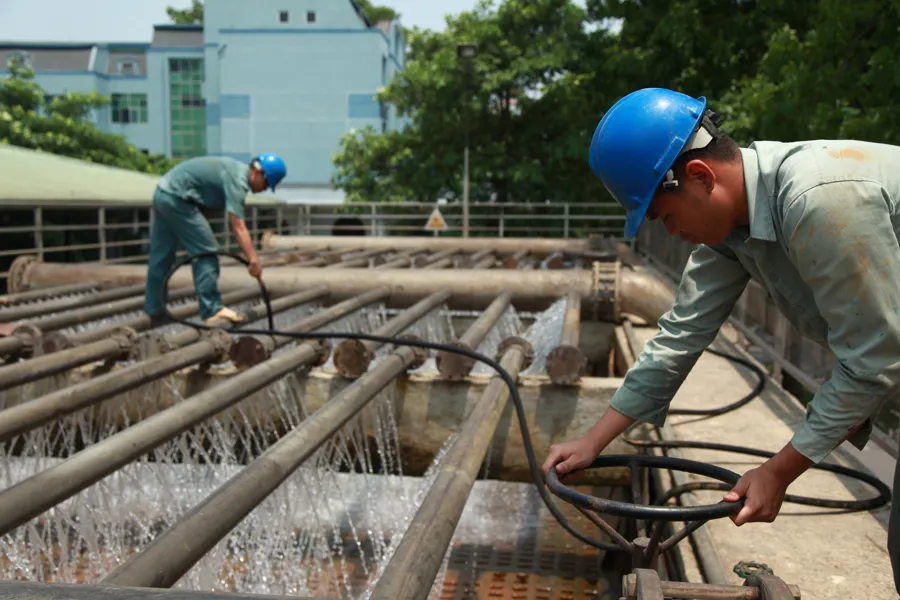
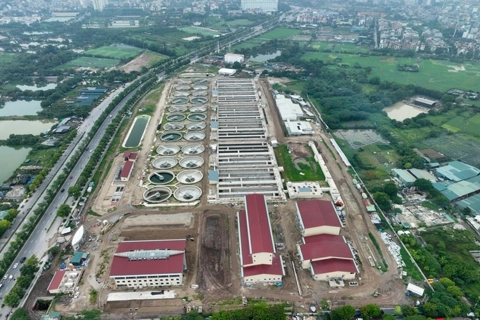
To ensure a stable, safe, and responsive clean water supply, the Hanoi People’s Committee has mandated the maintenance and maximum operational capacity of water treatment plants and pumping stations. This is to meet the maximum possible water demand of 100% of households in the urban areas and certain areas of the districts covered by the city's centralized water supply system, while maintaining its maximum flow and pressure, with water quality meeting national technical standards set by the Ministry of Health.
The People’s Committee has also directed the allocation and regulation of water sources to ensure a balance between supply and demand, as well as the accessibility to water sources in each area.
Priority will be given to areas with only one water source to prevent prolonged water shortages affecting residents' daily lives. Additionally, existing water distribution stations will be upgraded to maximize the water supply to the system, according to the plan.
Efforts will also continue to be made to invest in upgrading the water supply network, reducing clean water losses, and implementing 4.0 technology for customer management. This includes maintaining and operating local booster pump stations, and rational operation of the water supply network, combined with public awareness campaigns to promote water conservation and prioritize water usage for drinking and cooking.
The focus will be on overcoming difficulties and mobilizing all resources to complete projects on schedule, particularly those aimed at extending clean water supply to rural areas.
Moreover, there will be increased monitoring of the quality of water sources and treated water, using updated data from the Department of Natural Resources and Environment's Water Quality Monitoring Center to manage, regulate, and supervise the clean water supply system. Regulation of water supply between centralized water treatment plants will be conducted in case of emergencies or increased demand to ensure safe water supply.
According to forecasts by the National Meteorological and Hydrological Forecasting Center, the summer heatwave in 2024 is expected to be particularly severe (with temperatures averaging 1-1.5 degrees Celsius higher than previous years). The national average water demand, including Hanoi, is projected to increase by approximately 3.6% in 2024 compared to 2023, with a summer increase of over 6.5% compared to the 2023 average.
During peak periods of the summer heatwave, water demand is expected to significantly increase (by about 5-10%) compared to average demand, leading to localized water shortages in areas at the end of the supply chain, in high-altitude areas, and areas with only one water source available.