Hanoi identifies three growth axes in upcoming planning
Hanoi should position itself as a modern, civilized, and cultured city during the upcoming planning.
Hanoi has identified three key growth axes for the future, including the Red River as a green axis; the West Lake – Ba Vi axis serving as a connection between the central urban districts and surrounding satellite towns; and the Nhat Tan – Noi Bai as a smart urban axis.
| Overview of the meeting. Photo: Thanh Hai/The Hanoi Times |
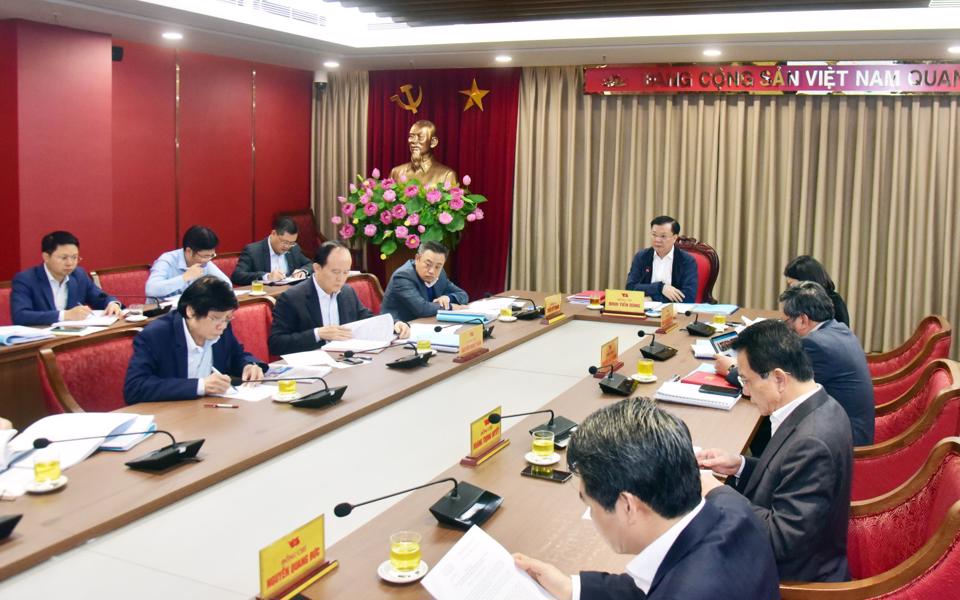
Vice Chairman of the Hanoi People's Committee Ha Minh Hai reported at a meeting on drafting the capital's master plan for the 2021-2030 period, with a vision to 2050, and adjusting the overall construction plan to 2030, with a vision to 2050.
Referring to the capital's planning for 2021-2030, with an eye toward 2050, Hai said planning should ensure harmonious, rational and culturally differentiated urban development, consistent with the character of the city's millennial history.
In addition, he expected the planning to create an expansive, green, modern, and smart urban environment while preserving the unique cultural identity of the Northern countryside.
“Along with two affiliated cities and three spatial areas of underground-, green-, and public spaces, Hanoi would prioritize three significant development axes,” Ha said.
As such, the Red River would be transformed into a green axis; there will be West Lake - Ba Vi axis to connect the central urban districts with the surrounding satellite towns; and the Nhat Tan - Noi Bai to become a smart urban axis.
Given the enormous workload, Hanoi People's Committee Vice President Duong Duc Tuan said the city intends to submit the draft planning to the government in August before it is reviewed by the Politburo and the National Assembly in October.
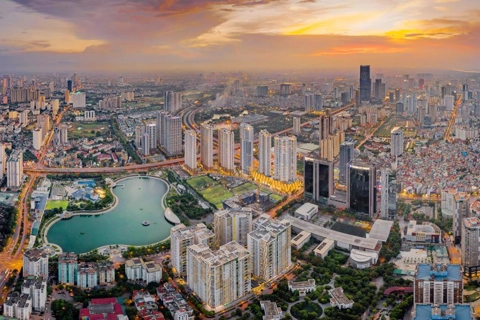
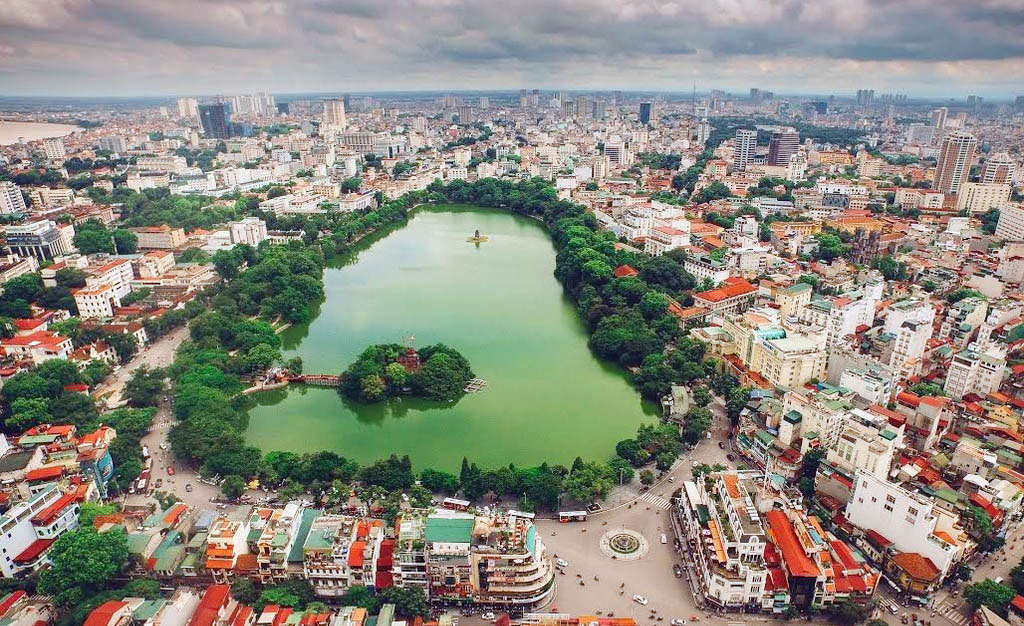
| Hanoi from above. Photo: The Hanoi Times |
Quality is key priority for planning
During the meeting, the experts stressed that the completion of these plans is a national priority and crucial for the city to deserve to be the heart of the country.
It is also essential for Hanoi to spearhead the country’s efforts in international integration and competition.
Former Director of the Vietnam Institute of Economics Tran Dinh Thien urged the city to ensure the planning’s quality, efficiency, and feasibility.
“Hanoi needs to define its strategic vision clearly and identify its potential and advantages in the global context. This approach will enable the city to attract the necessary resources for construction,” Thien said.
To realize these ambitious plans, Hanoi needs a mechanism that is innovative and opens up new opportunities for development, he continued.
Architect Tran Ngoc Chinh, Chairman of the Vietnam Urban Development Planning Association, expressed his support for Hanoi to identify the three significant development axes and outline them in the capital's planning for the period 2021-2030.
He emphasized that the Red River axis should be the priority as it will serve as a crucial axis for capital development, followed by the Ba Vi - West Lake axis, which will become a cultural axis that highlights Hanoi's distinctive character.
Additionally, the city needs to address its pressing issues, such as waste management, sewage treatment, environmental pollution, and cemetery management as part of the planning.
“These critical matters need to be thoroughly resolved to achieve a cultured, modern, and civilized city,” Chinh added.
Giving his view on the matter, Secretary of the Hanoi Party Committee Dinh Tien Dung noted the two plans will shape Hanoi's future development path and landscape.
“Despite the urgent timeline, quality should be prioritized over speed, and the construction process must be controlled to ensure practical feasibility,” Dung said.
Dung stressed the importance of positioning Hanoi as a modern, civilized, and cultured city during the upcoming planning, a view that has been shared in Politburo's resolution on the development of Hanoi until 2030, with a vision to 2045.
“The planning should create new resources and growth poles, including the development of two affiliated cities, to facilitate the capital's continued growth and prosperity,” Dung stated.
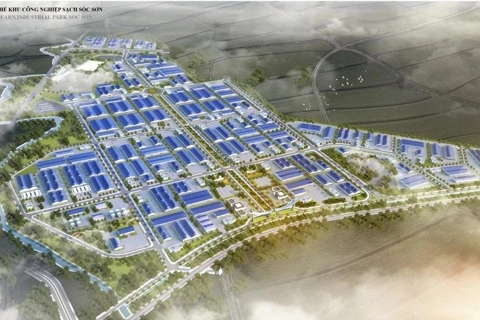
Regarding the development of the two affiliated cities, the northern city, comprising of districts of Dong Anh, Me Linh, and Soc Son, will be developed as service-oriented, with a focus on smart and ancillary industries such as logistics, serving the production chains of nearby provinces like Bac Giang, Bac Ninh, and Vinh Phuc.
Meanwhile, the western city, which includes Hoa Lac and Xuan Mai, will focus on high-tech industries. Dung noted the recent handover of the management of Hoa Lac Hi-tech park to Hanoi in the first quarter of this year is a significant step in this direction.
“The city has also started construction on an expressway from Ha Dong to Xuan Mai and needs to start the construction of an elevated railway in this area,” he said. Additionally, there is a need to renovate National Highway 21, which runs from Son Tay to Xuan Mai, to facilitate the development of the surrounding areas.