Hanoi leverages green culture to meet global sustainability goals
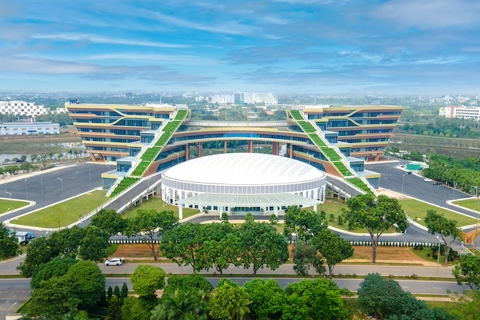
Green culture, seen as a way of life, a mindset and shared social norms rooted in collective responsibility, is set to provide the foundation for Hanoi’s transformation into a green and modern city.
THE HANOI TIMES — Green culture has emerged as a strategic driver for Hanoi to enhance economic competitiveness, achieve sustainable growth and integrate into the global economy.
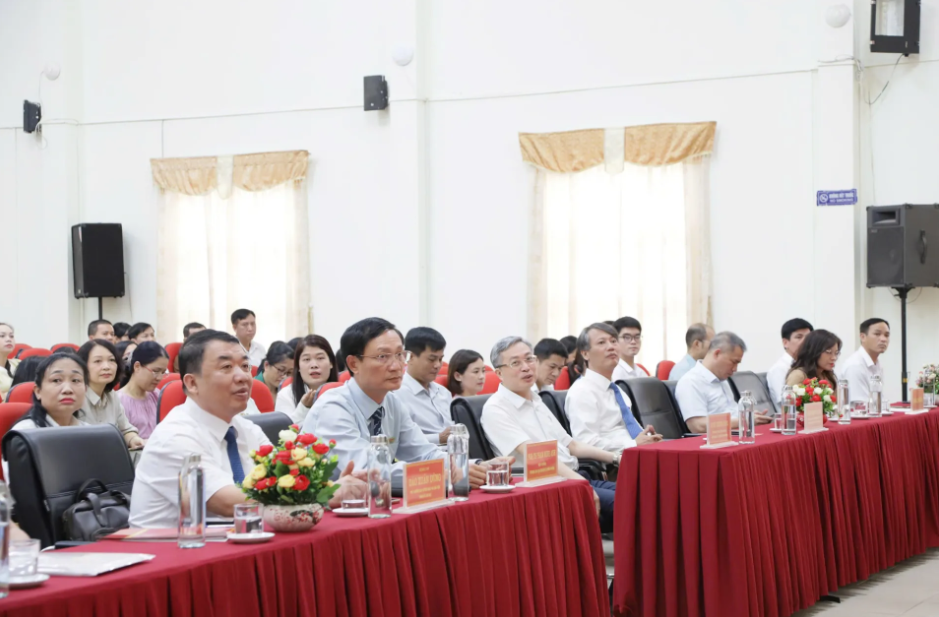
Delegates at the scientific conference. Photos: Duc Tho/The Hanoi Times
Dr. Nguyen Thi Kim Chi, a lecturer at Le Hong Phong Cadre Training School, emphasized this point at the scientific conference on “Building a Culture of Environmental Protection in Hanoi Today,” held today [September 19].
“Green culture sets a long-term strategic direction aligned with the national target of net-zero emissions by 2050,” she said.
Dao Xuan Dung, Deputy Head of the Commission for Information, Education, and Mass Mobilization of the municipal Party Committee, stressed that Hanoi, as the capital and the nation’s heart, is at a turning point to achieve rapid and sustainable growth.
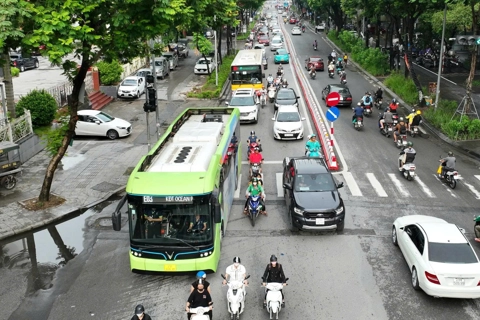
Yet the city faces mounting challenges: population pressure, traffic congestion, air pollution, climate change, and the strain of preserving cultural heritage while modernizing.
“A comprehensive approach, therefore, is required that combines Hanoi’s cultural traditions with innovation to keep pace with global development trends,” said Dung.
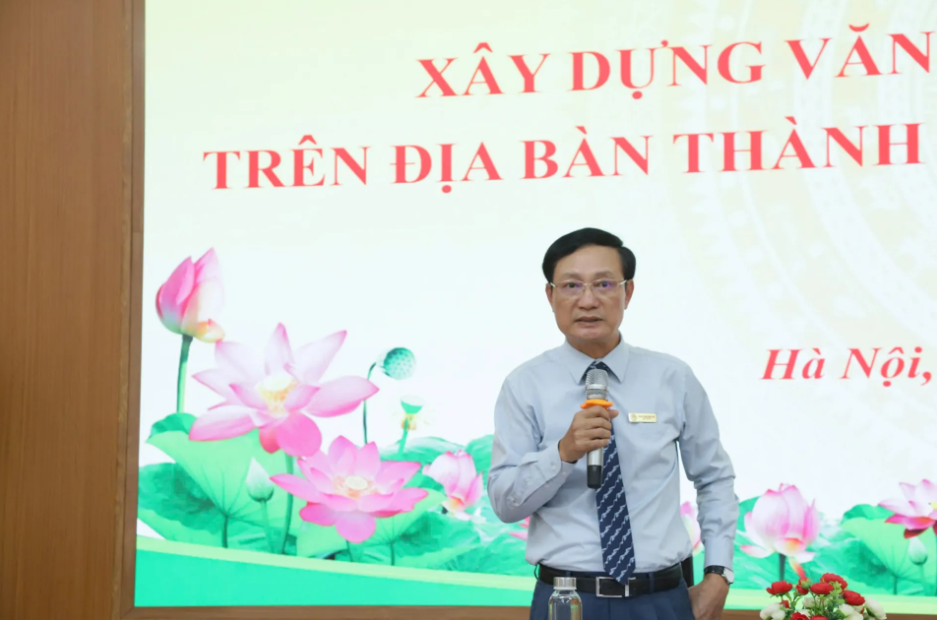
Director of Le Hong Phong Cadre Training School Pham Minh Anh.
From awareness to action
Dr. Dinh Thi Quy of the Vietnam Academy of Social Sciences noted that environmental protection has been a consistent policy of the Party since the early years of renewal in 1986.
“Today, environmental responsibility has become a cultural value and a criterion of sustainable development, requiring the participation of the entire society,” she said.
Echoing this view, Associate Professor Dr. Pham Minh Anh, Director of Le Hong Phong Cadre Training School, underscored that environmental culture is more than cleanliness or energy saving.
“It is a way of life and a shared responsibility across generations. This foundation will help Hanoi become a city that is Bright, Green, Clean and Beautiful,” said Anh.
Anh highlighted how other countries have embedded environmental protection into daily culture. In Japan, green awareness is reflected in habits of saving and waste sorting.
Meanwhile, in South Korea, recycling and clean energy use are strongly socialized; in the Nordic countries, environmental protection is treated as a way of life, codified into law.
“For Vietnam, the key challenge is turning awareness into voluntary action. Solutions must be comprehensive, from improving laws and education to expanding green community models, supporting clean technology, and fostering broad social movements,” said Anh.
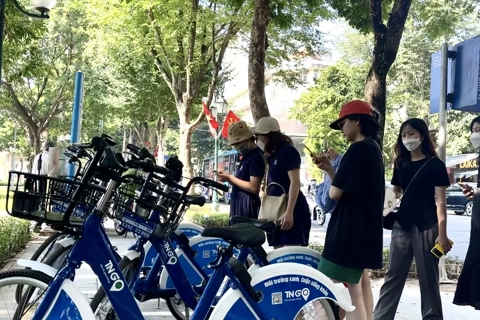
Hanoi itself has made progress by planting more than 1.6 million new trees, rolling out waste sorting at source, and promoting education campaigns in schools and communities.
Initiatives such as “Green Sundays” and “Plastic-Free Neighborhoods” have helped raise awareness.
However, experts warned that eco-friendly behavior remains uneven, waste treatment technology lags behind demand, and rapid urbanization continues to intensify environmental pressures.
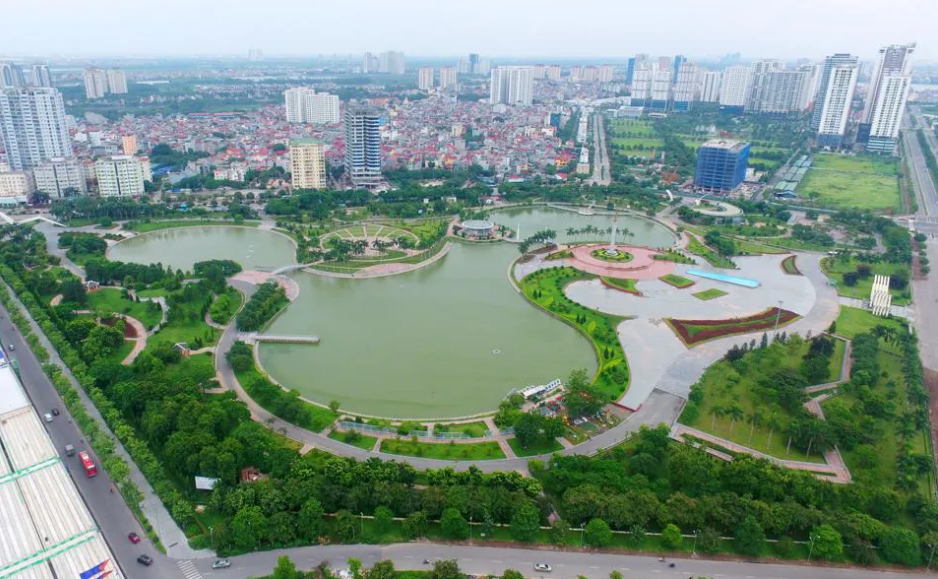
Hoa Binh Park. Photo: Pham Hung/The Hanoi Times
Toward a green and digital future
Associate Professor Dr. Nguyen Hai Thanh of the Ho Chi Minh National Academy of Politics noted that Hanoi is entering a distinctive stage of environmental cultural governance, blending its thousand-year heritage with modern technology.
Experiences from regional cities like Singapore and Bangkok show that effective governance depends not only on technical tools but also on cultural norms, community participation, and digital solutions, said Thanh.
Hanoi has already launched major projects, including the Soc Son and Seraphin waste-to-energy plants, three-category waste sorting from January 2025, and the iHanoi app to collect community feedback.
"Challenges remain in air quality, consumer habits and disparities between the urban core and suburban areas," said Thanh.
Highlighting West Lake’s ecological and cultural value, Associate Professor Dr. Tran Kim Chung, Scientific Secretary of the Central Theoretical Council, warned against short-term economic exploitation that could damage Hanoi’s long-term development advantages.
“By integrating cultural heritage with green technology and modern planning, West Lake could become a model of sustainable urban tourism,” said Chung.
In his closing remarks, Associate Professor Dr. Hoang Van Hoan, Deputy Director of the Department of Political Schools under the Ho Chi Minh National Academy of Politics, affirmed that building a culture of environmental protection is both a political responsibility and a cultural-spiritual foundation tied to people’s lifestyles.
“Science and technology will remain key tools for environmental management, and the outcomes of the conference will help shape policies that move Hanoi toward becoming a green, civilized, and modern capital,” said Hoan.
By linking environmental culture with daily habits, community participation and technological innovation, experts at the conference agreed that Hanoi has the opportunity to turn its thousand-year-old heritage into a foundation for a green future, positioning the capital as a model of sustainable urban development in Vietnam and the region.