Hanoi plans large-scale testing and inspection hubs
Such an inspection and testing center will be regional in scale and meet international standards.
THE HANOI TIMES — Hanoi will develop large modern testing and inspection centers to strengthen food safety, market oversight and public health management.
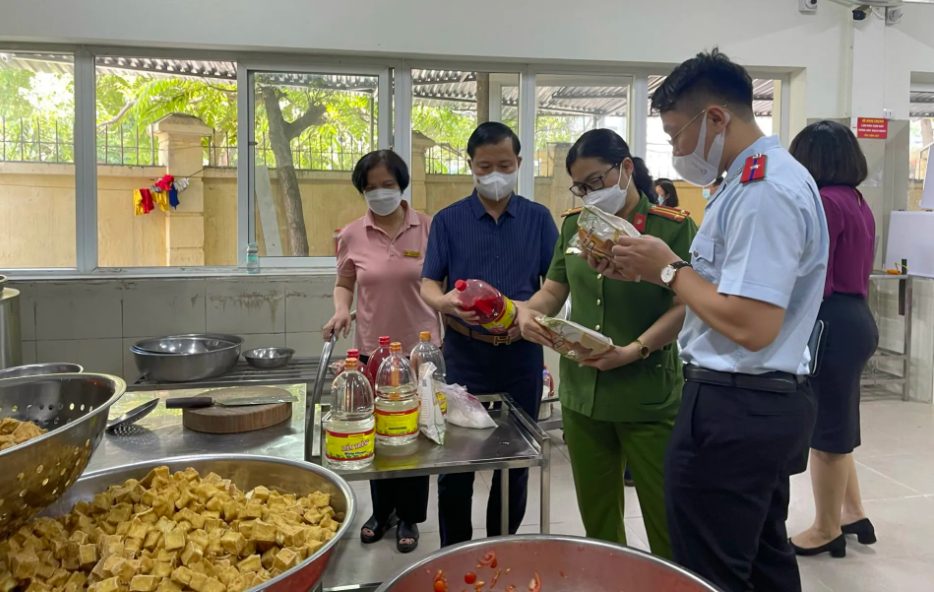
Hanoi’s Interdisciplinary Inspection Team No. 1 inspects the canteen at Viet Hung Primary School in Long Bien Ward. Photo: Thanh Hai/The Hanoi Times
The information was included in a conclusion released on November 11 by Vice Chairman of the Hanoi People’s Committee Nguyen Manh Quyen following a review of temporary markets and testing centers across the city.
According to the Vice Chairman, market management, food safety and related conditions directly affect people’s daily lives, urban order and public health.
“These tasks require consistent coordinated and continuous engagement from the entire political system,” said Quyen.
The city acknowledged and commended 71 communes and wards that have completely eliminated all makeshift and temporary markets.
To address remaining informal markets and improve the network of traditional markets, the Department of Industry and Trade is tasked with urging local authorities to promptly finalize reports ensuring accurate and updated data.
The department will lead a review of investment needs for new market construction in areas still lacking and integrate these projects into the city’s 2026 investment plan.
Local authorities develop timelines to clear all remaining temporary markets in parallel with expanding and upgrading traditional markets.
They must also establish market operation regulations that assign clear responsibilities to traders and management boards regarding product origin and food safety.
For large markets, on-site rapid testing laboratories should be considered.
The Department of Industry and Trade in coordination with the Department of Finance will guide local authorities on incentive mechanisms to attract consumers and vendors to official markets including proposals such as free parking and reasonable service fees at traditional markets.
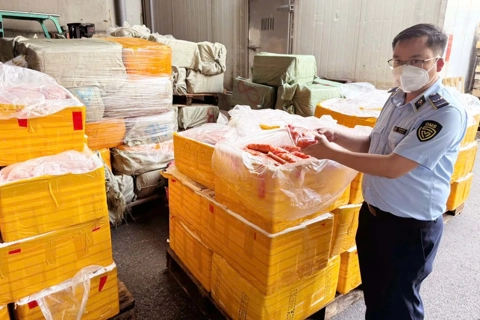
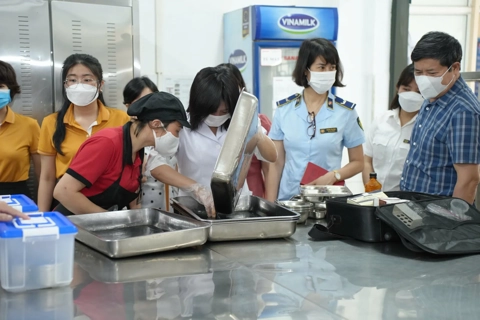
Regarding inspection and testing centers, Quyen directed that the city should review consolidate and establish several large well-equipped facilities strategically located across districts.
“These centers must be streamlined, efficient and capable of supporting state management in food safety, market regulation and other areas directly affecting public health,” he noted.
The Department of Health will lead the development of a plan to build a regional inspection and testing center in Hanoi meeting international standards and propose a comprehensive plan to upgrade existing facilities accordingly.
The Department of Finance will develop mechanisms for managing investment and recurrent expenditures as well as fee collection and other revenue streams for the centers. The Department of Industry and Trade will propose financial management mechanisms for inspection and testing services supporting market supervision.
Meanwhile, the Departments of Planning and Architecture and Finance will review plans for centralized warehouses to store seized goods and evidence.