Hanoi plans zero gaps in disaster response
Disaster prevention is recognized as one of Hanoi’s priorities, closely tied to protecting public welfare and promoting socio-economic development.
THE HANOI TIMES — Hanoi has stressed the importance of disaster preparedness at every locality, as the city operates under a two-tier local government model.
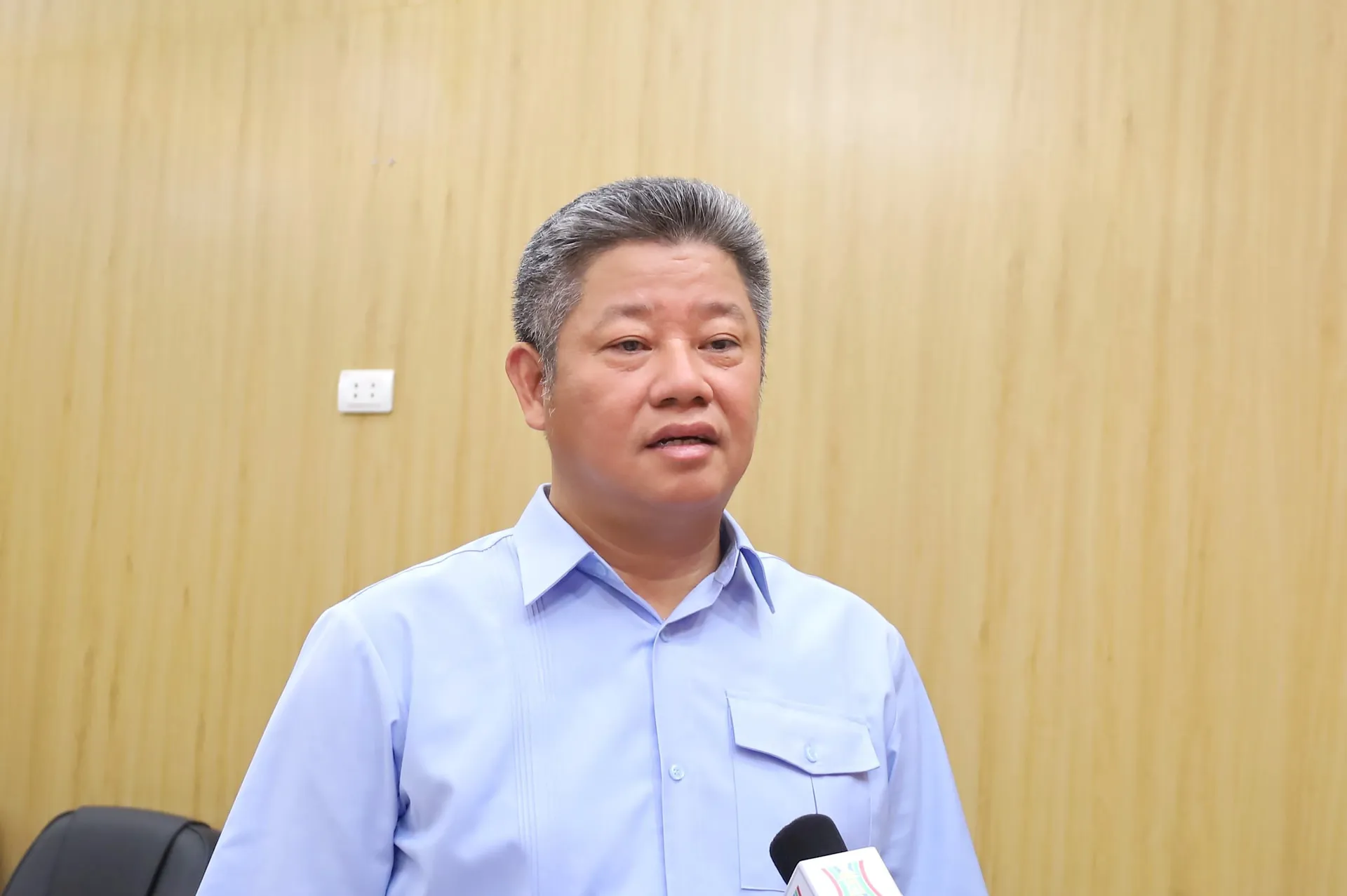
Vice Chairman of the Hanoi People's Committee Nguyen Manh Quyen at an interview. Photo: Hanoi Portal
The Hanoi Times is honored to introduce a recent sharing with the media by the Hanoi People’s Committee Vice Chairman Nguyen Manh Quyen.
Since the beginning of 2025, how has Hanoi implemented its disaster prevention and response efforts, and what are the key results?
The city has identified this as one of its top and ongoing priorities. We issued disaster preparedness plans early in the year, restructured command committees at all levels, and carried out training and drills based on simulated scenarios.
During Typhoon Wipha (Storm No. 3), our early preparation and coordinated efforts helped minimize damage. In high-risk communes and wards, evacuation plans, rescue operations, flood control, and dike protection were all implemented promptly.
Typhoon Comay (Storm No.4) and the recent heavy rains posed significant challenges for the city. How did Hanoi respond during this period?
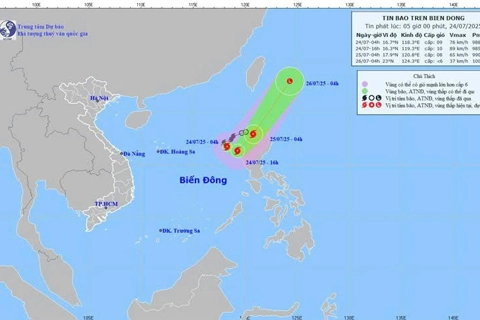
As Storm No. 4 approached, the Hanoi People’s Committee activated a comprehensive response across all levels of government, from the city to each commune and ward. Local authorities remained on high alert around the clock to inspect vulnerable areas, review evacuation plans, and safeguard key infrastructure like dikes, pumping stations, and reservoirs.
Agencies worked closely together to ensure that equipment, materials, and personnel were fully prepared, mainly in high-risk zones, which were equipped with warning signs and response teams, while all residents were kept informed. Thanks to early preparation and coordinated action, we were able to limit the impact of the storm and maintain stability across the city.
Natural disasters in 2024 and the first seven months of this year have been complex and severe. What lessons has the city learned from these experiences?
The most important lesson is never underestimating any situation. Natural disasters are becoming increasingly extreme and unpredictable. In 2024, Storm No. 3 caused serious damage in several localities, followed by prolonged heavy rains, landslides, and deep flooding in low-lying areas. This year, in July alone, the capital faced the impact of storms No. 3 and No. 4.
Based on these experiences, we have instructed local authorities to develop realistic response scenarios and adjust their plans for each specific weather event. Newly established communes and wards, though still facing difficulties, have taken active steps to prepare and have responded with flexibility.
How has the city adapted its disaster management approach under the new two-tier local government model?
After completing the administrative restructuring to the two-tier model, the city promptly directed departments and localities to review all disaster prevention and rescue plans. We also established civil defense command units at the commune level.
To date, 100% of communes and wards have completed this process, updated their response plans, and assigned roles based on different levels of disaster risk. This is essential to ensure that no locality is left unprepared when disaster strikes.
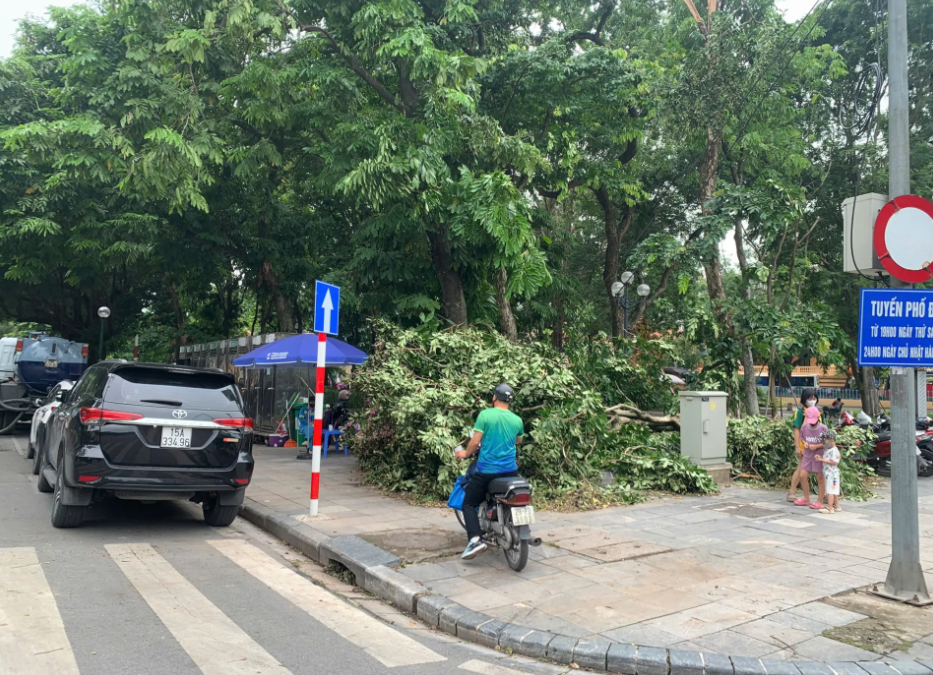
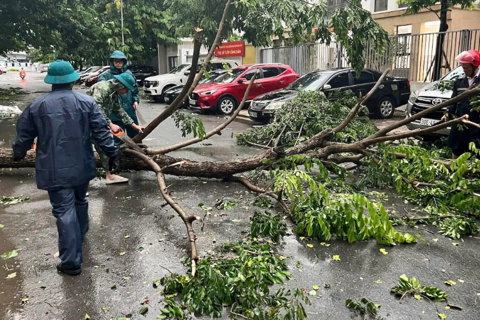
Fallen trees were cleared from the corner of Le Thach Street on July 20 following a heavy storm. Photo: Hong Thai/The Hanoi Times
With the removal of district-level government, has there been any change in the command and coordination mechanism?
This is a major shift, and we have taken it seriously. The Capital Command has been assigned to advise on establishing Hanoi’s Civil Defense Command, where the Capital Command serves as the standing body.
Departments and agencies have developed specific scenarios and response strategies according to their assigned roles. When a disaster occurs, they immediately activate the approved plans.
Additionally, the city has reviewed all available personnel, equipment, and resources, updating everything in a shared digital database. This allows for swift mobilization when needed.
What are the city’s next steps to strengthen disaster management capacity at the grassroots level?
Our immediate focus is on completing a comprehensive digital database on disaster risks. This includes flood maps, dike systems, evacuation routes, and detailed information on available personnel, supplies, and equipment in each commune and ward. This database will be a powerful management and coordination tool under the new government structure.
We are also continuing to organize training programs for grassroots officials and support the development of local supply depots in line with the "four on the spot" approach.
At the same time, we are proposing that the central government invest in upgrading key infrastructure, such as pumping stations, drainage canals, dikes, and early warning systems that reach every household.
Thank you for your time!