Hanoi’s 100-year master plan to shape the capital’s future growth
The planning must be of the highest quality so Hanoi can fully realize its distinctive potential, key opportunities and competitive advantages.
THE HANOI TIMES — Hanoi’s 100-year Capital Master Plan will serve as a strategic foundation for the city’s long-term development in the nation’s new era, Prime Minister Pham Minh Chinh said on December 15, calling for swift action, high standards and clear implementation pathways.
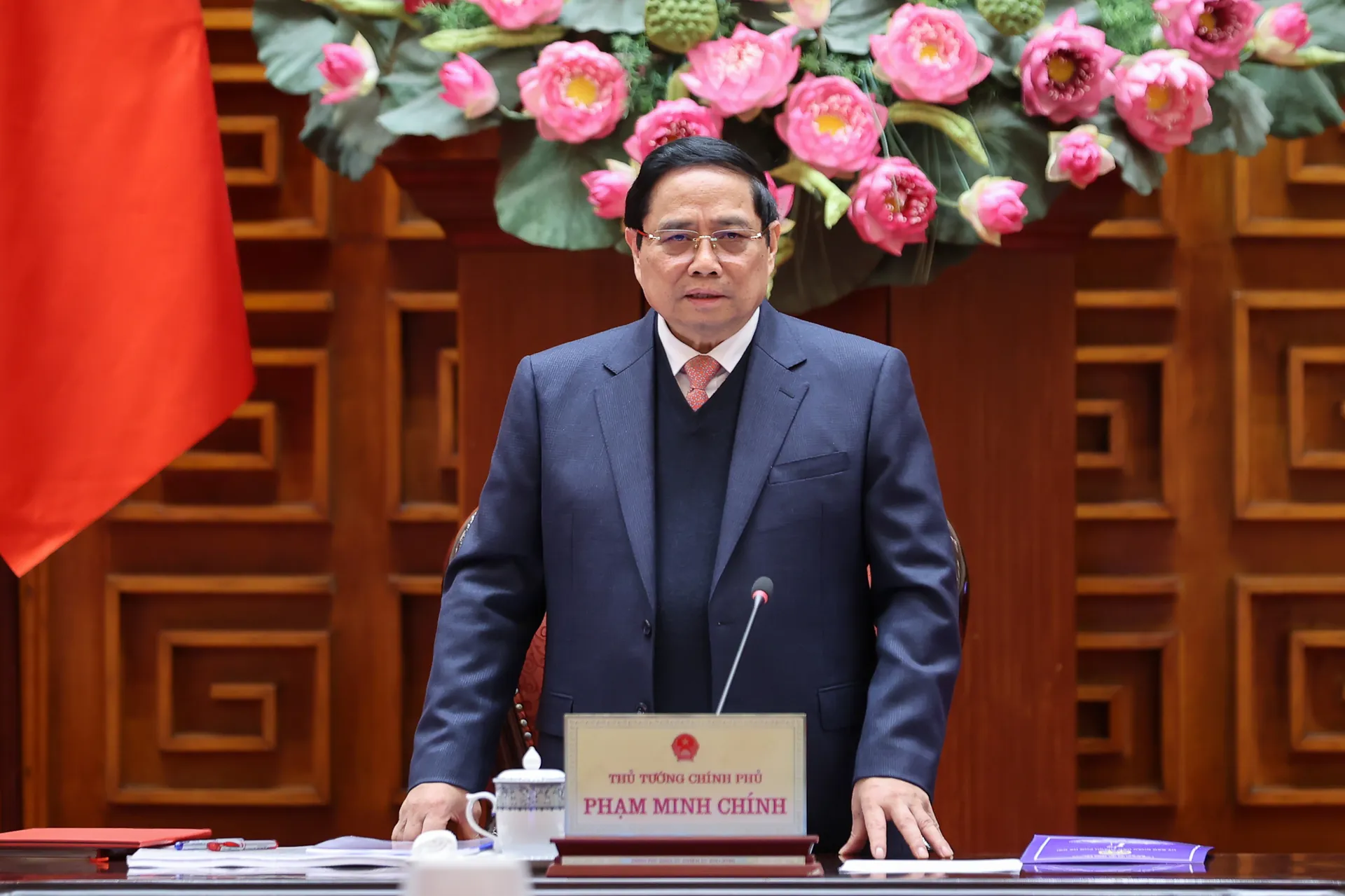
Prime Minister Pham Minh Chinh during the meeting. Photos: VGP
Speaking at a meeting reviewing major planning orientations, the prime minister stressed that integrating existing plans into a unified Capital Master Plan is necessary and appropriate for the country’s new development phase, requiring both immediate action and a long-term vision.
According to Hanoi Party Secretary Nguyen Duy Ngoc, the city has established a steering committee to prepare the plan.
"The effort aims to merge the Capital Plan and the adjusted Master Plan into a single framework aligned with national, regional and neighboring provincial plans," said Ngoc.
Prime Minister Chinh said the process should build on existing foundations while developing new elements, with selective adjustments to earlier plans to keep major projects on track.
He called for the swift preparation of submissions to competent authorities to elevate Hanoi’s development in line with the 14th National Party Congress vision and updated targets for the new development era, including double-digit growth in the coming years.
Chinh also urged effective implementation of the Politburo’s strategic resolutions, especially on science and technology, innovation and digital transformation, along with the resolutions of the 18th Hanoi Party Congress.
"The planning must meet the highest standards to unlock Hanoi’s unique potential, opportunities and competitive strengths, ensuring the capital develops in step with the nation’s new era of prosperity and sustainable growth," said Chinh.
While agreeing with reports and proposals presented at the meeting, Chinh said Hanoi should continue refining the plan, with relevant agencies proceeding with approval in accordance with the law. He outlined additional orientations for a century-long strategy to be implemented in clearly defined phases and steady steps.
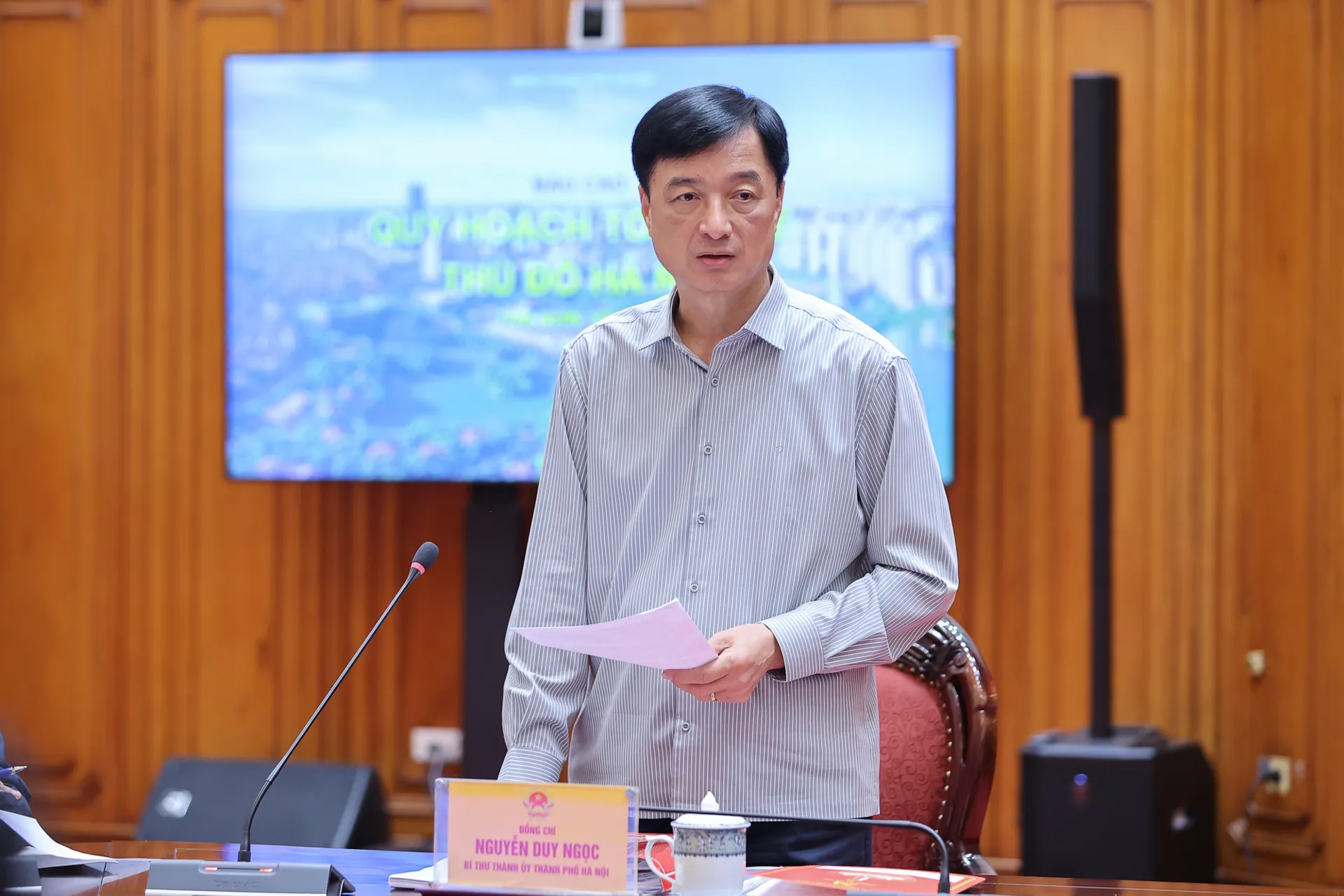
Secretary of the Hanoi Party Committee Nguyen Duy Ngoc at the meeting.
These orientations include more efficient use of underground, surface and aerial space, along with fast yet sustainable development based on the digital, green and knowledge economies. He also called for a multi-polar, multi-center and multi-layer planning approach.
Chinh emphasized in-depth development that balances new urban areas with the preservation, revitalization and renewal of existing ones, noting the global trend of integrating villages within cities and urban spaces within villages in line with green and digital development.
"It's needed to have a stronger connectivity across transport networks, urban technical infrastructure and other strategic systems, alongside enhanced regional linkages to reinforce Hanoi’s central role," said Chinh.
He also urged solutions to traffic congestion, flooding, environmental pollution and limited green space, as directed by Party General Secretary To Lam, and highlighted the application of new technologies, artificial intelligence, digital transformation, data development and smart city solutions.
Regarding implementation, Chinh said planning review and development should move swiftly while ensuring the highest quality.
“The plan must reflect cultural and historical depth and a century-long vision suited to national and local conditions,” he said.
He added that planning must translate into concrete projects with clearly identified resources, mobilizing both public and private capital from domestic and international sources and reaffirmed the government’s commitment to supporting Hanoi within its authority.
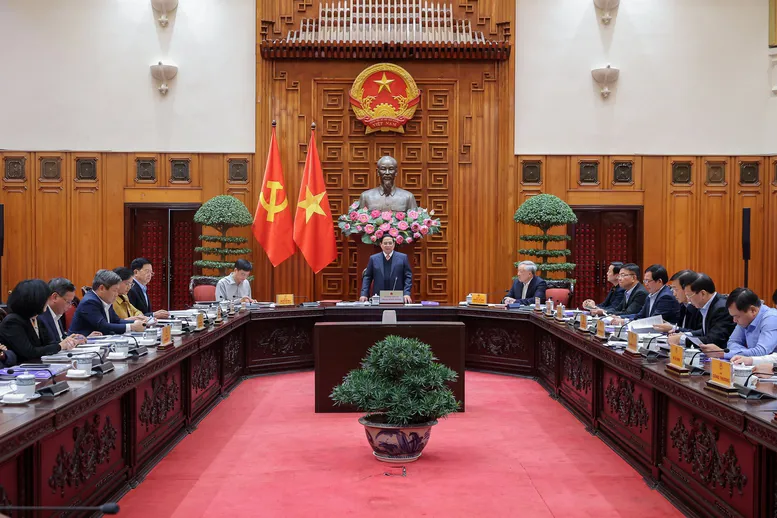
Overview of the meeting.