Hanoi’s reforms and innovation boost investor confidence: HSBC expert
The capital combines natural advantages, strategic location, strong infrastructure, skilled labor and a determined push for reform.
THE HANOI TIMES — Lam Thuy Nga, Country Head of Global Corporate and International Mid-Market at HSBC Vietnam, shared with The Hanoi Times her insights on why Hanoi is fast becoming a top destination for investors.
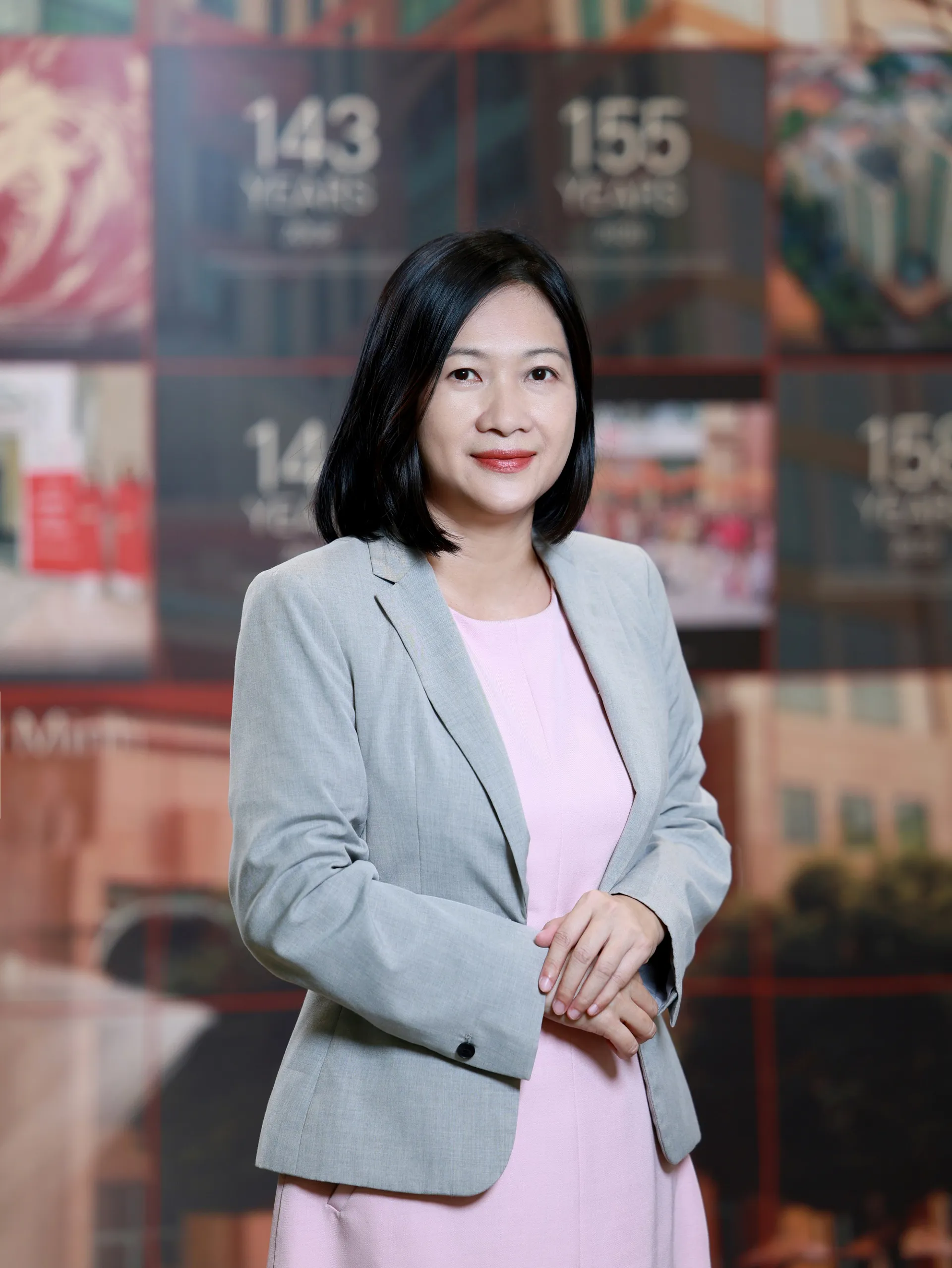
Country Head of Global Corporate and International Mid-Market at HSBC Vietnam Lam Thuy Nga.
How do you see Hanoi’s business environment and its advantages compared to other localities?
When I think about Hanoi, what stands out to me is its unique position. As Vietnam’s capital and political center, it has always been considered the “heart” of the nation. This heart has pulsed throughout a thousand years of the history of Thang Long - Dong Do - Hanoi, making Hanoi a leader across many fields.
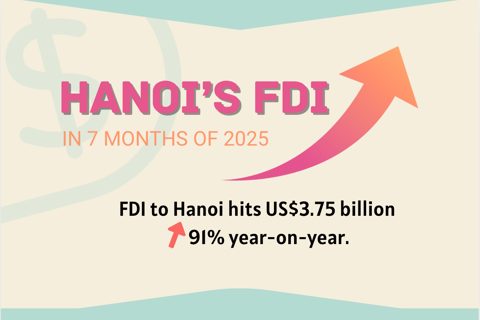
Hanoi is also one of the country’s top destinations for foreign direct investment (FDI). In the first half of this year, FDI rose 216% year-on-year to near US$3.7 billion. What impressed me most was that some $3.1 billion came from 89 projects as investors sought to expand their operations. That proves strong confidence among investors in the city’s potential.
The capital combines natural advantages, strategic location, strong infrastructure, skilled labor and a determined push for reform. The Provincial Competitiveness Index 2024 showed Hanoi rising four places to the 24th, with progress in market entry, land access and labor training.
Innovation is another area where Hanoi has taken the lead. In 2024, the city topped the Ministry of Science and Technology’s Provincial Innovation Index, excelling in 15 out of 52 indicators, including R&D spending and human resources.
Administrative reform is also impressive as the city has consistently scored above 80% in the national reform index for more than a decade. In 2023, it ranked third nationwide at 91.43%. I was particularly impressed by the “Digital Capital Citizen – iHaNoi” app launched in 2024, which quickly became a practical channel between businesses, citizens and government.
In fact, these efforts have delivered results. Hanoi’s GRDP grew 7.63% in the first half of the year, exceeding expectations. By early 2025, the city had more than 406,000 registered businesses, accounting for one-third of all enterprises nationwide. This creates a strong foundation for continued growth.
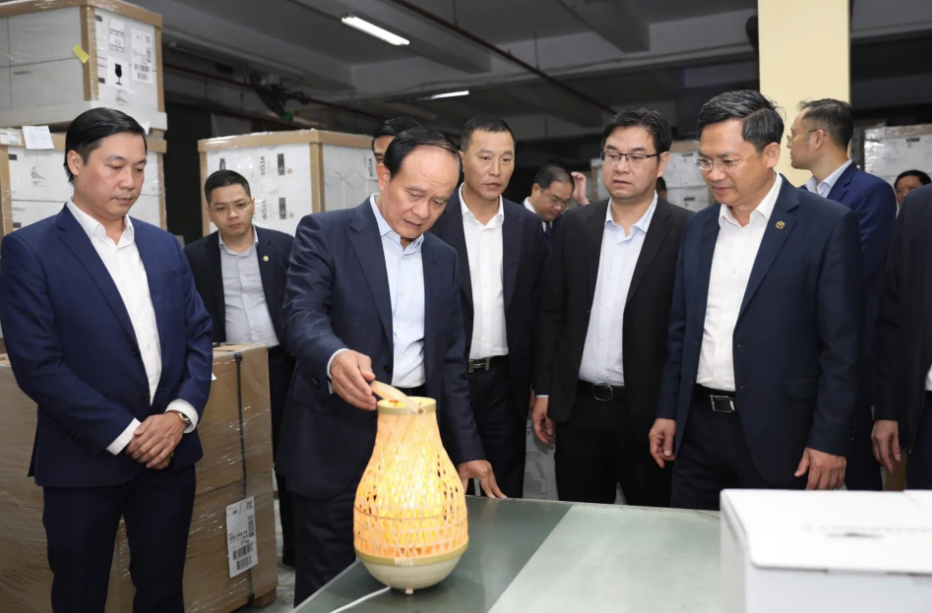
Vice Secretary of the Hanoi Party Committee and Chairman of the municipal People’s Council Nguyen Ngoc Tuan visits Ngoc Son Handicraft and Furniture, Hanoi. Photo: Hai Linh/The Hanoi Times
What support have foreign businesses, particularly UK-based enterprises, received from Hanoi?
There are now over 400 UK businesses operating in Vietnam, from large corporations like HSBC to many SMEs. Our presence in Vietnam dates back to 1870, a privilege that has allowed us to witness and contribute to the country's remarkable development through various eras.
Since the 1986 Doi Moi (Renewal), Vietnam has joined the World Trade Organization, signed 17 free trade agreements (FTAs), and forged strategic partnerships with 13 countries. During this time, per capita income spiked to $4,700 in 2024 from $96 in 1989. Much of this success is due to the private sector, which the government has rightly placed at the center of socio-economic growth.
The Politburo's Resolution No.68 reinforced this direction by positioning the private sector as the main engine of the economy. In Hanoi, it now contributes more than 45% of GRDP and nearly 80% of new jobs.
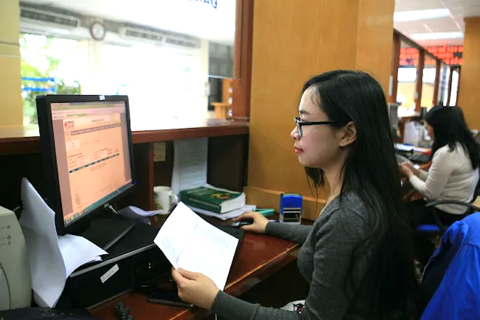
What I appreciate is that the city is turning policy into action. A good example is the free start-up consultation service at the Public Administration Service Center, which makes it easier for individuals and organizations to register businesses. Every step, big or small, will benefit private enterprises and encourage more citizens to pursue entrepreneurship.
What challenges remain, and how could Hanoi improve its investment climate further?
Hanoi has made significant progress, but workforce development is the next big challenge. High-tech industries and the green transition both require highly skilled labor.
The city should continue to invest in education and training, while also creating incentive policies to attract international experts. I believe expanding the R&D ecosystem and building stronger public–private partnerships will also help Hanoi stay globally competitive.
What are your hopes for Hanoi’s development, and which sectors should the city prioritize?
As a Hanoi citizen, I hope the city continues its path of sustainable development. The service sector already accounts for nearly 69% of GRDP, and there is a enormous potential in the tourism sector. Growth, however, must always be balanced with cultural preservation.
Take experiential tourism, for instance. It would let residents of Hanoi’s craft villages actively participate by offering visitors hands-on activities like making Bat Trang potteries, Chuong conical hats, Chang Son fans, or Phu Vinh bamboo rattans. I believe these experiences will enrich tourism, support local communities and preserve traditions.
On top of that, Hanoi absolutely needs to step up its efforts in promotional programs, in which the city has to act and showcase its cultural attractions and cuisine to both domestic and international audiences.
As an employee of a UK-based bank, I also hope to see the Vietnam–UK relationship continue to flourish. Since diplomatic ties were established in 1973, the two countries have expanded cooperation in many areas.
In 2024, bilateral trade increased by 18% year-on-year to reach $8.4 billion, making the UK Vietnam’s third-largest European export market. With the Comprehensive and Progressive Agreement for Trans-Pacific Partnership (CPTPP) and the UK-Vietnam Free Trade Agreement (UKVFTA) in place, I am confident this partnership will achieve even greater results.
Thank you for your time!