Hanoi set to build new waste-to-energy plant by 2030
The city is shifting toward a growth model driven by productivity gains, science and technology to support economic growth and participation in the carbon market.
THE HANOI TIMES — Hanoi plans to develop an additional waste-to-energy plant by 2030 as part of its efforts to build a green and sustainable urban environment.
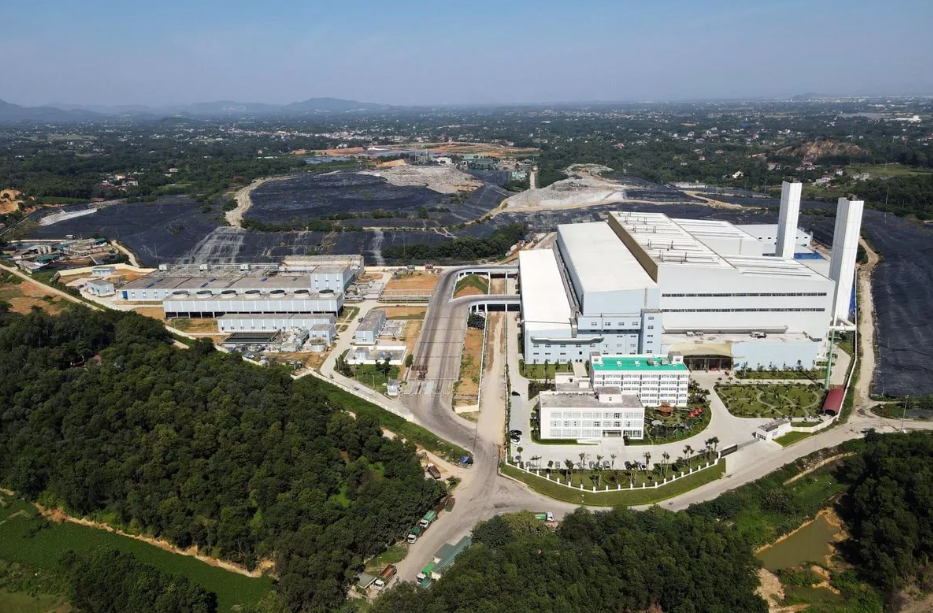
Soc Son waste-to-energy plant in Hanoi. Photo: Lam Thanh/The Hanoi Times
The plan was announced by the Hanoi People’s Committee in its environmental protection roadmap for the Industry and Trade sector for the 2026-2030 period.
Under the roadmap, all industrial and trade enterprises are expected to receive training and legal guidance on environmental protection. The city will also promote renewable energy, improve energy efficiency and apply emissions control measures to reduce greenhouse gas output.
By 2030, Hanoi aims to add one more waste-to-energy plant as it pushes ahead with green industry and more sustainable production and consumption models.
Plastic emissions are set to be reduced alongside the development of sustainable supply chains for environmentally friendly products to support green economic growth suited to local conditions.
All existing and newly developed industrial zones and clusters will be required to install wastewater treatment systems to limit pollution.
To achieve these goals, the city will prioritize the expansion of green industries, including renewable energy, battery manufacturing and energy storage, waste treatment and recycling and green materials.
These priorities will extend across the full production ecosystem and supply value chain, from design and manufacturing to distribution, use and recycling. The approach aims to conserve natural resources and reduce emissions and environmental pollution.
Businesses are encouraged to invest in research and development and adopt green technologies in manufacturing. Circular economy models will be promoted in industrial production, alongside more efficient use of resources and support for green production and responsible consumption.
The plan also calls on organizations and individuals to increase the use of renewable energy, optimize energy use and apply effective emissions control measures. Such steps are expected to cut CO2 and other harmful gases and contribute to lower greenhouse gas emissions.
At the same time, Hanoi is accelerating technological innovation and encouraging the production of eco-friendly products while strengthening sustainable supply chains.
Product designs that offer longer lifespans and easier recycling and recovery are being promoted to ensure sustainability standards are met while opening up new business opportunities and improving competitiveness.
Notably, the city seeks to develop specialized or mixed industrial zones and clusters, while relocating production, storage and recycling facilities with high pollution risks into designated areas to improve safety, conserve resources and protect the environment.
To facilitate its plans, Hanoi will introduce policies to encourage the application and transfer of technologies that improve resource efficiency in order to move toward a growth model driven by productivity gains, scientific and technological progress and innovation, to support economic growth and create the conditions needed to participate in the carbon market.