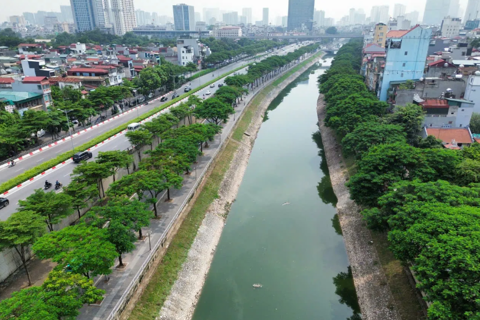
Hanoi to reduce poverty by 30% in 2023
The goal is to eliminate poor households in the city by the end of 2025.
Hanoi has set a target to reduce the number of poor households by 30% this year compared to 2022, according to the recently issued Decision No.337.
Under the decision, the municipal Department of Labor, War Invalids and Social Affairs was assigned to coordinate with relevant agencies and people's committees of districts in supporting poor and near-poor households, especially during Lunar New Year (Tet) holiday, which is the most important and biggest festival for Vietnamese.
The decision emphasized that priority should be given to poor households, especially those of ethnic minority groups and families on welfare.
District people's committees are asked to periodically review the local poverty situation to provide the poor with timely relief.
The local authorities proposed the Hanoi Fatherland Front Committee supervise the classification of poor and near-poor households and those with average living standards, ensuring that aid reaches the right beneficiaries.
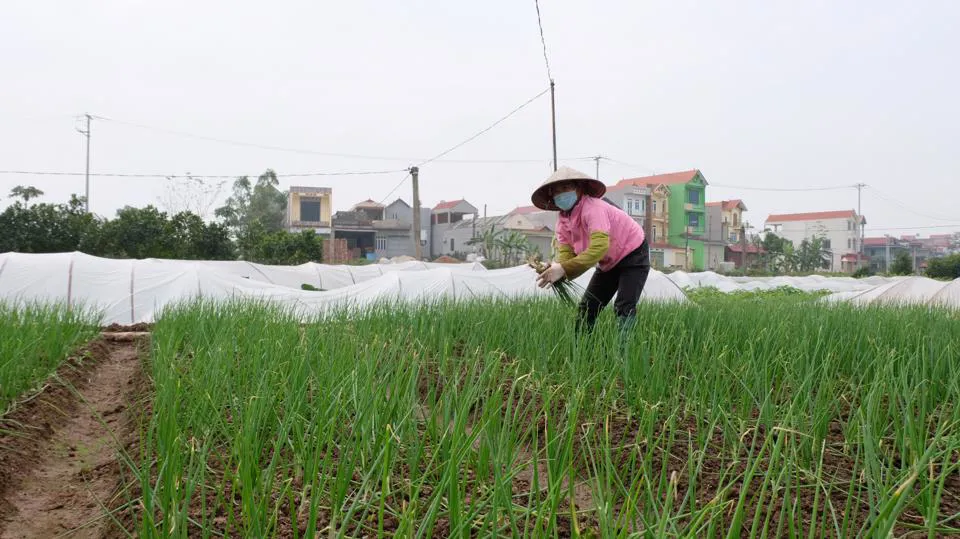
The outskirt district of Me Linh has been one of the bright spots in Hanoi's efforts for poverty reduction. Photo: Trong Tung/ The Hanoi Times |
According to the committee, the Fund for the Poor received donations worth more than VND83.5 billion (US$3.5 million) during the month of "For the poor" in 2022.
The fund has supported house construction and provided production and business tools to poor and near-poor households, as well as those in difficult circumstances, with a total amount of VND20.7 billion (US$883,105).
The district-level Fatherland Front committees have helped build 306 houses at the cost of more than VND12 billion (nearly $512), repaired 94 houses, and provided assistance in means and tools of production to nearly 1,600 households. They also delivered gifts worth VND13.8 billion (US$588,736) to needy families.
Besides, Hanoi has targeted to keep the poverty reduction rate at 25-30% per year, eventually leading to no poor households by late 2025.
The goal was set in the city’s plan for sustainable poverty reduction in 2022-2025. Hanoi is expected to carry out a host of poverty reduction solutions, especially in localities with high poverty rates, while creating incentives for poor households to escape poverty soon.
Under the plan, the total budget allocated for the program is estimated at VND1.58 trillion (US$68.7 million).
The focus would be to support poor households on welfare, ethnic minority people, those suffering severe illnesses, with a disability, or those of the non-working age group. Poor households are expected to have favorable access to basic social services such as healthcare, education, housing, clean water, hygiene, or job placement.
To achieve these objectives, Hanoi would accelerate ongoing projects to support the people in need, including those on “diversifying livelihoods and promoting poverty reduction models”, “supporting businesses/production activities and improving nutrition for the poor”, “supporting vocational training for sustainable job security”, “raising public awareness on poverty reduction”, “raising supervision capabilities on the implementation of poverty reduction program”.
According to Hanoi authorities, the city had 2,134 poor households, equivalent to 0.095% of its population, and 22,263 near-poor households, or 0.99%, as of the end of 2022.
In five years, the poverty rate in Vietnam has declined sharply from 9.88% in 2015 to 2.75% in 2020, with over eight million people escaping from the poor and near-poor status.