Hanoi sets up steering committee to build smart city surveillance camera system
Hanoi advances its smart city vision with a new steering committee overseeing the installation of nearly 1,900 AI-powered cameras by late 2025, paving the way for safer streets and more efficient urban management.
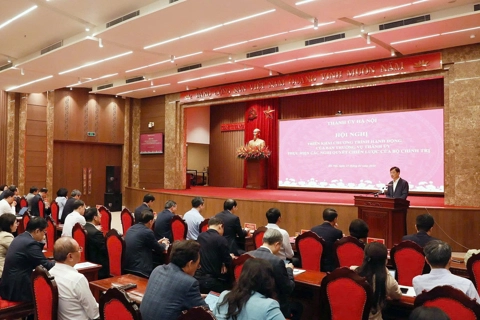
THE HANOI TIMES — The Hanoi People’s Committee has established a Steering Committee for the development of a centralized surveillance camera system across the city.
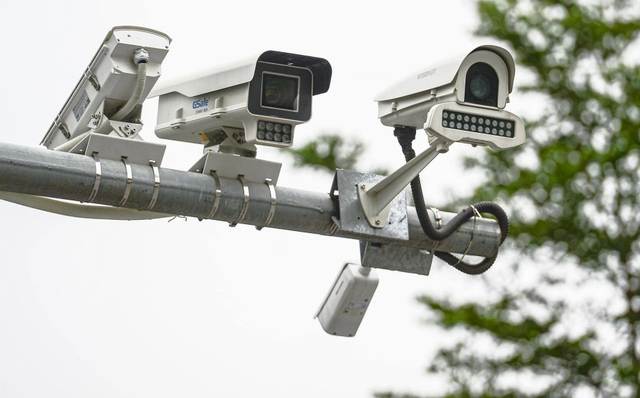
The surveillance camera system in Hanoi. Photo: VGP
The committee, consisting of six members, is headed by Truong Viet Dung, member of the City Party Committee and Vice Chairman of the Hanoi People’s Committee.
It will advise municipal authorities on unified policies, strategies, and technical solutions for planning, investment, and management of the city’s surveillance network.
The Hanoi Department of Public Security will act as the standing body, coordinating implementation and reporting progress, while local departments and authorities must provide timely updates on their assigned tasks.
Hanoi plans to operate nearly 1,900 AI-powered cameras managed by the city’s police starting in December 2025 to improve traffic safety and urban order.
The AI cameras will process and analyze video directly at the source, identifying traffic violations and public security incidents before transmitting data to the monitoring center for verification and comparison with the system’s database.
This edge-processing capability will enhance accuracy, reduce latency, and ease the workload of central servers, allowing the system to expand more easily.
The cameras will automatically measure traffic volume at intersections and send real-time data to adjust traffic signal cycles, optimizing flow and reducing congestion and waiting times.
The system will also detect traffic offenses and public security violations automatically.
This marks a major step in Hanoi’s digital transformation roadmap toward a smart city model, with plans to install more than 40,000 cameras citywide between 2025 and 2030.
Source: Decision No. 5243/QD-UBND issued by the Hanoi People’s Committee on October 20, 2025.