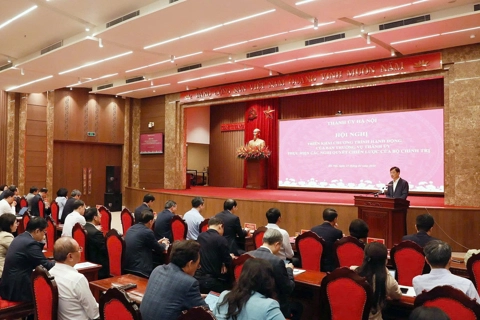
Hanoi strives to complete new-style rural construction by 2025
Hanoi is committed to promoting the modernization of rural areas to narrow the development gap with urban areas.
Hanoi will prioritize resources and push efforts to accelerate the construction of new-style rural districts and communes among the 14 major tasks and measures set by the city's Party Committee for 2025.
Nguyen Xuan Dai, Director of the city's Department of Agriculture and Rural Development, shared the news, adding that Hanoi's progress in new-style rural construction is positive. As of October, almost all 18 districts met the standards for new-style rural areas. Meanwhile, six districts strive to become advanced new rural areas, including Gia Lam, Dan Phuong, Dong Anh, Thanh Tri, Hoai Duc, and Thanh Oai.
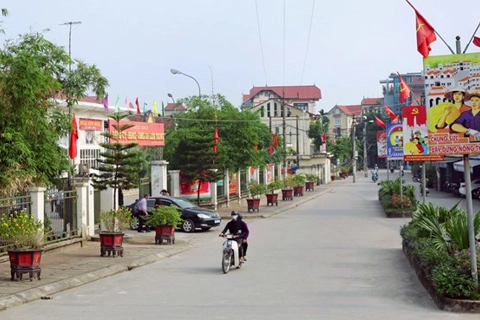
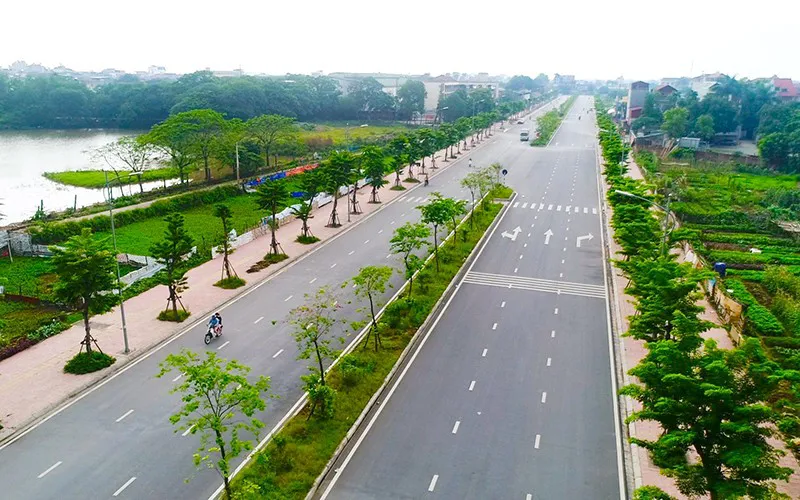
Modern road network in Hanoi's suburban district of Gia Lam. Photo: Phong Anh/The Hanoi Times |
In the roadmap to the end of 2025, the city will continue to support the Ba Vi and My Duc districts to be certified as new-style rural areas this year. These are the capital's two most backward localities, especially regarding socio-economic infrastructure.
He stressed that to achieve the 2025 target, all districts need to meet the standards for new-style rural areas, and 20% of them advanced new-style rural areas. "To qualify as a new-style rural area, a locality must meet 19 criteria related to infrastructure, irrigation, electricity, environment, income, education, healthcare, social security, and culture," Dai said.
Accordingly, Hanoi will focus on developing rural agricultural infrastructure, speeding up agricultural mechanization, and fostering supporting industries and logistics services while promoting rural tourism and handicraft village tourism in connection with the construction of new-style rural areas, Nguyen Van Chi, Deputy Head of the Hanoi Coordination Office of New Rural Construction Program, told The Hanoi Times.
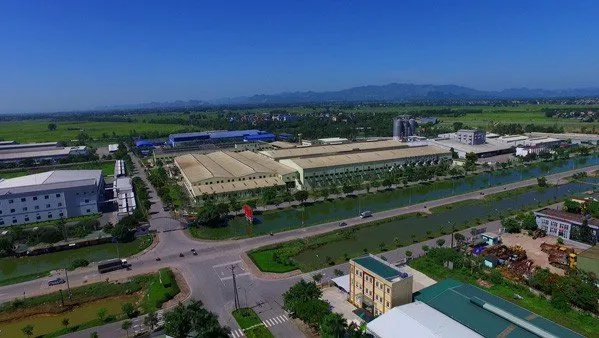
Hanoi's suburban district of Chuong My is undergoing a facelift after more than 10 years of implementation of the National Target Program on Building New-Style Rural Areas. Photo: VGP |
Hanoi will also upgrade educational facilities and improve the quality of education, training and human resources in rural areas. In addition, the city will preserve and promote the cultural values of ethnic minority groups and raise people's awareness of environmental protection, Chi emphasized.
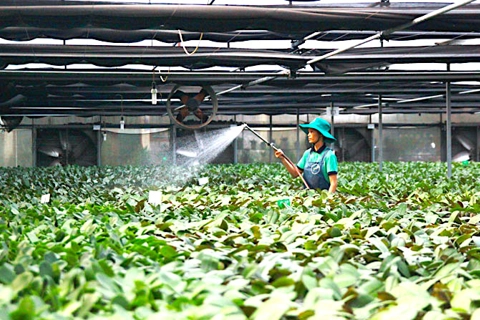
He pointed out that Hanoi's rural areas have a considerable number of handicraft villages, where large-scale, high-tech farming and concentrated agricultural zones could be created for the city to cement its position as an important center in this field.
Therefore, Chi suggested that the locality needs to keep innovating, researching and developing policies for the development planning of cooperatives, farm economy, craft village, industrial zones and clusters, rural services, vocational training for rural workers.
Deputy Chairman of Hanoi People's Committee Nguyen Manh Quyen suggested that in 2024, the city's Department of Planning and Investment and the Department of Finance should find resources and give priority to helping districts achieve their set goals.
"Based on the set tasks and solutions, each locality should focus on policies to encourage the application of science and technology, promote synchronized mechanization in agricultural production, and strive to complete the task of building the city's new-style rural areas by 2025," Quyen stressed.
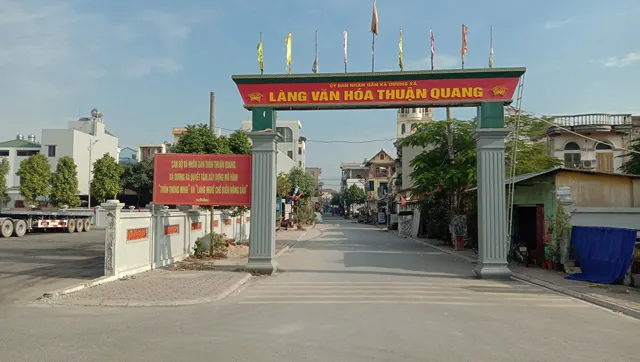
Thuan Quang village, Duong Xa commune in Hanoi's Gia Lam district, is a model of new-style rural construction. Photo: VGP |
He noted that in the period 2023-2025, Hanoi would focus on accelerating the restructuring of the agricultural sector and renewing the growth model in conjunction with the development of clean, organic and ecological agriculture.
"Hanoi also aims to build a modern, democratic and civilized rural area with synchronized socio-economic infrastructure in line with urban criteria, a clean green environment, and a healthy, rich cultural life imbued with national identity," Quyen added.
Quyen said the city has been committed to promoting the modernization of rural areas to narrow the development gap with urban areas.
Hanoi's moves are in line with the National Target Program on Building New Style Rural Areas, which was launched by the Vietnamese Government in 2010 to promote rural development nationwide. In March 2022, a new set of criteria for new-style rural communes and another for advanced rural communes were issued for 2021-2025.
Vietnam now has more than 6,000 communes out of nearly 8,200 that meet the standards of new-style rural areas, reaching 73%, while more than 1,300 communes have been recognized as advanced new-style rural communes and 176 others have met the standards of model new-style rural areas. More than 260 communes in 58 sub-national provinces and cities have completed the construction of new-style rural areas.