Hanoi tightens population management to protect voters’ rights
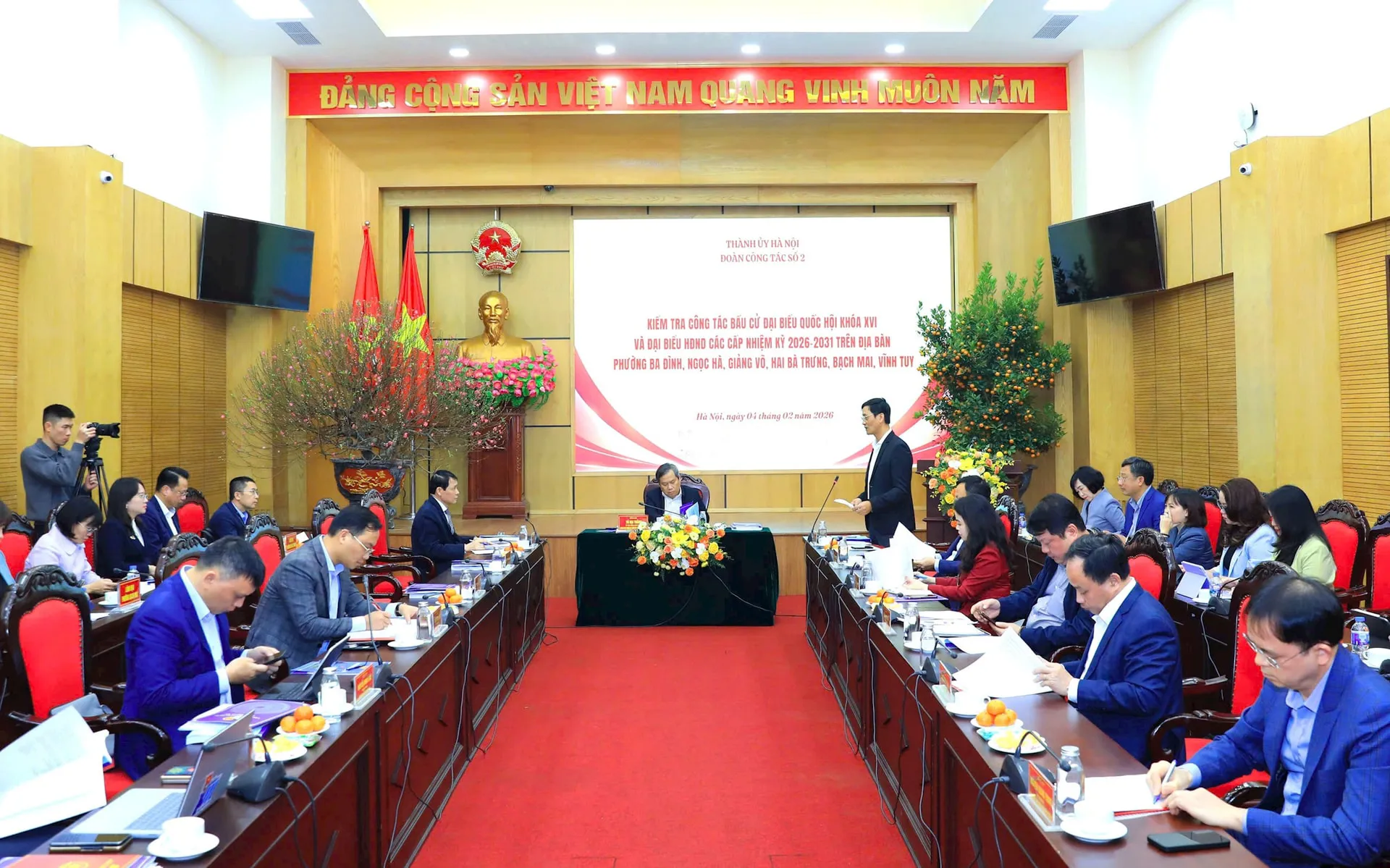
Senior city officials reviewed election readiness across six wards, focusing on voter registration, coordination among agencies and challenges caused by high population mobility.
THE HANOI TIMES — Local authorities must closely manage population movements to ensure that no voter’s legitimate voting rights are affected ahead of the upcoming National Assembly and People’s Council elections.
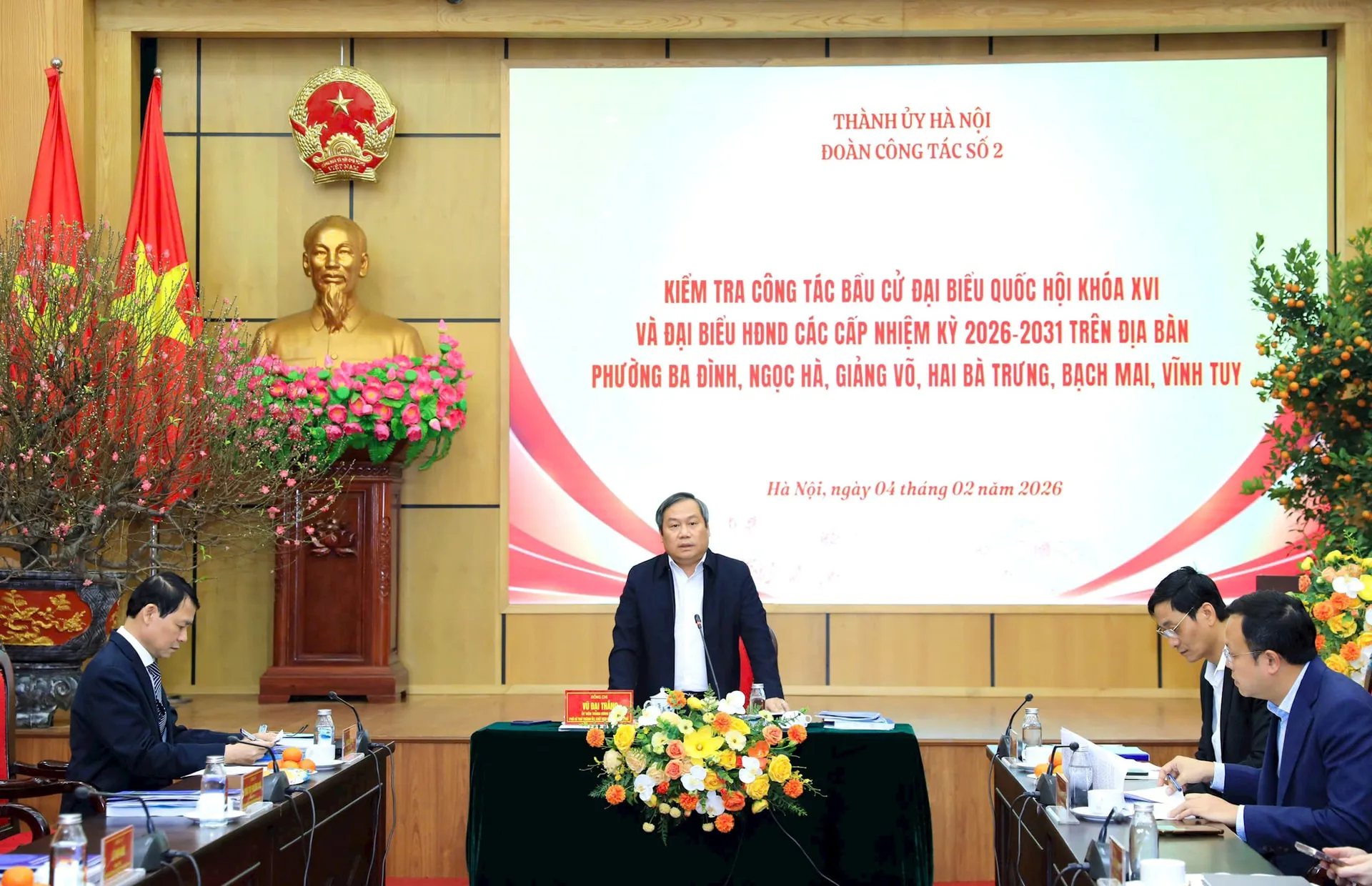
Chairman of the Hanoi People’s Committee Vu Dai Thang. Photos: Dinh Hiep
The request was made by the Chairman of the Hanoi People’s Committee, Vu Dai Thang, as he led an inspection team to review election preparations in Ba Dinh, Ngoc Ha, Giang Vo, Hai Ba Trung, Bach Mai and Vinh Tuy wards on February 4.
Local authorities reported that election preparations for the 16th National Assembly and people’s councils at all levels for the 2026-2031 term have been implemented in a coordinated and law-compliant manner.
However, some wards face challenges in reviewing and managing voter lists due to large populations, wide administrative areas and significant residential mobility following administrative restructuring.
Despite these difficulties, the six wards have proactively carried out election-related tasks on schedule. Party committees, local governments, the Vietnam Fatherland Front and relevant agencies have worked closely to organize election procedures, conduct voter outreach, review voter lists and prepare logistical conditions in line with regulations.
Members of the inspection team noted that overall election organization across Hanoi remains on track. Key challenges mainly involve frequent voter fluctuations in areas with universities, hospitals and rental housing, as well as heavy workloads under tight timelines.
The city has requested localities to adhere closely to key milestones, organize voter consultations at places of residence, conduct the third round of consultations, and ensure that elections are conducted democratically, lawfully, safely and effectively.
Pham Qui Tien, Vice Chairman of the Hanoi People’s Council, said inspections showed that progress in the six wards was consistent with other areas citywide. All wards have completed the establishment of election committees, polling boards and support subcommittees on schedule.
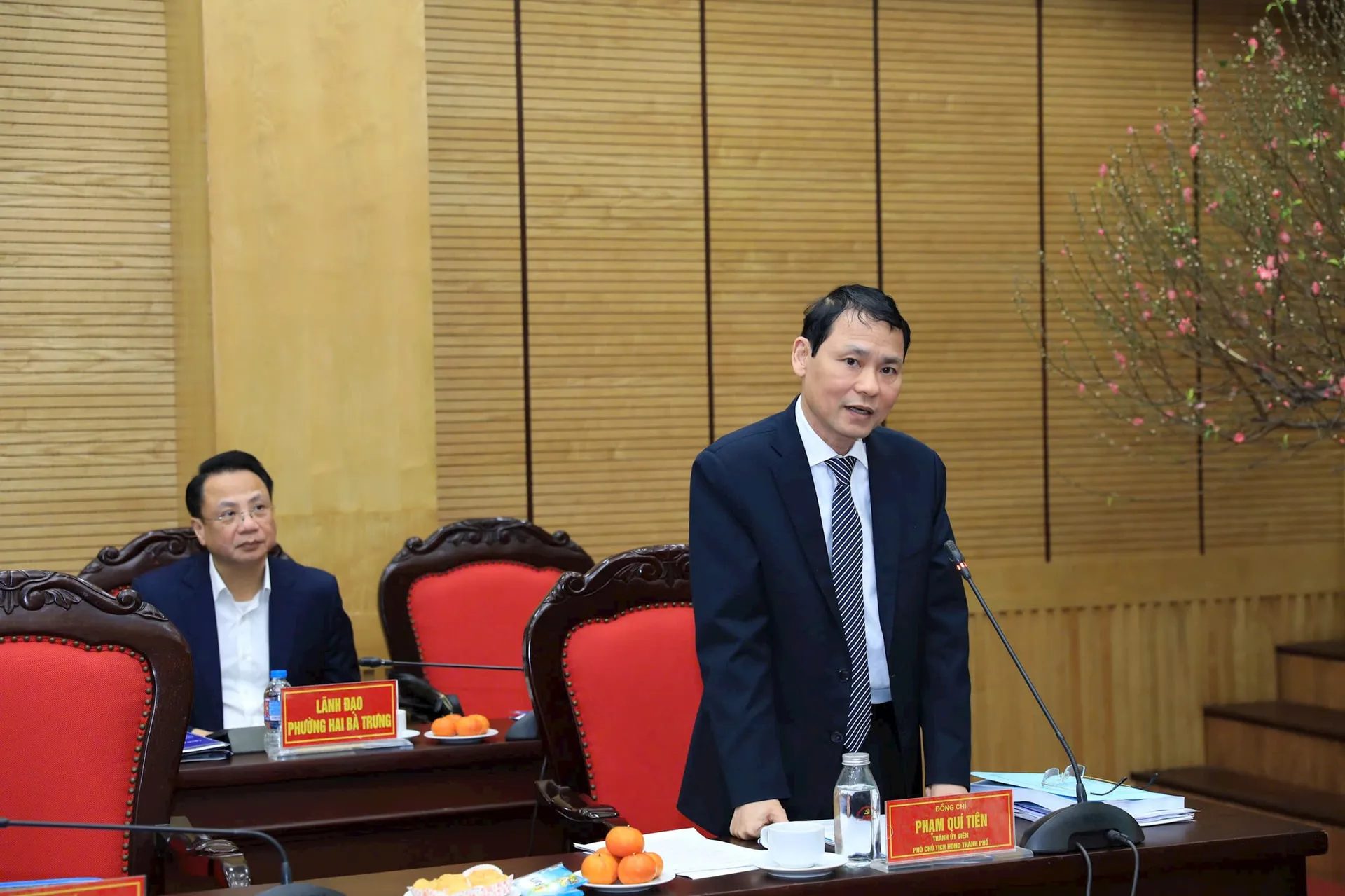
He added that preliminary candidate lists for the National Assembly and city-level People’s Council have been identified, and candidate application procedures were conducted properly. Localities are now focusing on posting voter lists.
However, he cautioned about discrepancies in voter data across different systems in areas with high population mobility, such as universities, industrial zones and boarding houses. He urged closer coordination with police forces to regularly update voter information and safeguard citizens’ voting rights.
Addressing the meeting, Chairman Vu Dai Thang stressed that although the inspected wards are geographically small, they have dense populations and a high concentration of senior Party and State officials as candidates, making security and public order a key priority.
He praised local authorities for strictly following procedures in candidate nomination and consultation rounds, noting that all candidates met required standards and no complaints or denunciations had been filed.
According to Thang, the smooth process reflects careful personnel planning aligned with grassroots realities, with strong public interest and engagement observed at residential areas.
He also highlighted that this election cycle differs from previous ones due to the implementation of a two-tier local government model. Under this system, wards directly handle more election-related tasks, while their scale and population have increased significantly.
With the election scheduled for March 15 and preparation time shortened due to the extended Lunar New Year holiday, Thang urged localities to strictly follow regulations, strengthen communication, review voter lists carefully, monitor public opinion and properly organize voter consultations at places of residence.
He emphasized that the third consultation round must be conducted democratically, transparently and in line with assigned structures. Localities were also asked to accelerate digital transformation and apply information technology in election work, while coordinating closely with police to manage population changes and ensure that no voter is deprived of their legitimate voting rights.
Alongside election preparations, Thang instructed local authorities to ensure proper care for residents during the Lunar New Year, helping foster public confidence and consensus toward the new governance model and the upcoming elections.