
Hanoi steps up efforts to control HIV/AIDS
Hanoi has launched an expanded plan to combat HIV/AIDS in 2025, aiming to improve early detection, increase access to treatment, and enhance harm-reduction interventions.


In an interview with The Hanoi Times, economic management expert Hoang Thi Thu Phuong said policies on investment in Hanoi's transport infrastructure projects must be consistent to help private investors ensure stable and attractive returns.
What is the biggest challenge facing Hanoi’s transport infrastructure investment?
Hanoi has made significant progress in overcoming barriers to transport infrastructure investment and development, with policies and regulations becoming more open and investor-friendly. However, challenges persist, particularly in securing sufficient capital. While the government has introduced reforms to facilitate investment, attracting private funding remains a persistent challenge.

Economic management expert Hoang Thi Thu Phuong.
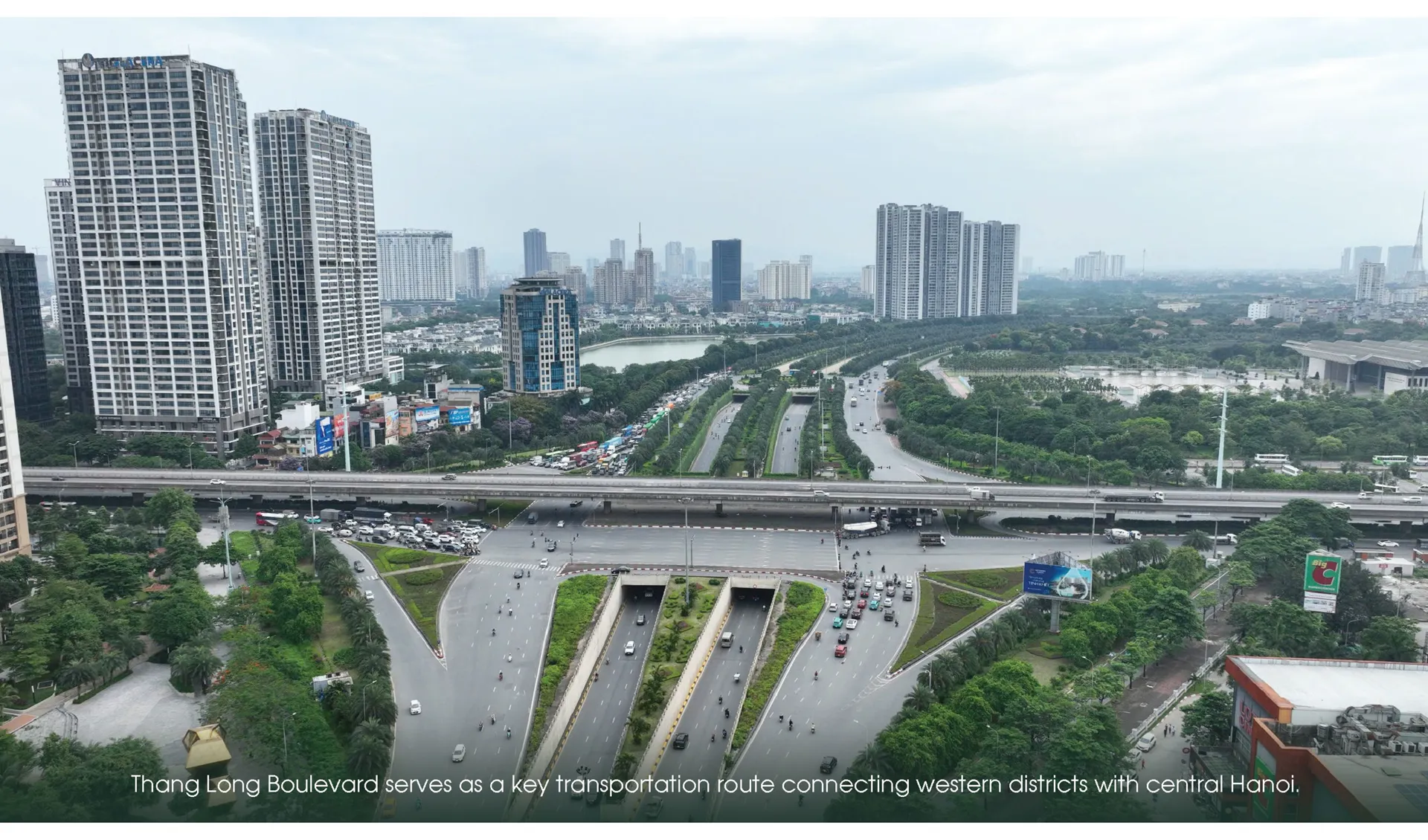
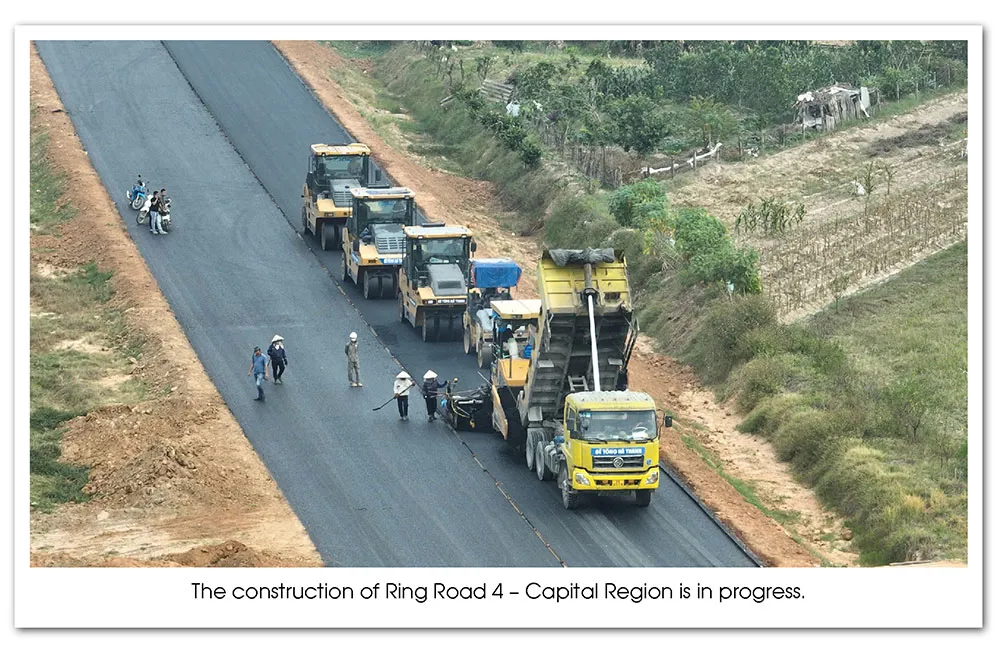
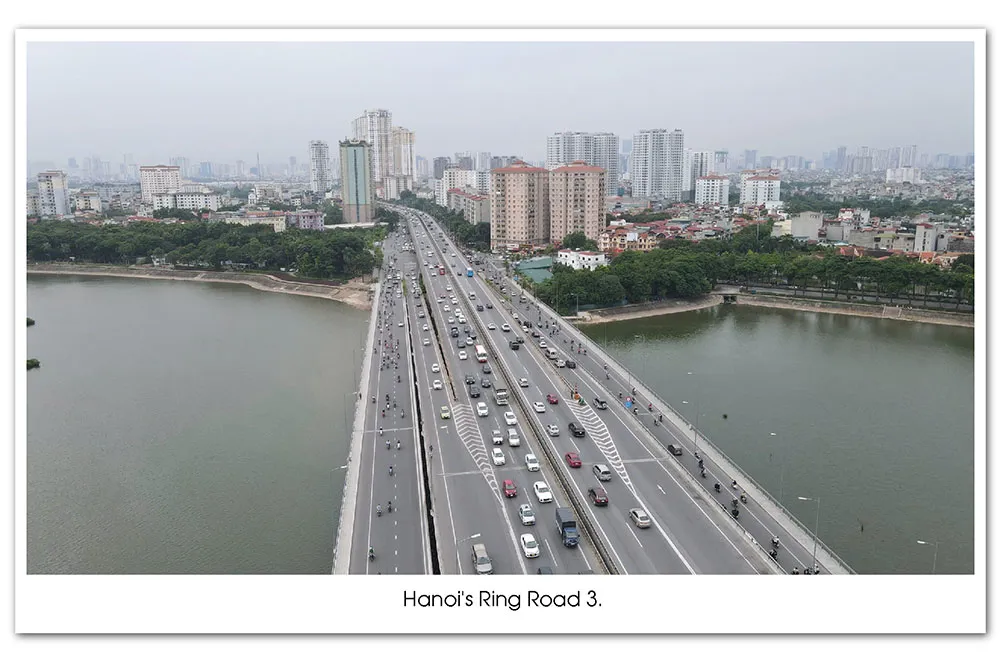
Between 2025 and 2030, Hanoi is projected to need approximately VND400 trillion (US$16 billion) for transport infrastructure development. Of this, around VND130 trillion (US$5.2 billion) will be allocated for road development while VND270 trillion (US$10.8 billion) will be used for urban railway projects. However, the city can cover only 20% of this amount, leaving an 80% funding gap for external sources. This shortfall poses a major challenge to expanding the transport network and easing traffic congestion.
Without stronger policies to attract investors, private enterprises may be reluctant to commit to large-scale projects.
Why have many transport projects become government-funded?
I think this shift should be seen as a project-specific adjustment rather than a fundamental policy change.
Private investment remains critical to infrastructure development both now and in the future. However, the government has had to step in for certain projects because of difficulties in securing private funding. This intervention is necessary to ensure the timely completion of essential infrastructure.
Projects that fail to attract private investors or secure external funding need to be adjusted accordingly. If a project is urgent and cannot afford to wait for private capital, government funding should be provided to accelerate implementation and use. Some projects require immediate financing to alleviate congestion and enhance public transportation.
-1741512562.jpg "Hình ảnh 3")
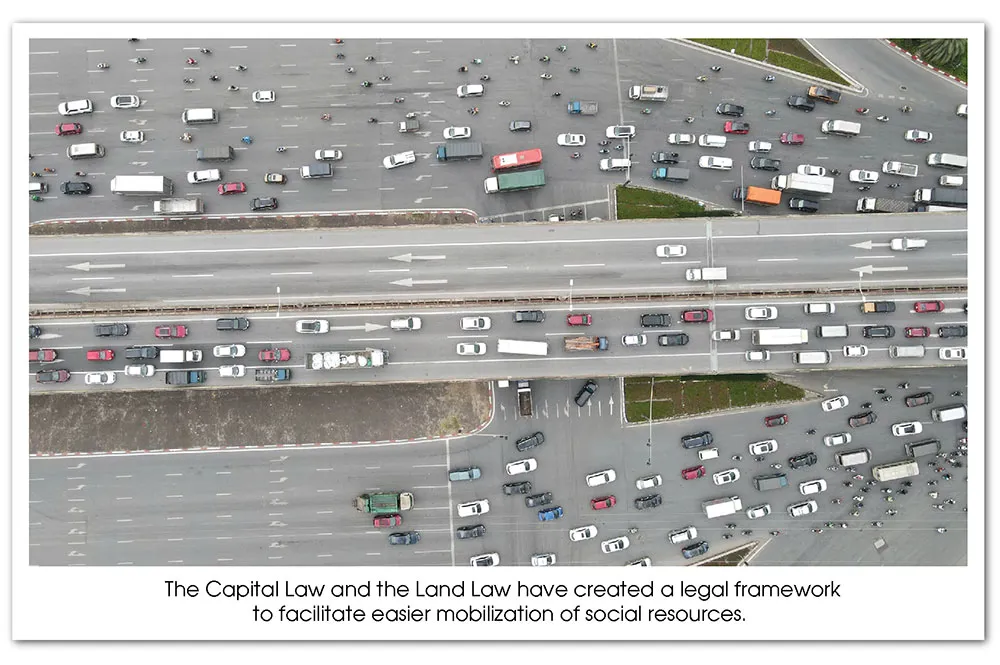
To attract investment, the government has taken steps to improve policies. The Capital Law and the Land Law have established a legal framework aimed at facilitating private sector engagement. As these policies are further refined, investor interest in transport projects is expected to increase. However, the effectiveness ultimately depends on implementation. If the legal framework is overly complex or unreliable, the investors may remain reluctant to commit funds.
How can Hanoi ensure sufficient investment in transport infrastructure?
Several funding sources are available for transport projects, including central and local government budgets, Official Development Assistance (ODA) loans, and private investment. Among these, private investment is the most crucial but also the hardest to secure. Without strong private sector involvement, Hanoi may face difficulties in meeting its funding targets.
Transport projects are sometimes seen unattractive due to uncertain returns, long payback periods, and low profit margins. In the past, many businesses invested heavily in build-operate-transfer (BOT) road projects but later suffered financial losses, and some had to sell or return their projects to the government. These challenges have made investors increasingly cautious about committing to transport infrastructure.
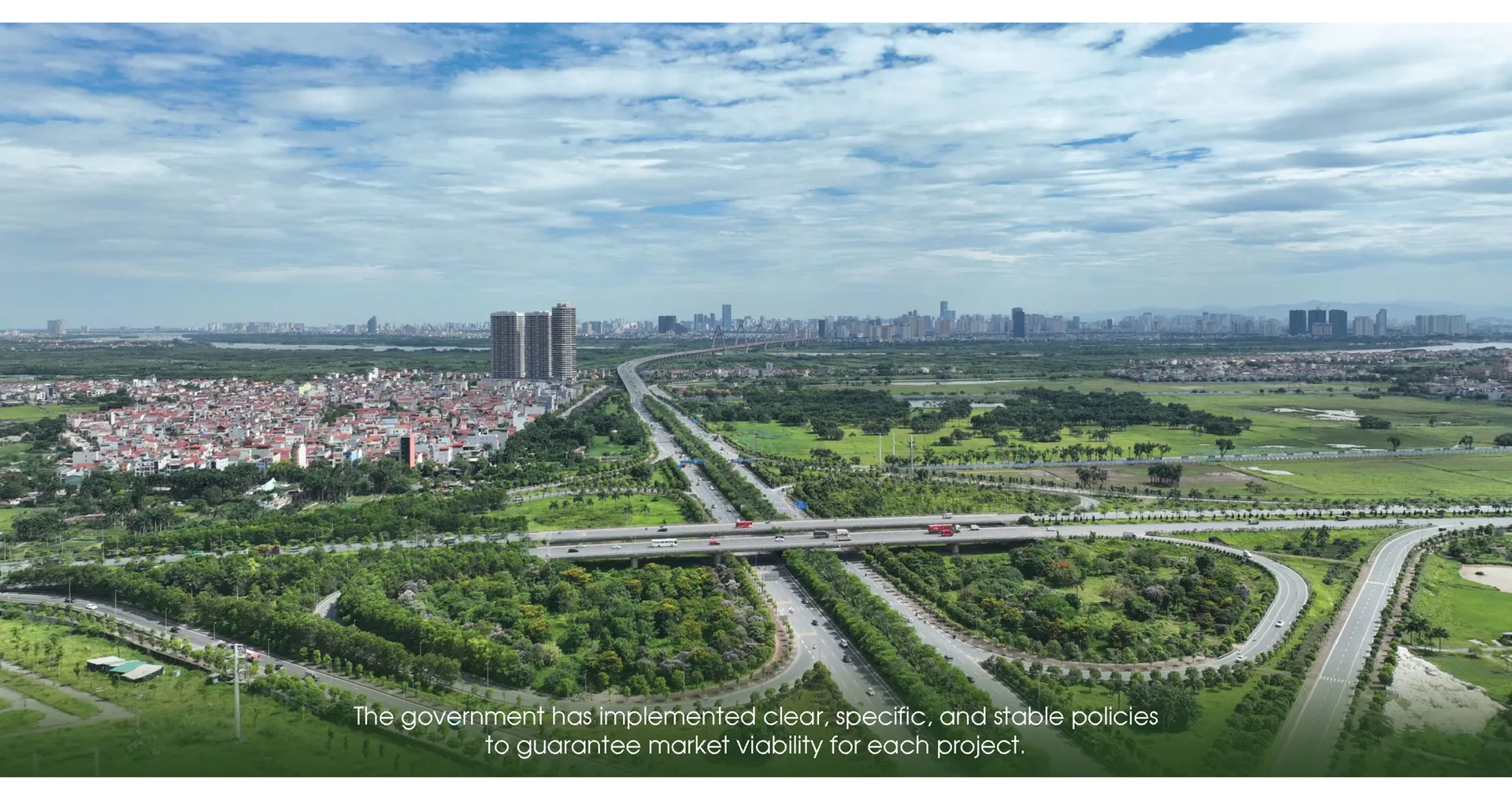
To attract investment, the government must implement clear and stable policies. Investors need the assurance of a predictable return on investment to feel confident in their commitments. If they face uncertainty about policy changes, land use rights, or profitability, they are unlikely to risk their capital.
How can Hanoi guarantee stable returns for investors?
I believe ensuring stable returns requires a revenue model that not only covers costs but also generates profits for investors. It's also crucial that policies and regulations remain consistent over time. At the same time, a favorable investment environment is key to ensuring long-term private sector participation.
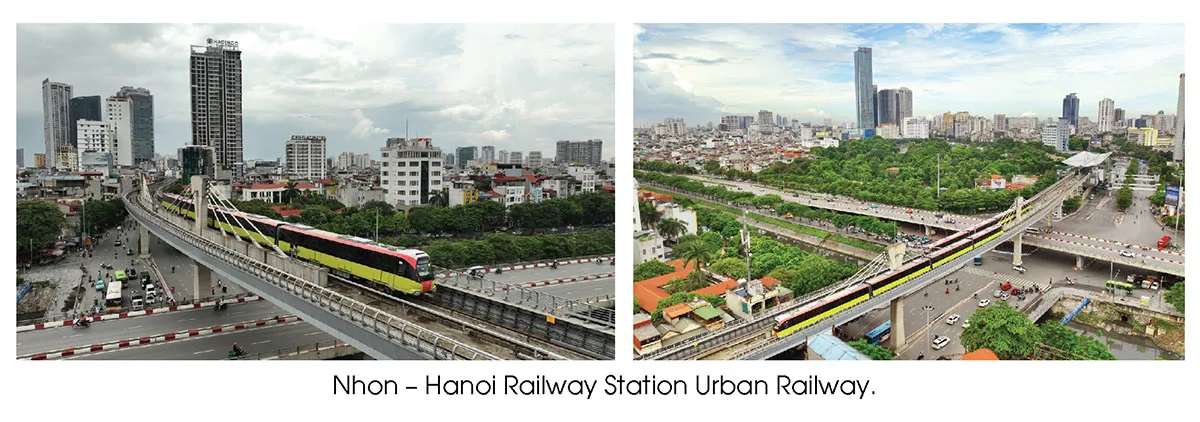
Urban railway projects are increasingly being integrated into the Transit-Oriented Development (TOD) model, which connects transport hubs with residential and commercial areas. To attract private investors, Hanoi must establish clear policies defining the benefits they will receive from TOD projects. Successful implementation of TOD can create a sustainable funding mechanism for urban transport, making these projects more attractive to private capital.
For example, if a company invests in an urban railway, it should be granted specific rights to develop and profit from TOD projects along the line. Clearly articulating these benefits allows investors to assess potential profits and make informed decisions. Without clarity on long-term revenue streams, businesses may be reluctant to invest.
Hanoi is also reintroducing public-private partnerships (PPP) such as build-transfer (BT), in which investors finance and develop infrastructure in exchange for land-use rights. Many companies prefer BT contracts because of their tangible benefits. However, transparency in land valuation and contract terms is important to attracting investors.
What should be considered when using public funds for transport projects?
The government must have well-defined criteria for funding transport projects to ensure effectiveness.
Officials should prioritize projects that are urgent and necessary. Some transport initiatives cannot wait for private funding and require immediate public investment to speed completion and reduce congestion. Rapid delivery helps control costs by preventing inflationary overruns.
Government agencies must strategically allocate capital to maximize its impact. Effective management of public funds reflects the government’s ability to oversee large-scale infrastructure projects.
Hanoi can use public funds to launch “anchor projects” that attract private investment. By financing underground and high-rise parking facilities, the city can later auction off the rights to operate them to private businesses. This approach helps address urgent infrastructure needs and ensure effective capital recovery.
Light rail systems integrated with transit-oriented development (TOD) can also serve as anchor projects. If the government finances the initial rail construction, private investors are more likely to finance additional lines. A well-connected urban rail network is far more attractive than a single, isolated line. Case studies from other cities show that well-executed TOD projects can generate substantial long-term returns.
Maintaining transparency in budgeting, contracting, and execution is critical to building public confidence and attracting additional investment. Strong management of public resources would help Hanoi strengthen its position when negotiating future financing agreements with domestic and international partners.
Hanoi has launched an expanded plan to combat HIV/AIDS in 2025, aiming to improve early detection, increase access to treatment, and enhance harm-reduction interventions.
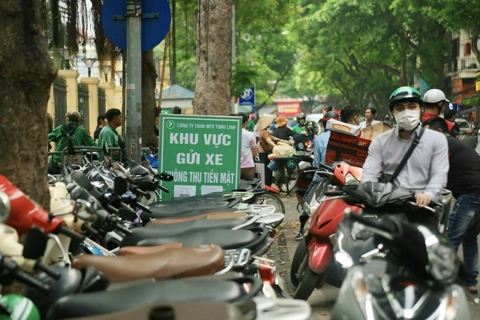
Hanoi is advancing its efforts to integrate technology into urban management by expanding the pilot program for cashless parking payments across the city.

Flower tourism is creating more highlights that contribute to enhancing the appeal of Hanoi Capital.
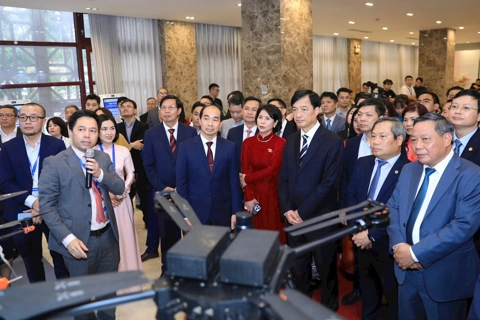
Hanoi sets 2026 as a breakthrough year for healthcare reform, accelerating digital transformation, restructuring hospital networks and tightening food safety management under Politburo Resolution 72.
26 Feb, 10:47 PM
The new innovation center is designed to connect policy, technology and talent, aiming to accelerate digital transformation, support startups and position the capital as a global testing hub for emerging technologies and creative industries.
26 Feb, 10:21 PM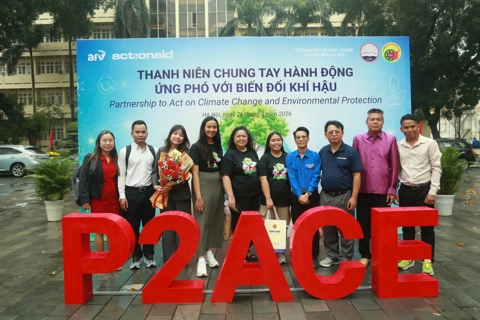
Young innovators from Vietnam and across ASEAN presented practical climate solutions in Hanoi, highlighting grassroots initiatives tackling plastic waste, renewable energy and sustainable livelihoods.
26 Feb, 05:00 PM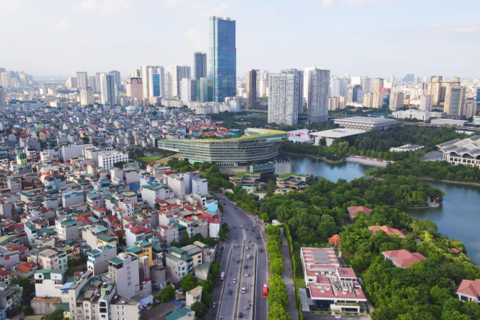
The goal is to turn policies into outcomes under the principle of “less talk, more action, effective results to the end, all for the capital and its people.”
26 Feb, 04:15 PM
Home to more than 680 million people, many in vulnerable coastal and low-lying areas, ASEAN is on the front line of climate change, facing rising seas, fiercer storms, prolonged droughts and accelerating biodiversity loss that endanger the region’s economic resilience and social stability.
26 Feb, 07:15 AM
Hanoi has unveiled an ambitious five-year plan to reform governance, mobilize public assets and restructure state enterprises, aiming to turn the state economy into a powerful engine of sustainable growth.
25 Feb, 09:55 PM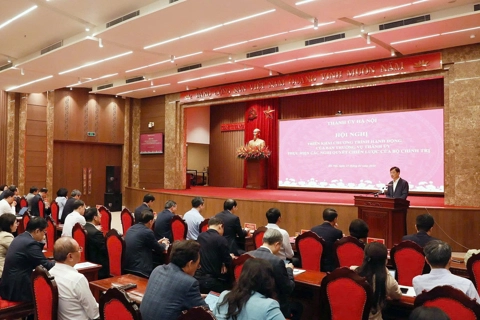
Hanoi launches comprehensive action plans to implement Politburo Resolutions 71, 72, 79 and 80, prioritizing people-centered reforms in education, healthcare, culture and state economic development.
25 Feb, 05:17 PM
More young Vietnamese families choose travel over staying home during the Lunar New Year holiday, seeking fresh experiences while keeping core traditions intact.
24 Feb, 09:58 PM