Hanoi to join ASEAN capitals in building Zero Waste Cities network
This plan is part of the city’s broad vision to strengthen urban connections and develop in step with its regional counterparts.
THE HANOI TIMES — Hanoi is planning to work with capitals such as Singapore, Bangkok, and Kuala Lumpur to form a Zero Waste Cities network.
The move is based on commitments reached at the Meeting of Governors/Mayors of ASEAN Capitals (MGMAC) and the ASEAN Governors and Mayors Forum (AGMF) 2025.
Hanoi commits to becoming a greener city
A delegation from Hanoi, led by Standing Vice Chairman of the Hanoi People’s Committee Le Hong Son, attended the events held in Kuala Lumpur, Malaysia, from August 12 to 14, showing the city's cooperation agenda extends far beyond waste management.
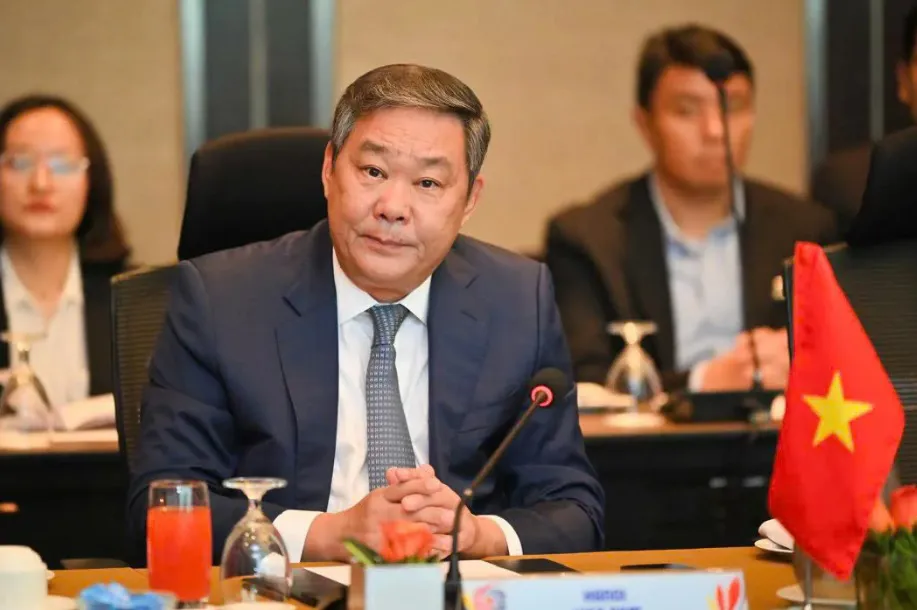
Standing Vice Chairman of the Hanoi People’s Committee Le Hong Son attends Meeting of Governors/Mayors of ASEAN Capitals (MGMAC). Photo: The Hanoi Times
The city aims to deepen regional collaboration with other ASEAN capitals on urban digital infrastructure, open data governance, and e-government systems.
Plans also include fostering innovation-driven economies through creative urban spaces, innovation hubs, and links between high-tech industrial parks. Priority projects will target green infrastructure, social housing, sustainable transport, and digital transformation.
These measures are designed to tap into ASEAN’s dynamic development resources, boosting Hanoi’s socio-economic growth while contributing to the bloc’s shared prosperity and competitiveness, as per the city government's report on the events.
Through its active role in both meetings, Hanoi shows itself to be a proactive partner in ASEAN’s urban development agenda, signaling a strong commitment to building greener, smarter, and more inclusive cities for the future.
ASEAN capitals join hands to solve urban issues
At the MGMAC meeting on August 13, leaders from ASEAN capitals underscored the pivotal role of cities in supporting national policies and tackling shared urban challenges such as waste management, infrastructure gaps, and climate change.
The gathering adopted the MGMAC 2025 Joint Communiqué, establishing the MGMAC Cities Network to share knowledge, coordinate strategies, and advance the Sustainable Development Goals (SDGs) and the New Urban Agenda (NUA).
The meeting also supported the participation of ASEAN capitals in UN-Habitat’s Waste Wise Cities program, which requires annual reporting on waste management.
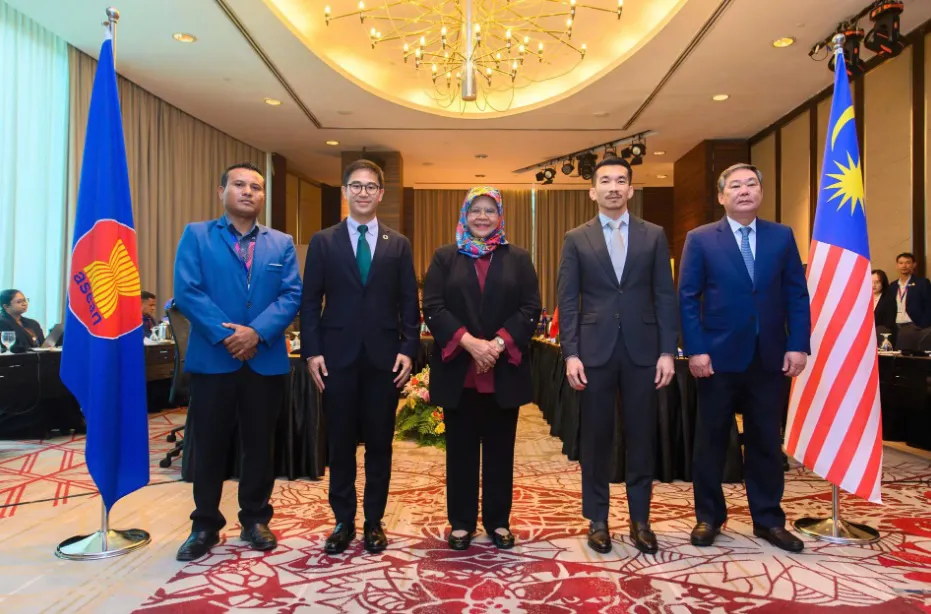
Kuala Lumpur's Mayor Maimunah Mohd Sharif (C) takes photo with ASEAN capitals’ leaders.
On financing these programs, ASEAN capitals' leaders at the meeting committed to mobilizing local-level investment from the United Nations system, the World Bank, and the Asian Development Bank, as well as technical and financial support from initiatives such as COP27 Surge, COP28 CHAMP, and COP29 MAP.
They also endorsed a proposal from Jakarta, Kuala Lumpur, and Singapore to establish a permanent MGMAC Secretariat to oversee commitments and prepare for future meetings.
During the meeting, the Hanoi delegation joined the AGMF 2025, presenting the city’s development strategies.
The forum adopted the Kuala Lumpur Declaration on Sustainability 2025, committing to strengthening ASEAN identity through local initiatives, advancing priorities in line with the ASEAN 2045 vision, institutionalizing cooperation among local governments, localizing and accelerating climate commitments, and promoting municipal-level investment.
The AGMF, formally the ASEAN Mayors Forum (AMF), was established in 2011 - a key platform for local governments across Southeast Asia to integrate, cooperate, and foster collaboration among a broader range of urban leaders in the region.