Hanoi to pilot 16-passenger vehicle downtown restriction
The pilot restriction will take effect from March 1, in the morning from 6:30 AM to 8:30 AM and in the evening from 4:30 PM to 6:30 PM.
Hanoi will trial a ban on vehicles with more than 16 seats on certain streets in the Old Quarter and around Hoan Kiem Lake during peak hours from March.
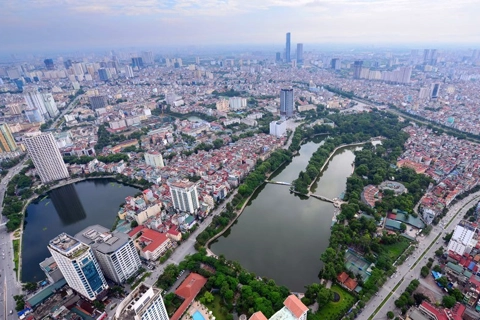
| Areas surrounding Hoan Kiem Lake. Photo: Cong Tho/The Hanoi Times |
The move came as the Hanoi People's Committee has approved a proposal from the Department of Transport to trial the restriction. Vehicles with more than 16 seats will be banned, except for buses and school transport vehicles.
The pilot restriction will take effect from March 1, in the morning from 6:30 AM to 8:30 AM and in the evening from 4:30 PM to 6:30 PM. After six months, the authorities will assess the impact and report back to the city for further consideration.
To facilitate travel for residents and tourists, the city will set up four transit points at Ba Trieu, Tran Nhat Duat, Phung Hung, and the Dong Xuan Market area for passengers to transfer from restricted vehicles to non-fossil fuel to their destinations.
According to the Department of Transport, restricting vehicles with more than 16 seats in these areas will help reduce congestion in the Old Quarter, especially at peak times. The measure is also expected to improve air quality, reduce emissions, protect public health, and preserve a cleaner urban environment.
In mid-2024, during a meeting prior to a session of the city's People's Council, residents of Hoan Kiem District raised concerns about large tourist buses, particularly 45-seater vehicles, causing congestion, especially during the morning and evening rush hours. They suggested that the city allocate land outside the Red River dyke or other locations for parking and operate small shuttle buses from 5:00 AM to 8:00 AM and from 4:00 PM to 8:00 PM to transport visitors, thereby reducing traffic density in the Old Quarter.
In response, the Chairman of the Hoan Kiem District People’s Committee Pham Tuan Long said that the district had proposed restricting large vehicles from entering the Old Quarter and limiting bus routes passing through major thoroughfares to ease congestion.
The district leader noted that since the introduction of pedestrian-only streets, some areas have experienced congestion, especially at weekends. The district has worked with relevant agencies to study traffic organization, including setting up parking zones at the Opera House Garden and May 1 Square, adjusting local congestion points, and increasing the use of small buses within the district.
The Old Quarter covers approximately 80 hectares and includes 10 wards: Hang Dao, Hang Bac, Hang Gai, Hang Bo, Hang Bong, Hang Buom, Hang Ma, Cua Dong, Dong Xuan, and Ly Thai To. Hoan Kiem Lake occupies an area of about 12 hectares and is surrounded by Dinh Tien Hoang, Ly Thai To, and Hang Khay streets.
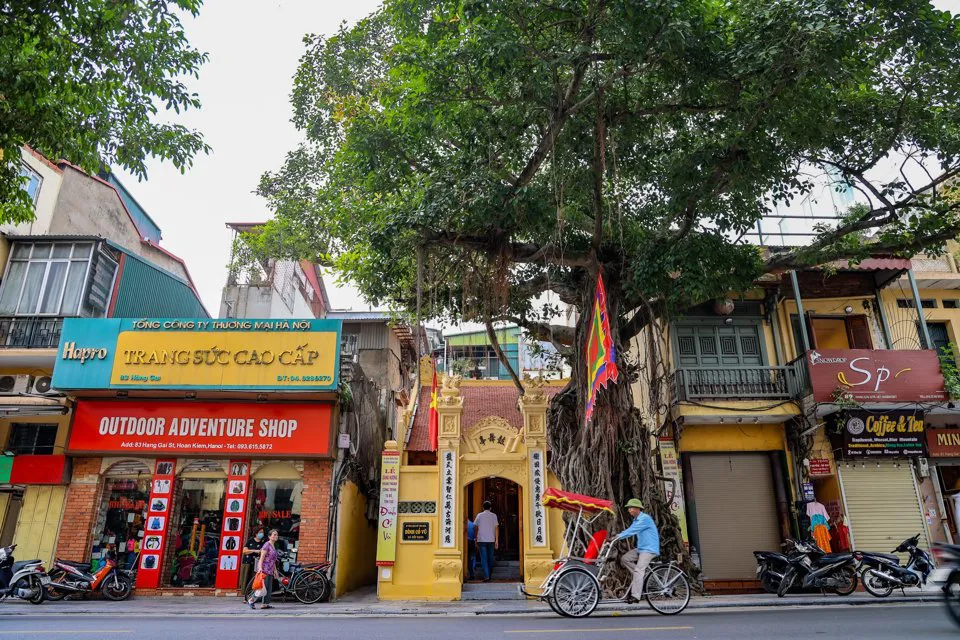
| The restricted streets include Hang Giay, Dong Xuan, Hang Duong, Hang Ngang, Hang Dao, and Dinh Tien Hoang; as well as Hang Dau, Tran Nhat Duat, and Nguyen Huu Huan leading into the Old Quarter, together with Ly Quoc Su, Nha Tho, Nha Chung, Quang Trung (from Trang Thi to Nha Chung), Au Trieu, Bao Khanh, Hang Trong, Ngo Hang Hanh, and Ngo Bao Khanh. |