Hidden costs of buying cheap online in Vietnam
Disappointment is the hidden costs that often outweigh the savings of buying cheap online, even when it looks like a bargain.
In today's Words on the Street, we discuss the cheap stuff that is flooding online markets, a topic that Vietnamese internet consumers are all too familiar with. We've all had our adventures sifting through the never-ending sea of cheap stuff, whether it was a tempting deal or an unfortunate purchase.

I have to admit that, like many others, I've been attracted to these irresistibly cheap products. My experiences with them have been mixed - at times I've been thrilled, but at other times I've been absolutely furious. It's hard not to be tempted by the idea of saving a bit of money, but over time I've become wiser. I now think twice before I click 'buy'. Sure, I still appreciate a good deal, but I don't let price alone dictate my shopping decisions.
One negative incident that really stands out is when I thought I had bought a product at a discount, only to find it was a fake and the quality was much worse than I had expected. It was annoying to have to throw things away after only a little use. On the flip side, I've also found some amazing bargains, especially on high-margin products like screen protectors and phone accessories. In some cases, buying online saved me a lot of money compared to buying the same items in bricks and mortar stores.
Interestingly, much of this behavior makes sense when viewed through the lens of behavioral economics, particularly in light of the concept of hyperbolic discounting. According to this hypothesis, people tend to make hasty decisions when presented with inexpensive items because we prefer smaller, immediate benefits to larger, delayed ones. Despite our suspicions that the quality may not hold up over time, we still want the rush of a deal now. Saving money is important, but so is the emotional fulfillment that comes from getting something "extra" for less.
It's not just customer demand that's driving the proliferation of low-cost goods on Vietnam's online markets. Vietnam's position as a growing industrial hub plays a significant role. Many factories now sell directly to consumers via e-commerce, cutting out the middleman and driving down prices. Vietnam's logistics infrastructure has also advanced significantly. In fact, due to proximity and improved freight networks, it's sometimes cheaper to ship a product from China than it is to have it delivered within the country.
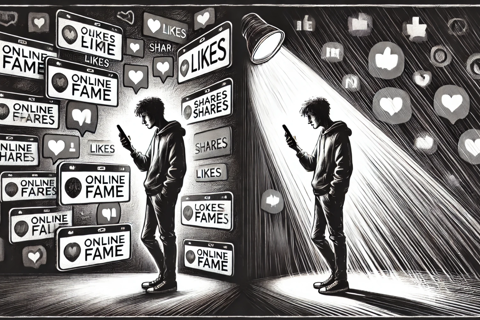
Another interesting angle is how cheap goods, especially from platforms like Shopee or Lazada, tap into the Veblen goods theory, but in reverse. Veblen goods are typically considered luxury items, and as their price rises, so does consumer demand; consumers buy them specifically for their high cost and status symbolism. But in the case of cheap online goods, it's the viral aspect of these products that increases their status. People, especially young people, flaunt their ability to find trendy, affordable items almost as a badge of honor. It's the opposite of consumer pride, where being a deal-savvy person becomes an integral part of who they are.
At first glance, this seems like a win for consumers' prices and more choices. But there are risks. The more we flood the market with cheap, disposable goods, the more we feed a culture of overconsumption that has far-reaching implications. From an environmental perspective, the rise of fast, cheap products contributes to planned obsolescence and e-waste - particularly troubling for items like electronics, or even simple things like phone cases and chargers. These products are often made from materials such as plastic that take centuries to decompose. These products have a much shorter lifespan than the environmental cost of production.
While premium brands are shielded to some extent by their consumer base, smaller local companies face more pressure. All in all, I don't think this trend toward cheap products necessarily hurts high-end brands. Premium brands serve a distinct market of customers who appreciate the deeper meaning of the brand and the experience it provides in addition to the product itself. These customers are likely to remain loyal even when cheaper alternatives are available. The flood of low-cost options is forcing smaller companies to become more inventive and aware of the psychological needs of their clientele. It's a challenge, but one that can lead to more in-depth differentiation and product development.
This also raises regulatory issues. While the rise of cheap goods poses its own challenges, the bigger issue is health and safety. Products that directly affect consumers' well-being, such as food, cosmetics or children's toys, should be closely regulated. There's a growing body of toxicology research showing that many low-cost products - especially counterfeit ones - contain harmful substances. For example, counterfeit cosmetics may contain high levels of heavy metals such as lead or mercury, which have long-term health effects. Stronger enforcement is needed to ensure that these goods meet safety standards, especially as the online market continues to grow.
As we move forward, it's important to balance the lure of cheap online goods with an awareness of their impact - not just on our wallets, but on our environment, our local businesses, and our well-being. While it may seem impossible to stop the flow of cheap goods, we can help the economy by becoming more educated consumers and making better choices that benefit both ourselves and the larger market.