Ho Chi Minh Memorial Museum in Ban Dong honors Vietnamese leader's time in Thailand
It is one of three historical sites in Thailand dedicated to President Ho Chi Minh.
The Ho Chi Minh Memorial Museum in Ban Dong, Pamakab Commune, Phichit Province, is a meaningful landmark preserving the memory of President Ho Chi Minh's revolutionary activities in Thailand.
| The image of Ho Chi Minh at the museum. Photos: VNA |
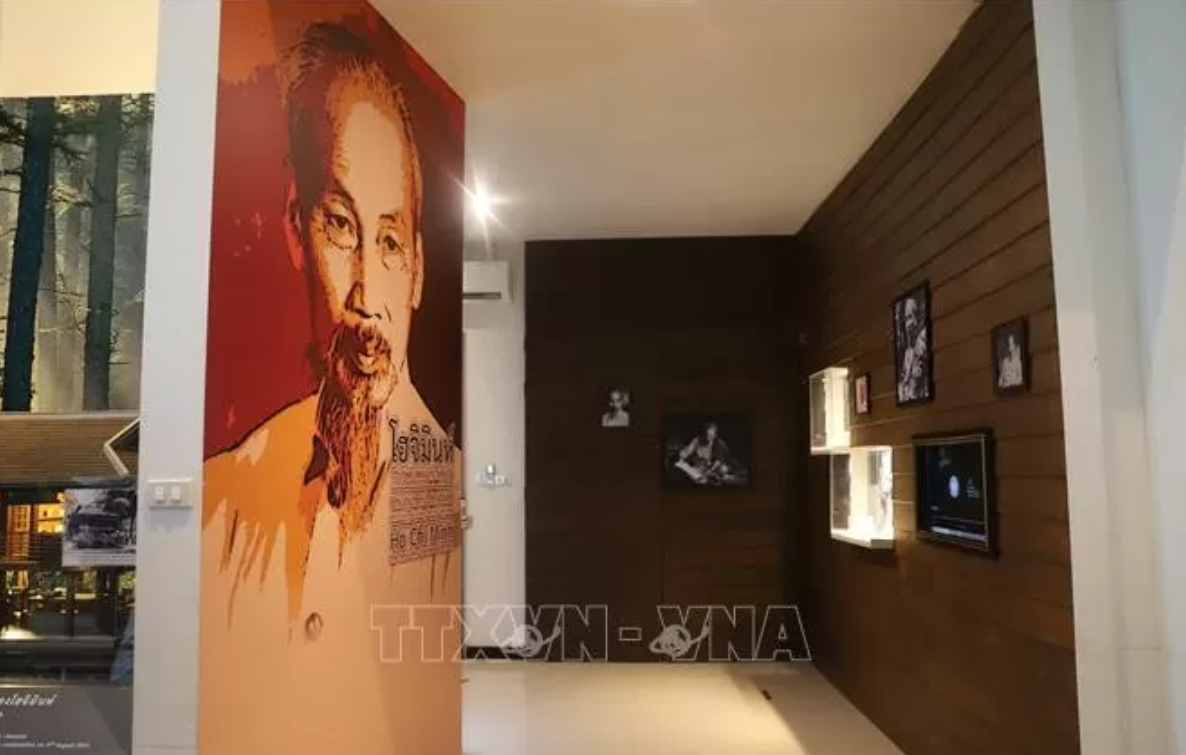
The Ho Chi Minh Museum in Ban Dong, Pamakab Commune, Phichit Province, located approximately 350 km north of Bangkok, Thailand, began construction in 2013 and was inaugurated in 2018. It is one of three historical sites dedicated to President Ho Chi Minh in Thailand. This unique project, fully funded by the Thai government and local authorities, reflects the longstanding friendship between the two Southeast Asian nations.
Designed by the Faculty of Architecture, Naresuan University in Phitsanulok Province, the museum emphasizes scientific, modern, and visitor-friendly principles to cater to a diverse audience. The museum features a permanent exhibition entitled Unveiling the Mysteries of President Ho Chi Minh in Ban Dong through Thai-Vietnamese Memories, with sections covering themes such as Thai-Vietnamese relations, Ban Dong's history, President Ho Chi Minh's activities in Siam (the former name of Thailand), and the liberation struggle.
The Phichit Provincial Government regards the museum as a symbol of Thai-Vietnamese friendship and continues to invest in its maintenance and expansion. During a December 12 visit, led by Vietnamese Ambassador Pham Viet Hung, Phuri Hong Thong, the museum's manager, highlighted that since its opening in 2018, the museum has become a prominent cultural and educational destination in Phichit. It has welcomed various groups, including businesspeople, senior citizens, students, and international visitors.
After the disruptions caused by the COVID-19 pandemic, the museum plans to resume activities, such as organizing a mini-marathon called Following in Uncle Ho's Footsteps from the Museum to Phichit Railway Station in 2025. This initiative aims to raise public awareness of President Ho Chi Minh's historical presence in Thailand, particularly in Ban Dong.
| Ambassador Pham Viet Hung at the museum. |
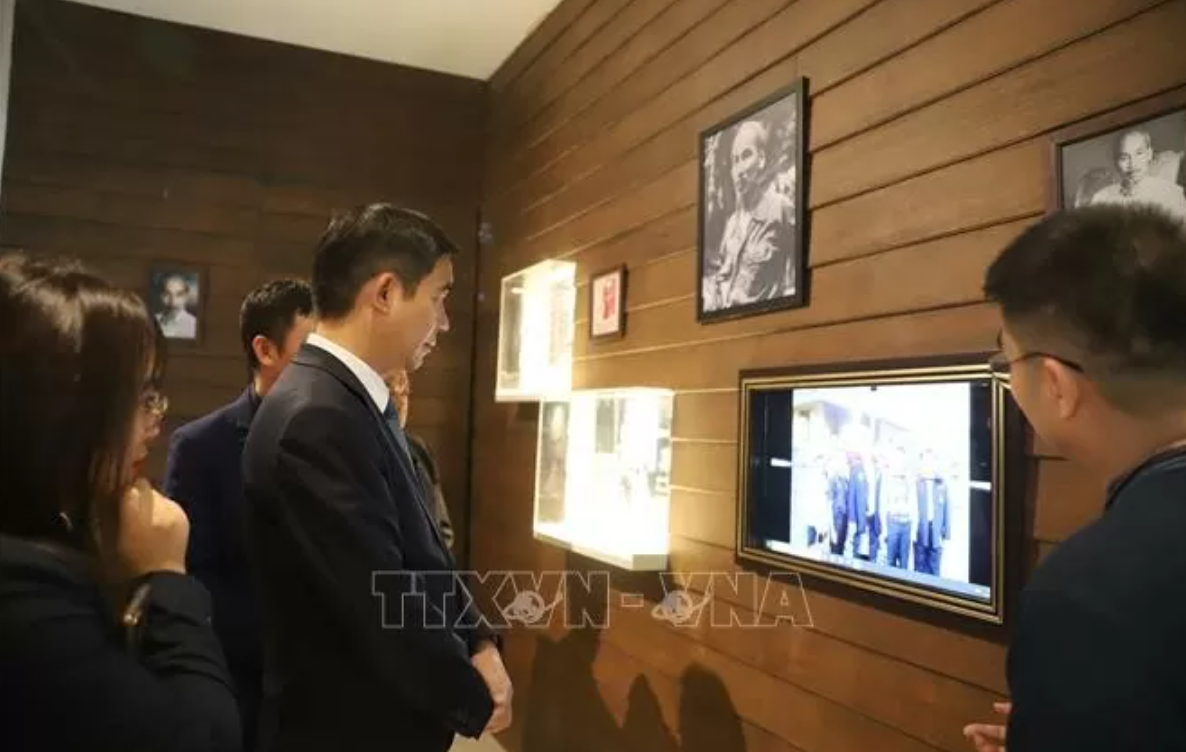
Ambassador Pham Viet Hung expressed his admiration for the museum's logical design, with exhibits and artifacts labeled in Vietnamese, Thai, and English. He emphasized the museum's role in vividly recounting Ho Chi Minh's revolutionary activities in Thailand while showcasing local cultural history and the enduring friendship between the Vietnamese and Thai peoples.
The ambassador thanked the Thai authorities and locals for their efforts to preserve and promote the historical significance of the site. He pledged the Vietnamese Embassy's support for activities, such as collecting documents and artifacts for the museum and collaborating in events to raise public awareness.
The museum has also engaged the local Vietnamese community, Thai authorities, and private organizations to help preserve and share the historical and cultural values of Ban Dong and President Ho Chi Minh. Le Viet Trong, Vice Chairman of the General Association of Vietnamese in Thailand and Chairman of the Vietnamese Association in Chaiyaphum Province, expressed his deep appreciation for the museum. He noted that it offers Thai-Vietnamese residents an opportunity to connect with President Ho Chi Minh's legacy in Phichit.
| The ambassador and the delegation at the museum. |
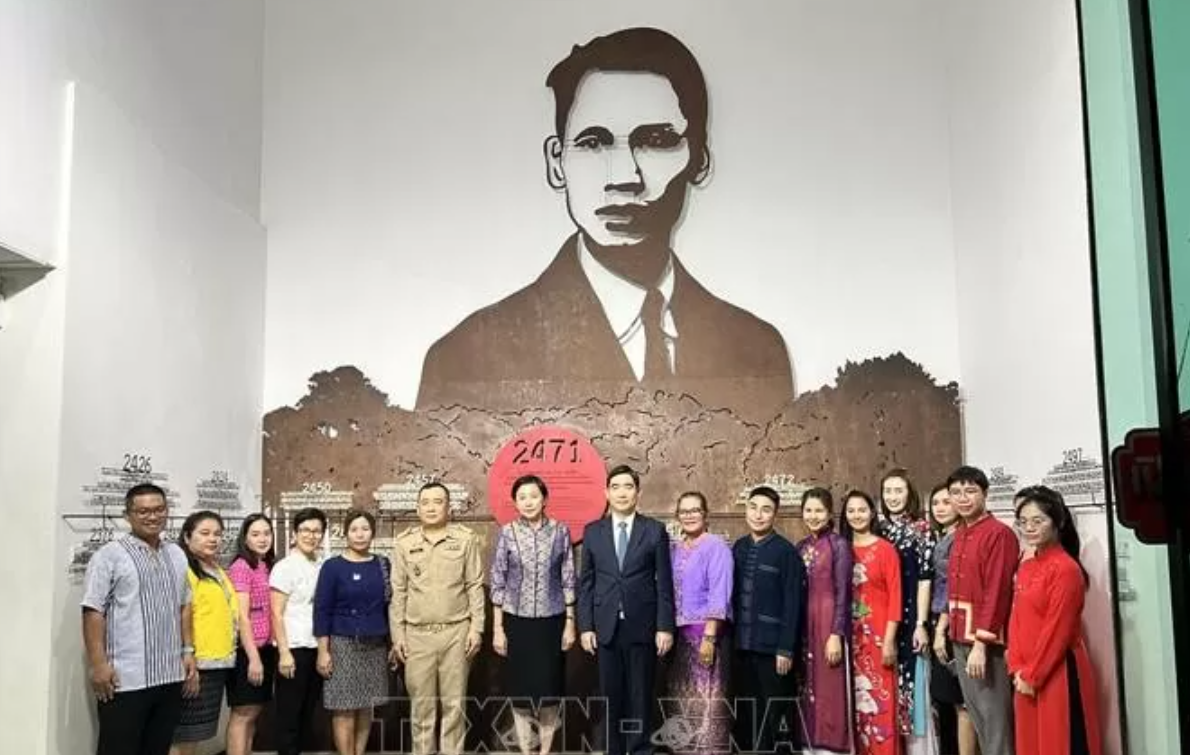
Going forward, the General Association plans to promote the site further, organize tours for Vietnamese expatriates in Thailand, and work with Pamakab authorities to explore opportunities for cooperation in developing the museum’s development.
Earlier, Ambassador Pham Viet Hung's delegation met with Phichit Provincial leaders. Acting Provincial Governor Taneeya Naipinit welcomed the ambassador and expressed her desire to strengthen ties with Vietnam, particularly in agriculture. The province's products, such as fragrant rice and mangoes, are already present in Vietnam. Provincial leaders also expressed interest in establishing a partnership with a Vietnamese locality to foster closer cooperation.
To develop the patriotic movement of the Vietnamese people, revolutionary leader Nguyen Ai Quoc (or Ho Chi Minh) moved from Europe to Thailand (then called Siam) from Europe in July 1928 to carry out activities. After a short period of work in Bangkok, President Ho Chi Minh traveled to Ban Dong, where there was a small community of about 20 Vietnamese families. After leaving Phichit, he spent most of his remaining time in Thailand spreading patriotism among Vietnamese expatriates in the northeastern provinces of Thailand. Phichit holds a significant place in the history of the Vietnamese Revolution, marking the time when leader Ho Chi Minh returned from Europe to prepare for the establishment of a single political party to lead the revolution in Vietnam. In late 1929, President Ho Chi Minh left the Land of the Golden Pagoda and traveled to Hong Kong, China, to organize a meeting to unify the communist organizations of Vietnam and form a single political party to lead the national liberation struggle of the Vietnamese people. |