Hong Van Commune rises as Hanoi’s emerging model for community-based tourism
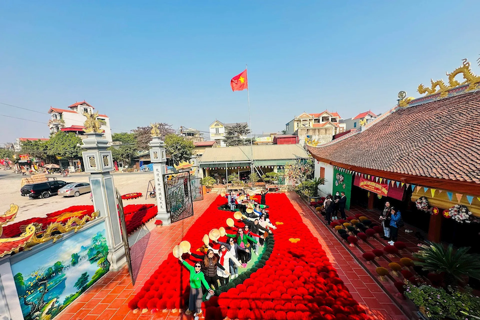
Blessed with natural beauty, strengthened by deep cultural heritage and supported by its residents, Hong Van Village is emerging as one of Hanoi’s most distinctive tourism destinations. From ecology and agriculture to handicrafts and festivals, this Red River village is shaping a dynamic vision of sustainable community tourism for the capital.
THE HANOI TIMES — Blessed with rich Red River soil, deep-rooted traditions and a community determined to protect its heritage, Hong Van Village is becoming one of Hanoi’s most fascinating rural destinations.
What was once a quiet agricultural area is transforming into a lively hub of ecological experiences, traditional crafts and cultural activities that draw visitors seeking authenticity, beauty and connection.
Hong Van’s tourism story begins with the landscape that surrounds it.
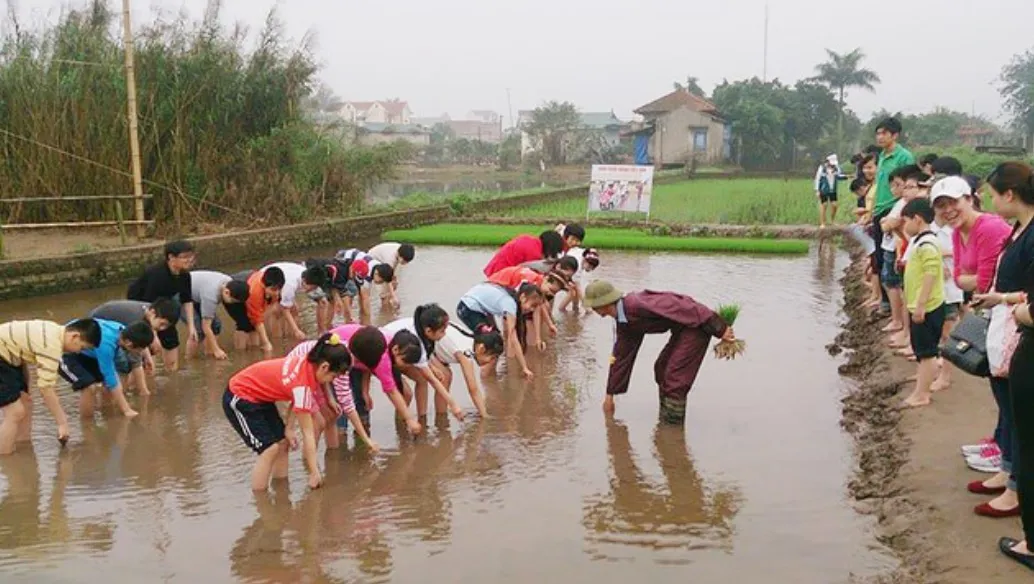
The commune still preserves the classic scenery of northern Vietnam: fertile fields, fragrant flower gardens, bonsai orchards and the slow rhythm of everyday rural life.
Layered onto that setting is a growing tourism ecosystem shaped by the creativity of villagers who now embrace the idea that heritage grows stronger when shared.
Together, they are turning Hong Van into a model destination that blends nature, culture and community-based development.
Le Tuan Dung, Chairman of the Hong Van Commune People’s Committee, said the area has all the elements needed to stand out: the rural charm of a northern village, heritage linked to the legend of Chu Dong Tu and Princess Tien Dung and the renowned Ha Thai lacquerware village.
To him, these assets form a strong base for green, sustainable tourism that supports the local economy while protecting cultural identity.
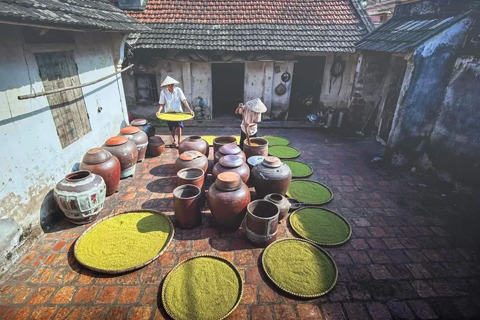
Hong Van’s story stretches back many centuries. As an ancient settlement beside the Red River, the commune developed through agriculture, craft traditions and spiritual beliefs that shaped generations.
Those roots remain visible today, especially in the ornamental-plant craft that earned Hong Van recognition as a tourism destination in 2018.
The area has continued to rise, earning a 4-star OCOP ranking in 2024 and the ASEAN Community Tourism Award the same year.
These achievements reflect Hong Van’s ability to attract visitors seeking ecology, agriculture, cultural experiences and hands-on activities.
The commune is home to more than 30 skilled bonsai artisans. Their gardens, shaped through years of work, are now popular attractions.
Visitors walk through fields of blooming flowers, learn how to shape a miniature bonsai tree, plant seasonal flowers and explore traditional farming methods.
Each experience offers travelers a chance to connect with the land and understand rural life along the Red River.
When spring arrives, peach blossom gardens turn the village into a pink canvas, drawing families, photographers and young travelers.
Hong Van’s cultural identity appears clearly in its heritage sites.
Sam Xuyen Communal House is recognized nationally, while the Sam Thi Temple and Communal House hold city-level status. The Chu Cu Van Temple and the New Market of Ong Gia link directly to the story of Chu Dong Tu.
Festivals such as the Chu Dong Tu–Tien Dung Festival and the Love Festival attract large crowds each year, adding spiritual color to the local tourism scene.
Tourism numbers show impressive growth: 120,000 visitors in 2023, 130,000 in 2024 and more than 120,000 domestic visitors during January-September of 2025.
Tourism revenue surpassed VND20 billion (US$760,000) in 2024, helping raise average household income to nearly VND80 million ($3,000).
Chairman Dung said the ASEAN award marks a significant milestone for the commune and confirms its commitment to sustainable tourism.
Local residents feel the benefits. Bonsai artisan Nguyen Van Tinh said visitor numbers grew quickly after the site received official recognition.
“They no longer just admire the trees,” he said. “They join craft workshops and seasonal flower arranging. Many families see their income rise.”
Flower grower Pham Thu Hien shared how tourism changed her own household.
“Before, we grew flowers only to sell. Now, visitors join planting activities and take photos in our gardens. We keep our craft alive and earn more,” she said.
Ha Thai lacquerware arts stand out
To the west of Hong Van Commune lies Ha Thai Village, one of Vietnam’s most important lacquerware centers.
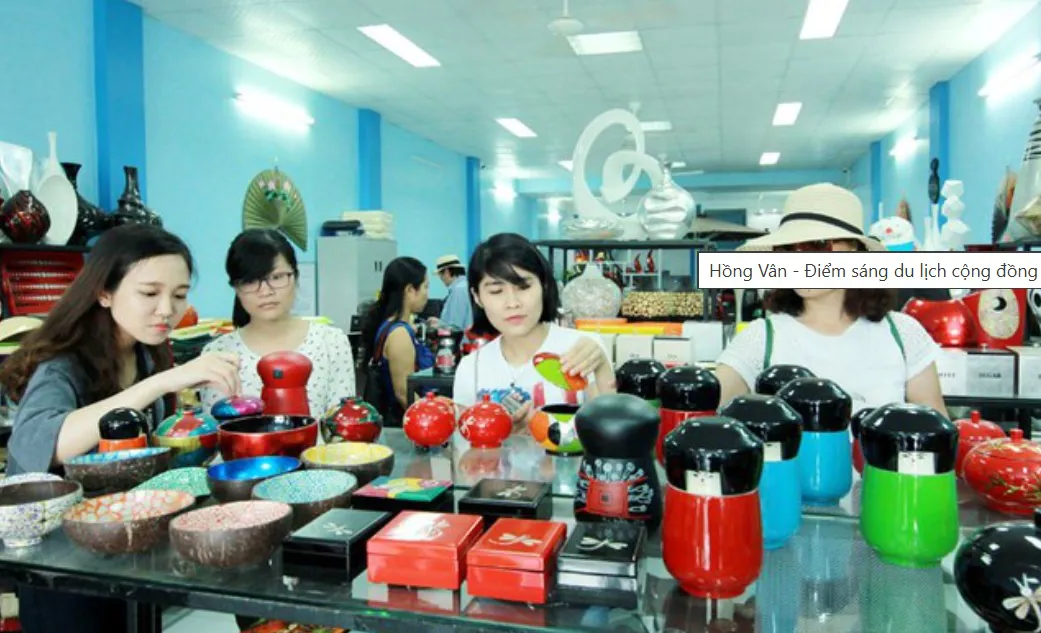
Visitors experience and shop at the Ha Thai lacquerware craft village. Photo: VGP
This craft community strengthens the commune’s tourism value with artistry and heritage. More than 800 households practice lacquer art, creating jobs for about 1,600 workers.
Ha Thai was recognized as a tourism destination in 2020 and now welcomes thousands of visitors each year.
Artisans have preserved traditional techniques such as sanding, lacquering, gilding and mother-of-pearl inlay, allowing visitors to experience the production themselves and leave with a deeper appreciation for the craft.
Signature OCOP 4-star products, including Tung Hac lacquer paintings and lacquered ceramic vases, prove the village’s quality.
Ha Thai’s tourism area consists of four zones: a cultural zone, a production and hands-on area, an exhibition and dining area and a traditional craft quarter lined with old houses.
International visitors often find Hong Van surprisingly authentic.
German traveler Anna Schneider said the village offered one of the most sincere community-tourism experiences she had seen in Asia.
After trying bonsai shaping and watching lacquer artists at work, she understood why residents protect their crafts with pride.
She said the atmosphere, people and shared vision for sustainable tourism made her feel optimistic about the future of the area.
Chairman Dung said each lacquer product represents both creativity and cultural identity and he hopes to see the village develop into a destination comparable to other signature places in Hanoi.
Hong Van aims to turn tourism into a leading economic sector. By 2030, it hopes to welcome 1.5 million domestic visitors and 5,000 international travelers annually, with tourism revenue reaching VND100 billion ($3.8 million).
To reach this goal, the commune focuses on unique tourism products, digital transformation and better connections along the “Southern Thang Long Heritage Road”. Infrastructure upgrades continue to improve access between destinations.
Keeping the name Hong Van after administrative restructuring helps maintain the brand linked to agricultural tourism and ornamental crafts.
The commune regularly organizes training programs so residents can strengthen tourism skills. Many families now redesign their home businesses to serve visitors, forming a sustainable community economy.
Chairman Dung emphasized that community tourism rooted in cultural preservation defines the commune’s direction.
With cooperation between residents and authorities, he believes Hong Van will become a “livable rural village” and a compelling destination for travelers visiting Hanoi.
Hong Van’s transformation shows that when heritage is honored and a community works together, tourism becomes a source of prosperity, pride and long-lasting vitality.