Inclusive approach required for Hanoi’s urban restructuring process: Expert
It is essential for Hanoi to put mechanisms and policies in place to ensure that all stakeholders benefit.
Prof. Dr. Choi Jong-Kwon, a leading South Korean expert in planning and urban construction, spoke to Hanoimoi Newspaper on how Hanoi could achieve a successful urban restructuring process.
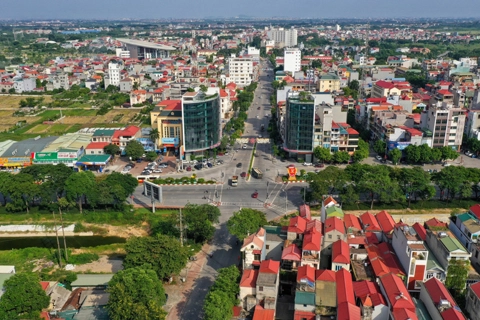
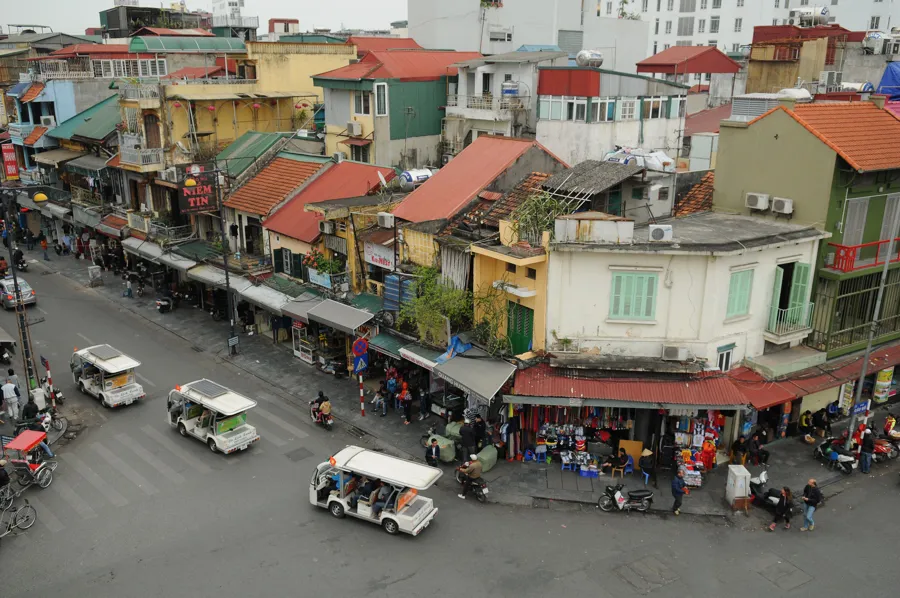
| A corner of Hanoi. Photo: Pham Hung/The Hanoi Times |
Could you share with us some of your collaborative activities and work in Vietnam, particularly in Hanoi, in relation to urban construction and development?
Since arriving in Vietnam in 2016, I have engaged in numerous collaborative activities with the Ministry of Construction and various localities to implement the social housing strategy project in Vietnam from 2018 to 2021. I have also conducted legal research for a smart city pilot project in the Mekong Delta from 2020 to 2021.
Notably, in 2022 and 2023, I actively shared with Hanoi professionals documents related to Seoul's comprehensive development plan until 2040 (published in 2023) and the environmental protection strategies and plans for the Han River basin from 1980 to 2023, as well as the city’s redevelopment strategies.
Drawing on Seoul's experiences over the past 70 years (1950-2020), I have begun to identify the current challenges facing Hanoi, particularly regarding fire safety and environmental issues in urban and peri-urban areas, which have many similarities to the challenges once faced by Seoul.
On August 9, I was the keynote speaker at a seminar organized by the Hanoi Architects Association, attended by leaders from the Hanoi Department of Planning and Architecture, the Ba Dinh District People's Committee, and several experts in the field. The seminar focused on urban redevelopment, environmental protection, and the preservation and enhancement of cultural values in historical neighborhoods.
What are the successes and lessons learned from Seoul's urban redevelopment process?
In 1950, the entire city of Seoul was devastated by war. Following the industrialization and urbanization boom that began after 1960 (with an average growth rate of 1.23% per year), the Seoul Metropolitan Government had to continuously implement mechanisms and policies for the creation and administration of new urban areas while accelerating renovation and redevelopment projects. Between 1973 and 2022, approximately 73 projects totaling over 79 million square meters and affecting over 1.2 million households were carried out. More than 657,000 apartments were sold, and 151,000 were rented, with over 257,000 demolished.
To address the initial challenges, South Korea established a number of procedures and strategies to attract investment and build public trust. The government supported participating businesses by covering initial project costs, guaranteeing bank loans during construction, and facilitating the sale of homes before completion. After relocation, residents were able to return to their original homes with higher living standards and better accommodation. Through these redevelopment projects, the government benefited from investments by companies in infrastructure improvements, such as roads, schools, and parks.
What challenges is Hanoi currently facing in urban renovation and redevelopment, and what are the proposed solutions to address them?
In my personal opinion, there are several factors currently hindering the renovation and redevelopment of old urban areas and apartment buildings in Hanoi. These include a lack of regulations concerning renovation projects, such as investment incentives and various challenges related to planning, investor selection, land clearance, compensation, and support for resettlement. There are also issues related to the temporary relocation of homeowners and tenants in old apartment complexes.
Drawing on Seoul's experience, it is essential for Hanoi to establish mechanisms and policies to ensure that all stakeholders benefit from successful redevelopment projects. Specifically, residents of old apartment buildings should be able to return to new homes that meet quality standards. Local authorities need to support businesses involved in these projects to ensure their successful implementation, while infrastructure improvement costs in the area should be borne by the companies.
I have learned that the Vietnamese National Assembly has recently approved the amended Capital Law, which includes many preferential mechanisms and policies for Hanoi, particularly concerning urban renovation and redevelopment efforts. With the city's determination, especially in building and reinforcing a "trust mechanism" among the three parties—government, businesses, and residents—I am confident that Hanoi has the essential conditions and policies to implement urban redevelopment projects modeled along the lines of South Korea, which has many similarities.
As a result, urban residents will be able to live in high-quality housing in a safe environment. The city's infrastructure will see significant improvements, particularly in terms of road upgrades to tackle current traffic congestion. Once these issues are resolved, the city will enhance its competitiveness and attractiveness, reflecting its status as a capital city. This represents the greatest benefit that urban redevelopment and renovation can bring to Hanoi's development.
Thank you for your time!