Urban and rural areas equally important for socioeconomic growth
The plan is for urban areas to become the driving force while rural areas serve as the foundation for sustainable development.
Both urban and rural areas play an equally critical role in socio-economic growth, requiring a balanced approach to the planning process.
| Deputy Prime Minister Tran Hong Ha at the meeting. Photos: Minh Khoi |
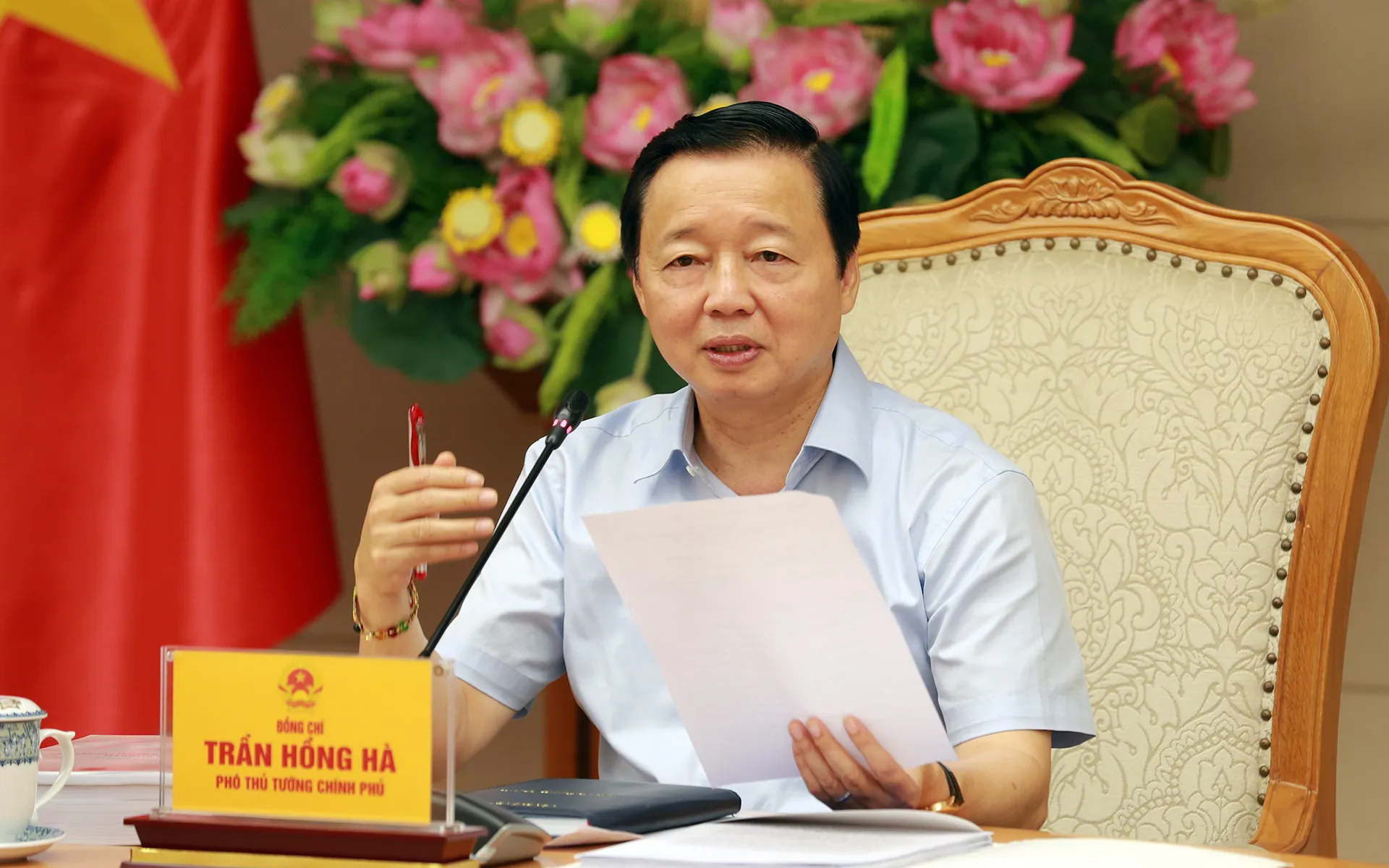
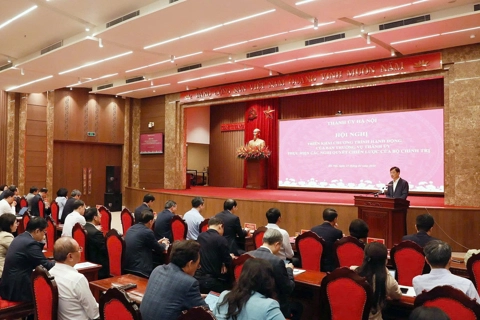
Deputy Prime Minister Tran Hong Ha shared the view during a Government meeting on July 31 to discuss the draft planning for urban and rural development for the 2021-2030 period, with a vision to 2050.
Speaking at the meeting, Deputy Minister of Construction Nguyen Tuong Van stated that this was the first time such planning had been developed under the Planning Law.
Van noted that urban and rural master planning is part of national master planning, which focuses on rural and urban development according to a "network" involving sectors and regions related to infrastructure, use of natural resources, environment protection, and biodiversity conservation. According to Van, the primary viewpoint of the plan is to develop urban areas as the driving force, playing a core role in economic development, while rural areas serve as the foundation for sustainable urban development.
In this regard, urban and rural spaces are connected with national socio-economic development subdivisions, emphasizing key areas and efficiently linking with infrastructure systems, especially national key projects.
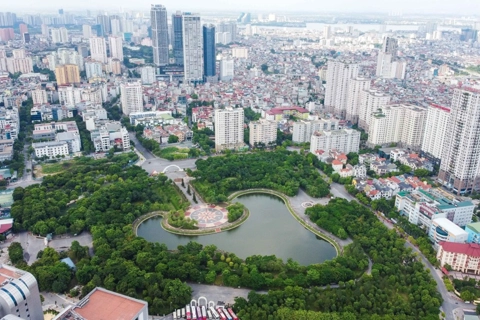
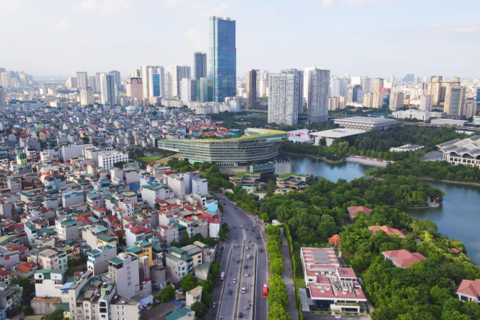
| Rural areas in Dong Anh District. Photo: Tuan Anh/The Hanoi Times |
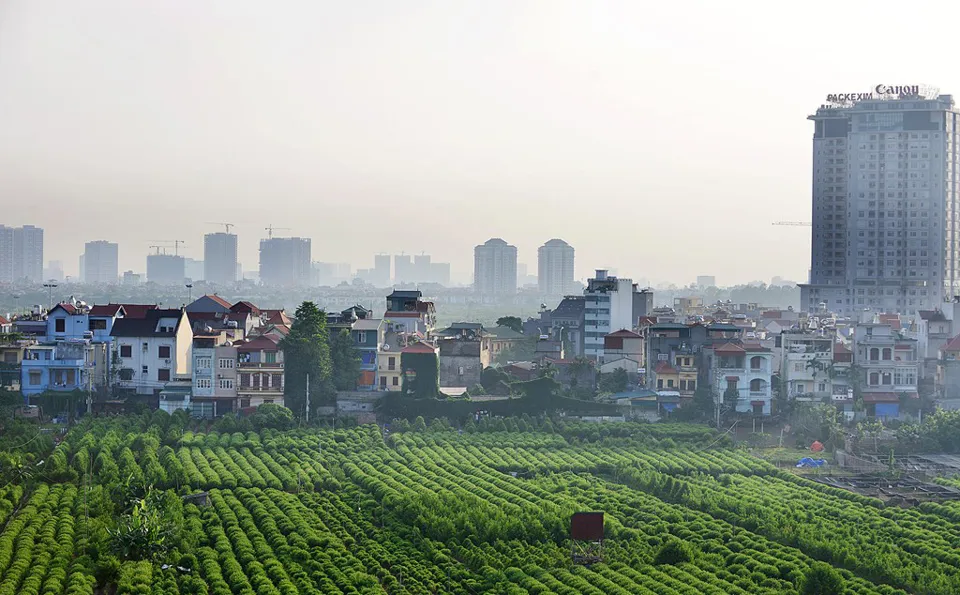
The urban system is set to develop in chains, and clusters, focusing on areas with favorable geographical positions, economic and social infrastructure, high-quality human resources, and other potential advantages to form economic corridors and growth poles. These, in turn, create spillover effects to medium and small cities, and mountain and island cities, promoting rural urbanization.
Medium and small cities will develop close relationships and functional sharing with large cities, gradually narrowing the development gap among cities. Attention will be paid to small cities and suburban areas to support rural areas through urban-rural linkages, he continued.
Comprehensive, sustainable, modern, and civilized rural development is connected with urban development and urbanization, featuring synchronized infrastructure and social services close to urban standards. This development preserves and promotes the unique characteristics and identities of each region. Rural residential areas are crucial, planned in harmony with natural resource conservation, and traditional cultural preservation, and suited to agricultural ecological zones, ensuring national security and defense.
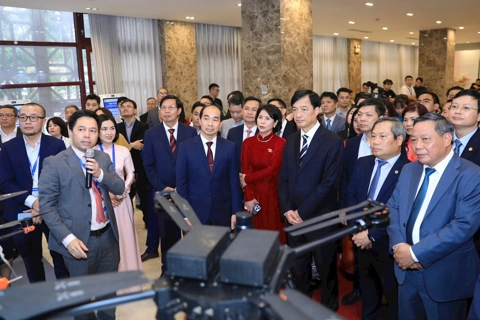
| Overview of the meeting. |
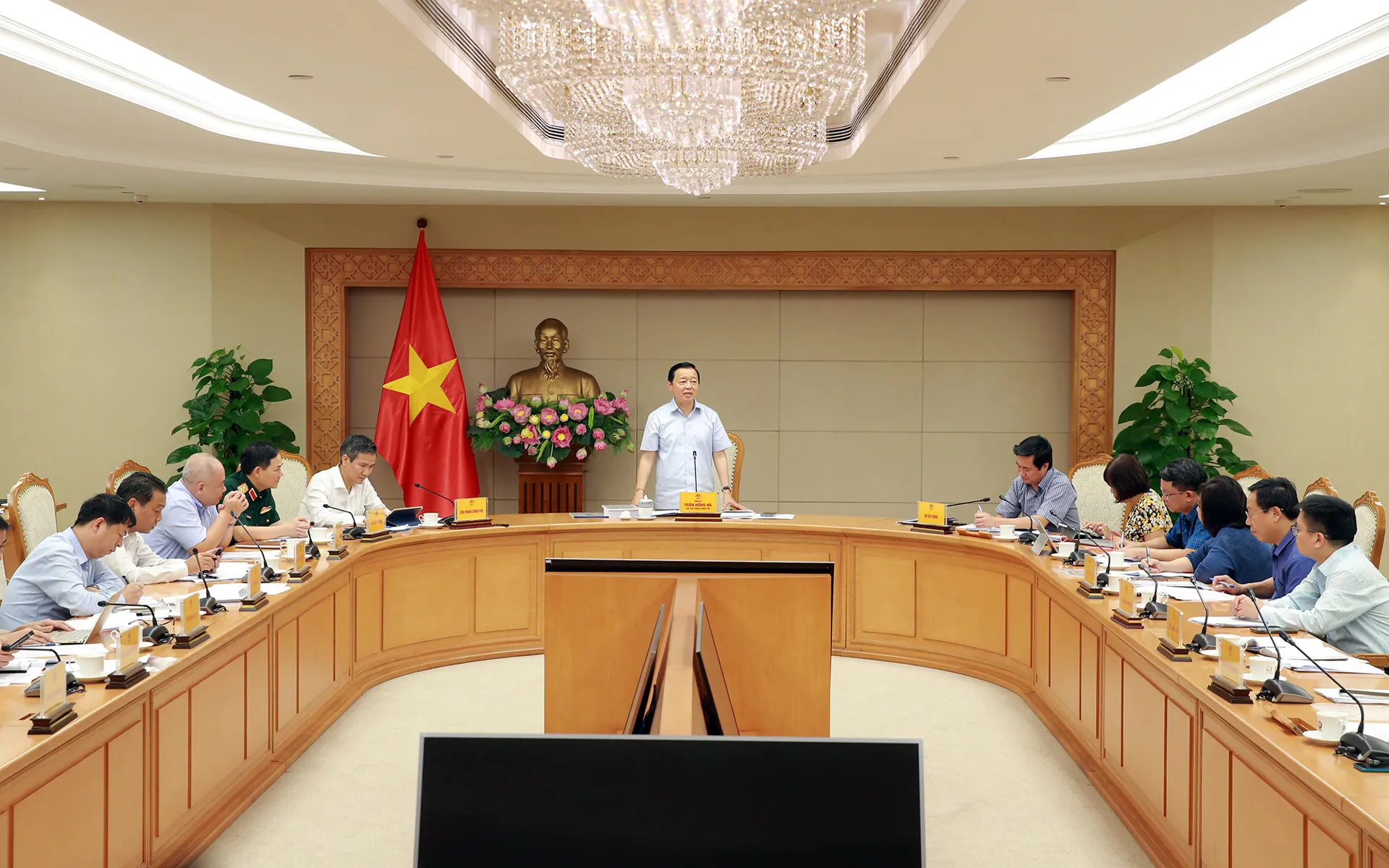
By 2030, the urbanization rate will exceed 50%, with around 1,000 to 1,200 urban areas nationwide. The urban economy will contribute approximately 85% to the national GDP. At least 90% of communes will meet new rural standards, with 50% reaching advanced rural standards. Additionally, 70% of districts, towns, and provincial cities will meet new rural standards, with 35% recognized as advanced new rural districts.
Looking ahead to 2050, the urban system will be interconnected into a single network, equitably distributed across regions, resilient to climate change, sea-level rise, natural disasters, and epidemics, and environmentally protective. The architecture will be distinctive, rich in identity, green, modern, and smart. Vietnam's urban system will have a deserved role and position in the Asia-Pacific urban network, highly competitive in national, regional, and international socioeconomic development.
Rural areas will provide a living environment closely connected and harmonious with urban areas, being civilized, green, clean, beautiful, and rich in cultural identity. The living conditions and incomes of rural residents will approach those of urban areas.
Deputy Minister of Planning and Investment Do Thanh Trung emphasized the importance of defining development goals and strategies as a basis for building a vibrant, unified, and synchronized urban and rural planning system that does not conflict with other plans.
Meanwhile, Deputy Minister of Culture, Sports, and Tourism Hoang Dao Cuong stressed that the Master Plan must create chains of urban and rural areas with unique characteristics, adapted to the history, terrain, natural conditions, economy, and society of each region, laying the groundwork for new regional development.