Leveraging resources for traditional culinary villages
The essence of Hanoi cuisine reflects the spirit of its people so it's essential to integrate cultural elements into every dish.
Traditional culinary villages are vital in preserving national cultural heritage and significantly contributing to the economy. However, they currently face numerous challenges, including a shortage of high-quality human resources and pressure from the modern culinary market.
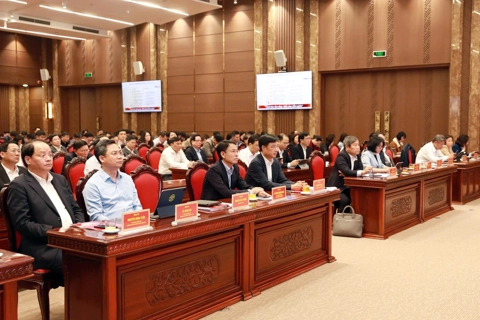
| Delegates at the discussion held at Thong Nhat Park in Hanoi on November 30. Photos: Duy Khanh/The Hanoi Times |
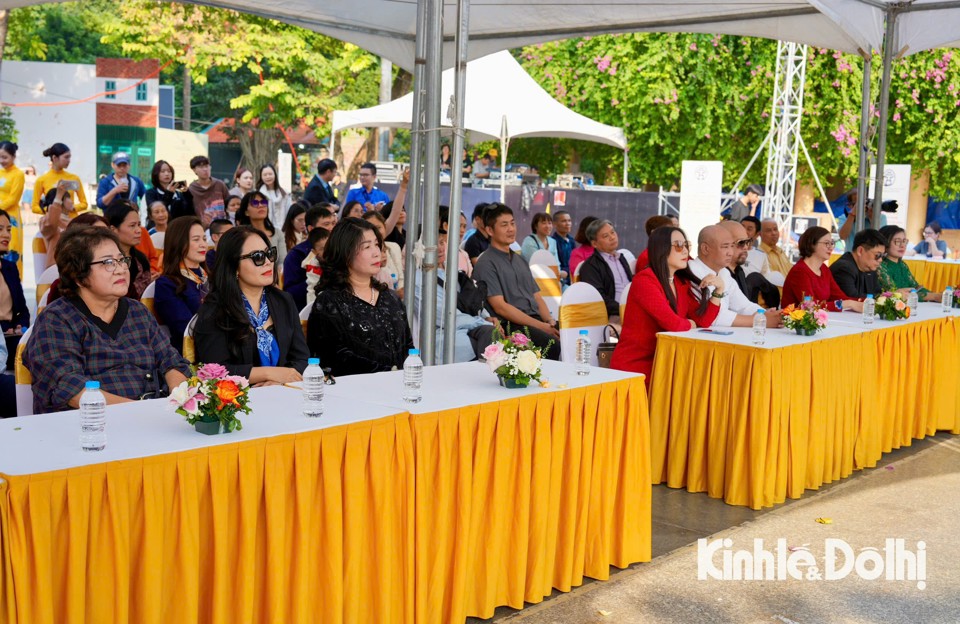
Local experts have discussed ways to gain more resources for the development of traditional cusine as well as traditional culinary villages.
At the seminar "Developing Quality Human Resources to Preserve and Promote Traditional Villages" held at Thong Nhat Park in Hanoi on November 30, speakers also expressed pride in Hanoi's pho being recognized as a national intangible cultural heritage.
The discussion extended from the story of pho to developing human resources for traditional culinary villages. This event was part of the Hanoi Culinary Culture Festival 2024.
| Nguyen Thuong Quan, Chairman of the Vietnam Vocational Training and Chefs Association, speaks at the event. |

From Hanoi pho to Hanoi culinary culture
The recognition of Hanoi's pho as a national intangible cultural heritage is a significant milestone in preserving and promoting traditional cultural values and an opportunity for Vietnam to shine on the global culinary map, with Hanoi's pho leading the way.
Journalist Vu Tuyet Nhung, Deputy Head of the Vietnam Women Journalists Club, said: "Mentioning pho is to mention Hanoi's pride. There are still many debates about the origin of Hanoi's pho, but it cannot be denied: 'Pho is not exclusive to Hanoi, but it’s best in Hanoi.'”
In Hanoi, almost every household knows how to make pho. The recognition of pho as a national intangible cultural heritage is truly a source of pride for Hanoi residents and Vietnam as a whole, she said.
Actress Minh Vuong recalled: "When I was young, I had to be sick to eat pho. Back then, it was just small pho stalls, but the fragrant aroma would fill the entire street. People in Hanoi never get tired of pho; they eat it for breakfast, lunch, and dinner."
Hanoians of the past enjoyed pho differently from today. Chicken pho was eaten with lemon, and no one used kumquats instead of vinegar as they do now. But as society develops, cuisine evolves too.
Discussing innovation in cuisine while preserving tradition, Nguyen Thuong Quan, Chairman of the Vietnam Vocational Training and Chefs Association, said that cuisine reflects society, economy, technology, and lifestyle. Older people choose familiar pho shops, while young people seek novelty and create trends. While it is essential to preserve historical and cultural elements, appropriate development is also needed to ensure civility in eating and enjoying food.
| Speakers at the discussion. |

Human resources to promote culinary heritage towards industrialization
Hanoi has significant potential and strengths in cuisine. The recent recognition of Hanoi's pho as a national intangible cultural heritage is just one of many examples. Utilizing cuisine in developing cultural industries poses many challenges, including enhancing Hanoi's culinary values and addressing human resource issues.
It can be said that high-quality human resources are crucial for preserving and promoting traditional villages, including traditional culinary villages. Efforts from artisans and chefs are necessary to preserve and pass on culinary knowledge. Meanwhile, training and maintaining traditional villages for teaching are key elements.
Masterchef Vietnam Pham Tuan Hai shared: "Hanoi cuisine embodies the soul of the capital’s people. You must infuse culture into the food. To have high-quality human resources, you need strong resources. In the culinary industry, this training requires special teaching methods. It starts at home, with daily meals. Culinary knowledge should be passed from one generation to the next. With a strong foundation, formal education can further develop and produce excellent chefs. Schools must teach traditional dishes first so learners have a solid base to develop modern and creative cuisine."
Nguyen Thi Thu Huyen, Deputy Director of the Hanoi Cheo Theater, and artist Mai Thi Thu Huyen agreed, "Understanding tradition means understanding culture. Cuisine is culture, and culture is cuisine. Preserving and promoting human resources in traditional arts is challenging, just like for traditional culinary villages."
| Com or young sticky rice in Vong Village in Cau Giay, Hanoi. Photo: Nguyen Huu Nen and Hoang Nhu Thinh |
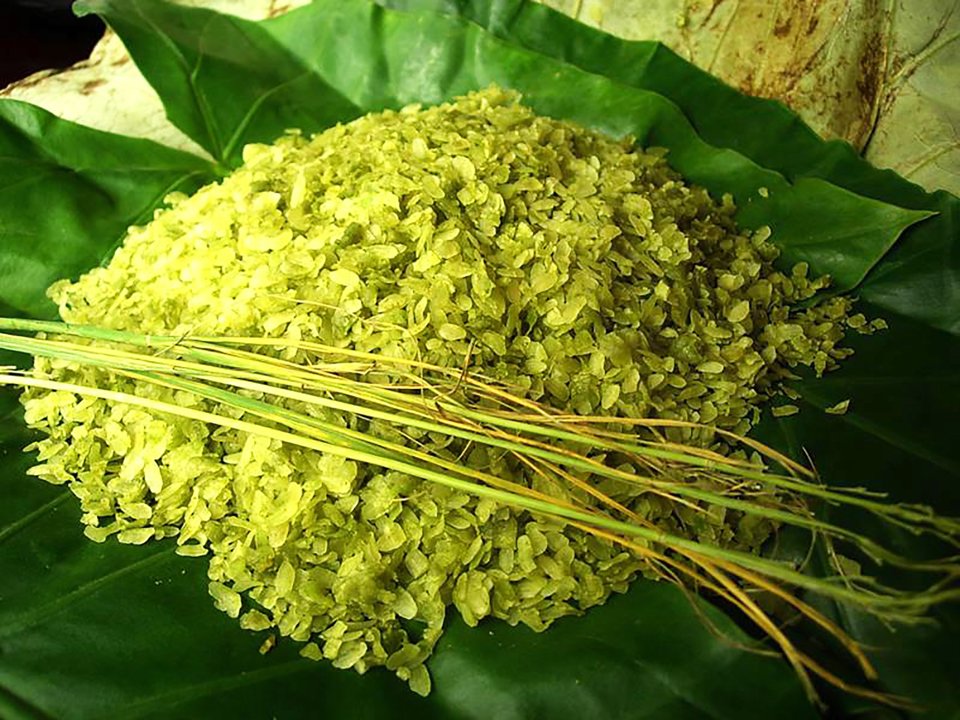
The suburbs of Hanoi boast numerous villages renowned for their long-standing culinary traditions. Each dish is closely tied to its place of origin, with names like Thanh Tri steamed rolls, Phu Thuong sticky rice, Vong village com, Phu Do ngan noodles, Lo Khe chung cake, and Uoc Le pork sausage.
These culinary traditions are deeply rooted in household practices, with recipes passed down through generations, preserving the unique identity of each dish.
Meanwhile, Phu Thuong sticky rice, which is geographically closer to Hanoians, has a history spanning several hundred years. However, it wasn't until 2017 that it was officially recognized as a brand and awarded a geographical indication.
Regarding com (young sticky rice), Hanoi is famous for two places that produce com: Vong Village in Cau Giay and Me Tri in Nam Tu Liem. Creating com involves a complex multi-stage process. The allure of Com Vong Village and Com Me Tri, often carried by street vendors, has enchanted many international food enthusiasts.