Making Hanoi pho spread worldwide
Developing a Hanoi pho map addresses both the demand and marketing needs, offering specific recommendations and directions to top pho shops in Hanoi, selected based on real surveys and set criteria.
Pho has become a must-try dish when visiting Hanoi as noted by most domestic and international tourists and this signifies that Hanoi pho is indeed a "business card" that helps spread Hanoi's culture globally.
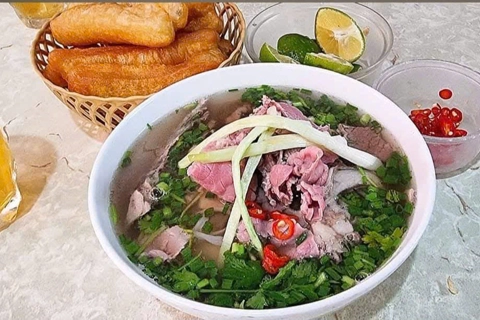
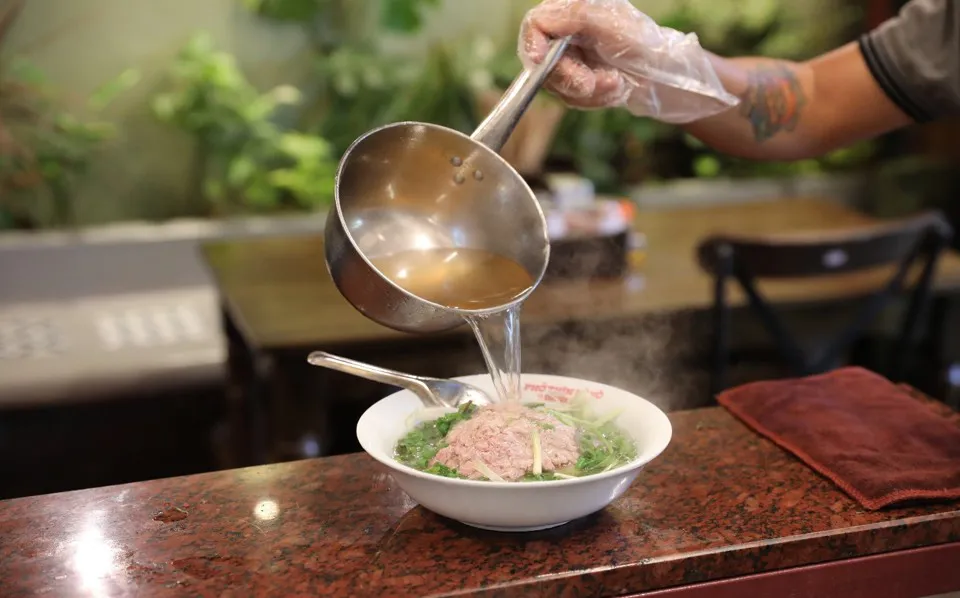
| A bowl of pho in a long-lasting pho shop in Hanoi. Photos: The Hanoi Times |
From a popular dish to an intangible cultural heritage
The history of pho's evolution is deeply connected to the changing history of the capital and the memories of many Hanoians. Pho has developed dynamically amid Vietnam's historical changes, particularly in Hanoi during the latter half of the 20th century. It has rapidly grown and spread, becoming a popular dish in Hanoi.
Truong Bich Khanh in Thanh Cong, Ba Dinh District said that in the 1950s, when she was a child, every time her mother took her to visit her grandparents on Phan Huy Chu Street in Hoan Kiem District, she had the chance to enjoy a bowl of pho from a street vendor near Hoan Kiem Lake. “That happy memory is still fresh and unforgettable. Even after finishing a bowl of pho, I would crave more,” she shared.
Over time, Hanoi pho transitioned from being sold by street vendors to fixed locations. These pho shops vary widely in location and size, from sidewalks and narrow alleys to indoor spaces. With its distinctive flavor and unique preparation, Hanoi pho has made a lasting impression.
To promote this dish, pho was selected as one of the 12 special dishes of Hanoi introduced at the Press Center during the US-North Korea Summit in Hanoi in February 2019. Pho attracted the attention of many international journalists who tasted it and wrote articles about Hanoi pho specifically and Vietnamese pho in general.
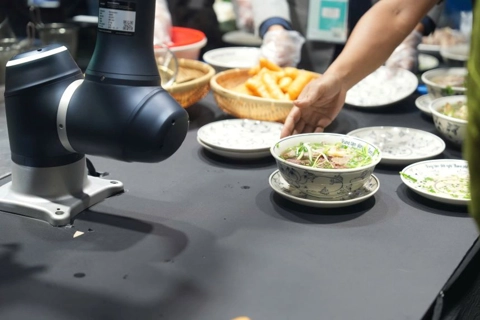
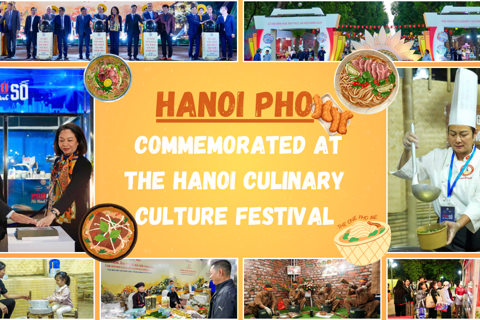
At the annual Hanoi Culinary Culture Festival, pho is always a staple in the spaces dedicated to Hanoi's cuisine.
Between September and October 2023, the Hanoi Department of Culture and Sports conducted a comprehensive inventory of pho heritage. This was the first time pho had been thoroughly documented, combining heritage identification and cultural, historical, and scientific value assessment.
Now, pho is a dish ingrained in the minds of Hanoians and has become a symbol of the rich cuisine of Vietnamese people in general, reaching beyond national borders to the global culinary scene. Thanks to this, Hanoi pho has made a distinctive impression and delighted tourists.
Recognizing pho's legacy, this dish was listed as a National Intangible Cultural Heritage on August 9, 2024 in Decision No. 2328/QD-BVHTTDL signed by Minister of Culture, Sports, and Tourism Nguyen Van Hung.
According to Associate Professor Dr. Bui Hoai Son, Permanent Member of the National Assembly’s Committee for Culture and Education, listing "Hanoi pho" in the National Intangible Cultural Heritage list is a significant milestone in preserving and promoting traditional cultural values and opens the door for Vietnam to shine on the global culinary map, with Hanoi pho leading the way for Vietnamese cuisine.
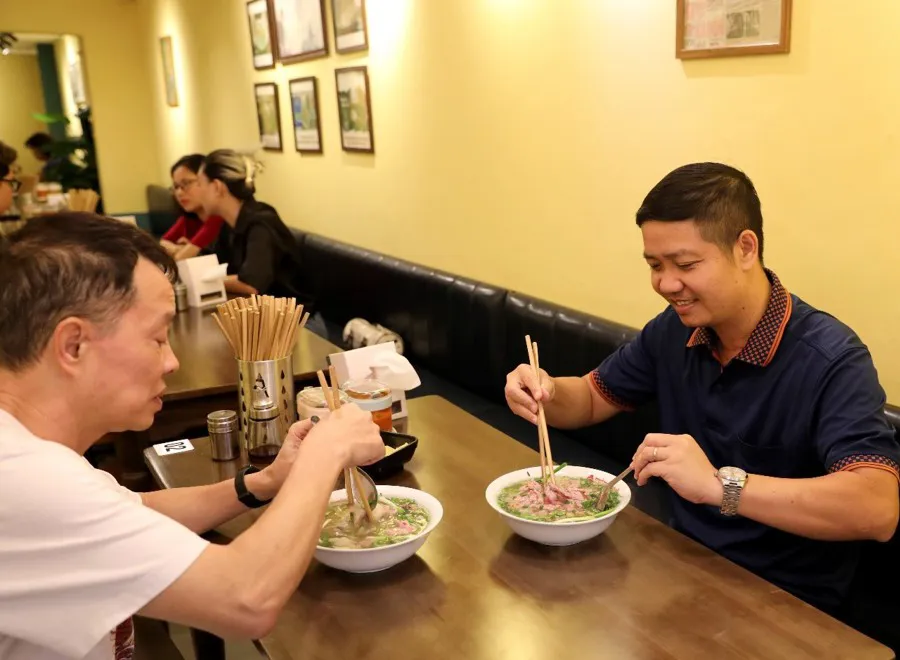
| Pho dinners in Hanoi. |
Building a Hanoi pho map
To elevate Hanoi pho as a "business card" to the world, preserving and promoting this heritage value is essential. It will require promotion in different communication forms, developing sustainable pho cooking practices, and focusing on building the "Hanoi pho" brand.
There remain various perspectives on the origin and formation process of pho. Therefore, Hanoi will continue to research and clarify the origins and development of pho cooking in general and in Hanoi in particular.
Creating a Hanoi pho map is a solution that meets both the demand and promotes the product to residents and tourists, providing specific suggestions and directions to good pho shops in Hanoi, selected based on actual surveys and certain criteria.
Hanoi will also support artisans who hold and practice pho cooking by passing down experience, secrets, and skills to the next generation. Additionally, policies to honor, encourage, and reward artisans are necessary. Special support will be given to pho shops in brand building, space planning, ensuring food safety, and creating a network of pho tasting spaces in Hanoi.
A survey conducted in 2023 by the Department of Culture and Sports found that Hanoi is home to around 700 pho restaurants that adhere to food safety and hygiene standards. These restaurants are mainly located in the districts of Ba Dinh (21), Hoan Kiem (32), Cau Giay (29), Dong Da (9), Hai Ba Trung (30), Thanh Xuan (56), and Long Bien (93).
Traditional pho establishments, with more than two generations of expertise, usually focus on beef or chicken pho and are predominantly located in the districts of Hoan Kiem, Ba Dinh, and Hai Ba Trung.
Hanoi pho has enriched the overall Vietnamese pho. It has become a unique term in many renowned dictionaries worldwide and is present in over 50 countries, especially now that Hanoi pho has officially been included in the National Intangible Cultural Heritage list. This recognition is a source of pride for Hanoians and a step toward proposing the national pho dossier and requesting UNESCO to inscribe it on the Representative List of the Intangible Cultural Heritage of Humanity.