National Assembly promotes inclusive social assistance for all: UNFPA
Vietnam has made remarkable strides in developing a comprehensive, life-cycle, and gender-transformative social protection system.
Vietnam’s social protection policies and the role of the National Assembly matter a lot in promoting inclusive social assistance for all.
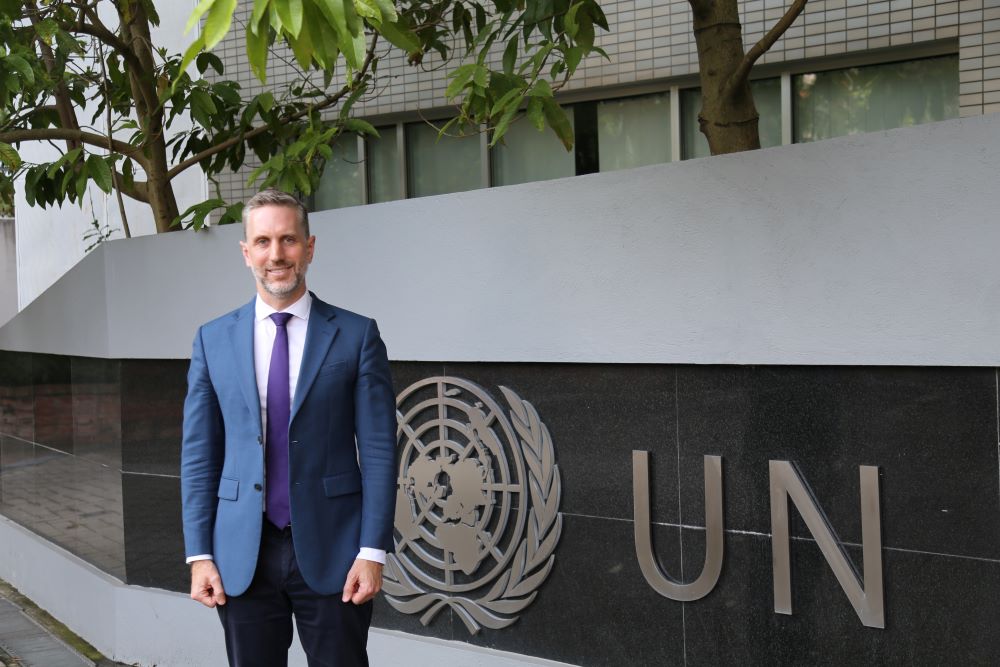
| Matt Jackson, the United Nations Population Fund (UNFPA) Representative in Vietnam. |
Social protection policies and programs are fundamental to help individuals and societies manage risks and mitigate poverty. Social protection provides reassurance, and comfort and helps families to meet their essential requirements when they are most in need through instruments such as cash transfers, employment opportunities, or poverty reduction programs. These ensure a safety net and help to improve resilience, equity, and opportunity.
Vietnam has made remarkable strides in developing a comprehensive, life-cycle, and gender-transformative social protection system which, in particular, supports vulnerable groups such as older persons, women, children, and people with disabilities. This has contributed to achieving the UN Sustainable Development Goals (SDGs) and reducing the national poverty rate from 21% in 2010 to 5% in 2020.
At the same time, Vietnam is undergoing demographic changes that are reshaping families and communities. When I arrived in Vietnam as UNFPA Country Representative just over a year ago, I was struck by the vibrancy and energy of its youthful population and the happiness and hard-working nature of the older generations. Vietnam currently has its highest proportion of young people: 21% aged 10-24; as well as a rapidly ageing population. Population ageing is a success of development and improvements in healthcare, and accurate data in this area helps governments to best prepare for demographic changes such as a growing proportion of older people in society and the support and care they may need as well as the opportunities they can offer to local economies.
These demographic shifts are not unique to Vietnam, but each country must decide for itself how it responds and how social protections support the most vulnerable. Ensuring the dignity and happiness of citizens is where policies, laws, and guidance come into play.
UNFPA is working collaboratively with the National Assembly and the government of Vietnam to respond to population changes, address inequalities, and ensure social protection through promoting universal healthcare coverage and advocating for increased social assistance for older persons. By promoting integrated and life cycle approaches and facilitating access to essential services and adequate social assistance among vulnerable groups, Vietnam is building a sustainable and inclusive social protection system that ensures no one is left behind.
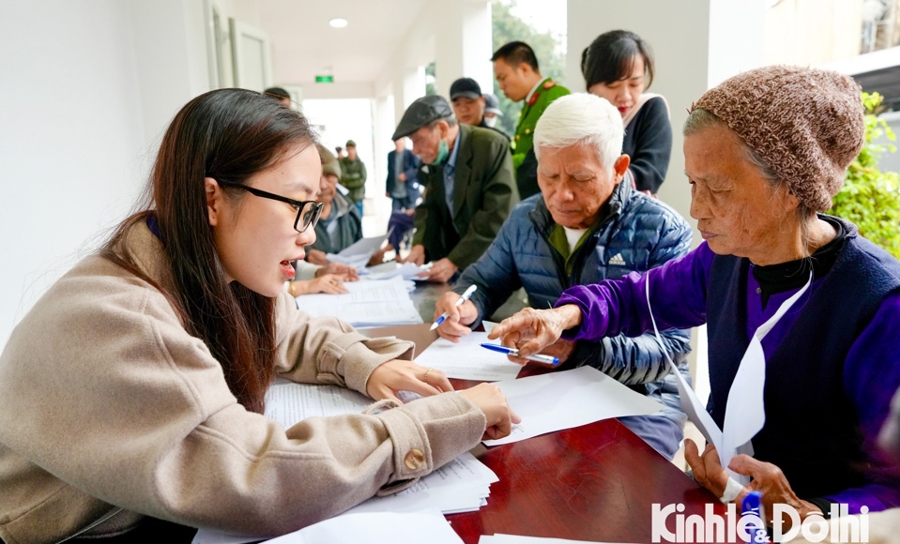
| The old are supported to open bank accounts to receive monthly allowance. Photo: Duy Khanh/The Hanoi Times |
The National Assembly plays a pivotal role in shaping Vietnam’s social protection system. As the country’s highest legislative body, the National Assembly is responsible for enacting laws, overseeing government activities, making budget decisions, and ensuring that social protection systems are inclusive and aligned with national priorities.
Examples of the National Assembly’s work in this area include the rapid deployment of the Covid-19 vaccines during the pandemic and the passing of two social protection packages to support those most vulnerable, in particular older people and unemployed people who were disproportionately affected by the pandemic.
Since 2015 Vietnam has used the multidimensional poverty measurement, updating it in 2021 which enabled an additional 10 million people to become eligible for the Government's multi-dimensional poverty support policies and programs. This has helped millions of vulnerable households who were pushed into poverty during the Covid-19 pandemic.
In addition, the National Assembly’s approval of the revised Law on Social Insurance ensures a comprehensive, gender-transformative, life-cycle social protection system in Vietnam. The revised law includes measures to reduce the age at which individuals benefit from social pensions, improved maternity benefits under the voluntary social insurance scheme, and the addition of sickness benefits for some vulnerable or marginalized groups.
UNFPA is pleased to have been part of this strategic process by providing evidence and promoting south-south cooperation and knowledge exchange between the National Assembly of Vietnam and the Inter-Parliamentary Union (IPU), as well as with other countries in the region on policy measures to respond to rapid demographic changes. Data and evidence, disaggregated by sex, age, and ethnic status is crucial to designing social protection systems. UNFPA is committed to working with the General Statistics Office and government partners to produce disaggregated data and to ensure that data is disseminated among the National Assembly’s committees and agencies to inform their decisions. Through collaboration and partnership, we can ensure that Vietnam’s social protection system is robust and responsive to the individual needs of all citizens.
Matt Jackson, the United Nations Population Fund (UNFPA) Representative in Vietnam.