Regulations on low emission zones approved in Hanoi
The resolutions aim to implement the amended Capital Law.
A resolution to establish Low Emission Zones (LEZs) to reduce vehicle pollution and improve air quality, effective January 1, 2025, was approved by the Hanoi People's Council on December 12.
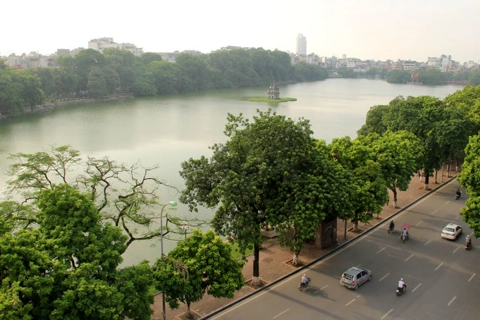
The first such zones will be set up in Hoan Kiem and Ba Dinh districts, where the circulation of vehicles failing to meet emission standards will be restricted or banned.
| An overview of the 20th Session of the Hanoi People's Council. Photo: VGP |

From 2025 to 2030, the city will enforce the LEZ in selected locations and encourage other districts to adopt similar measures. After 2031, it will require enforcement of the LEZ in areas with high traffic congestion and poor air quality.
During certain hours or in specific locations, these zones will enforce environmental restrictions, such as banning heavy diesel trucks and restricting access to vehicles that do not meet Euro 4 emission criteria and motorcycles that do not meet Euro 2 standards.
The city government plans to charge fees for vehicles operating within the LEZ and to provide support for residents and businesses to transition from fossil fuel vehicles to clean energy alternatives. Investment policy will focus on the development of clean energy transportation infrastructure, funded through the city budget and other legal sources.
Le Thanh Nam, Director of the Department of Natural Resources and Environment, said the draft resolution had undergone extensive public consultation and received broad support from residents.
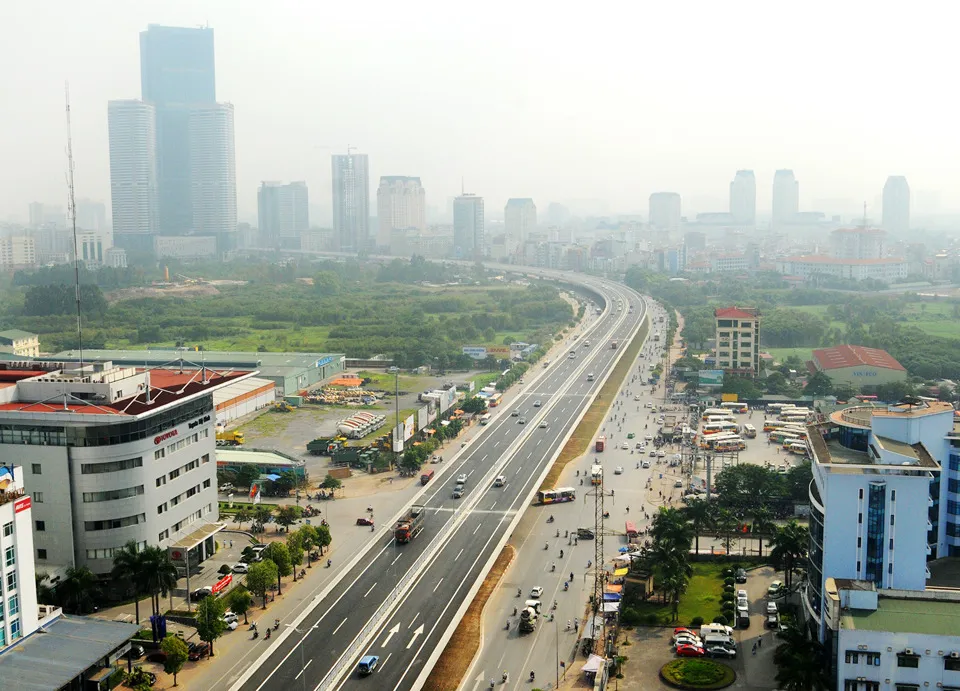
| A corner of Hanoi. Photo: Ha Linh/The Hanoi Times |
During the interpellation session of the Hanoi People's Council on December 11, Tran Sy Thanh, Chairman of the Hanoi People's Committee, emphasized the goal of reducing traffic pollution and improving air quality. After the resolution is approved, the city will launch programs to encourage residents in the LEZs to switch to green transportation.
Hanoi will work with manufacturers to devise strategies to reduce the number of gasoline and diesel vehicles in these zones. Plans will also include incentives to replace old vehicles and offer loans for the purchase of new electric models, he said.
Air pollution in Hanoi is mainly caused by road traffic emissions, which account for 58-74% of pollutants, with motorcycles being the main source, followed by trucks and taxis.
According to the city's Department of Transportation, Hanoi has over eight million vehicles, including more than 1.1 million cars and about 6.9 million motorcycles, with nearly 73% of vehicles over ten years old.
The Department of Natural Resources and Environment emphasized that older, unregulated vehicles are a significant contributor to air pollution. During peak hours and in heavily congested areas, emissions from these vehicles not only cause driver discomfort but also increase the health risks associated with exposure to air pollution.
As a result, the introduction of low emission zones has become an urgent necessity rather than an option, according to local insiders.