Toward inclusive Vietnam: Pride, progress and the path
Vietnam’s social fabric is evolving and doing so in ways that align with its aspirations of becoming a prosperous and more inclusive nation.
THE HANOI TIMES — As Pride Month draws to a close, Vietnam can celebrate not only its vibrant LGBTIQ community but also the steady progress in public attitudes toward diversity.
A recent nationwide survey, conducted by UNDP in partnership with the Institute for Studies of Society, Economy and Environment (iSEE) and the Institute of Sociology and Psychology, reached over 3,500 respondents, making it the most comprehensive survey to date on sexual orientation and gender identity.
Its findings carry a powerful message: Vietnamese society is moving with determination toward greater openness and acceptance.
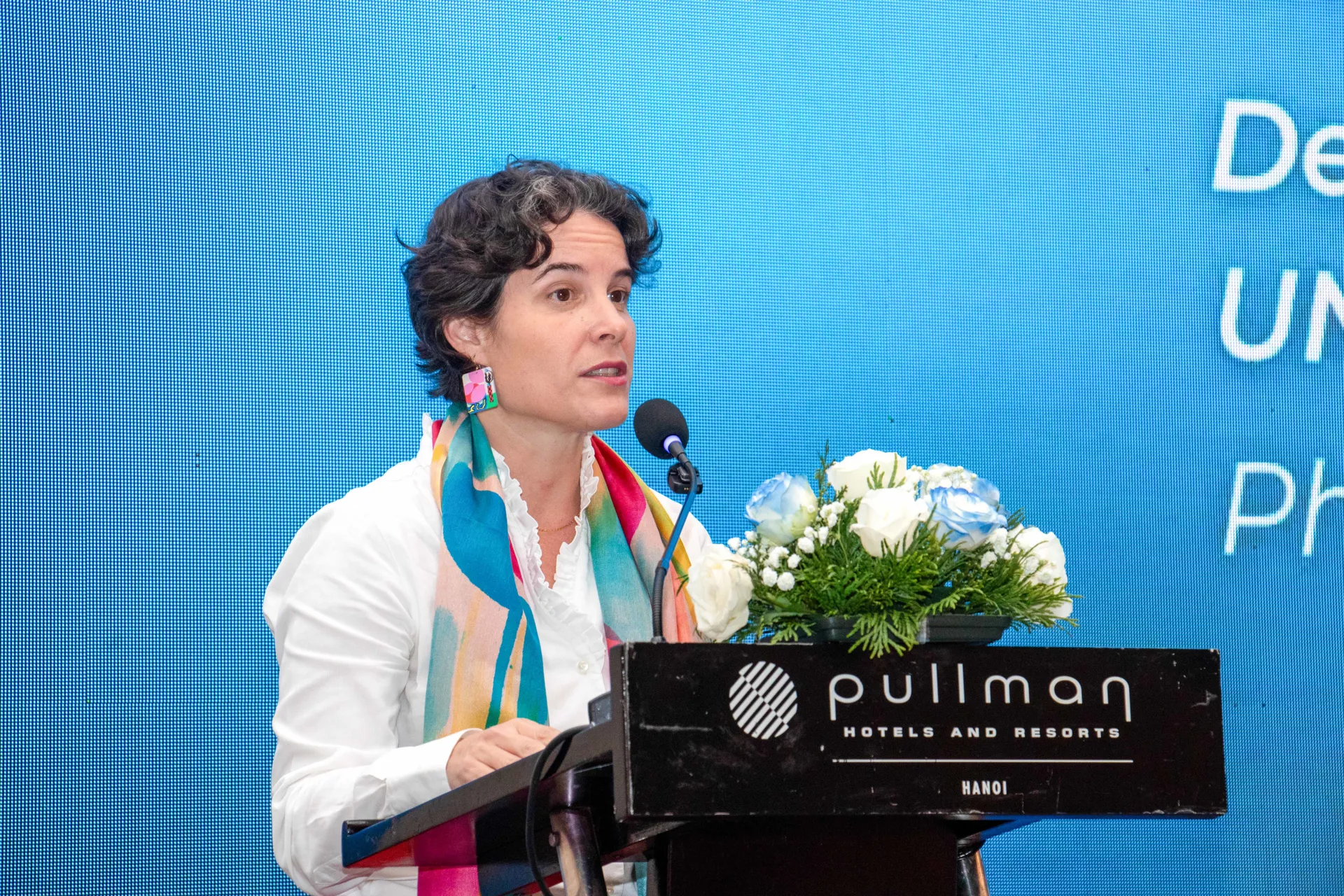
Francesca Nardini, UNDP Deputy Resident Representative in Vietnam. Photo: UNDP
This shift is a testament both to the courage of the LGBTIQ community, who have become more visible, and to the leadership of Vietnamese institutions that over the past decade allowed space for dialogue and greater understanding on LGBTIQ inclusion.
Together, they fostered an environment where diversity is increasingly seen as part of the nation’s collective strength.
10 years of steady progress on inclusion
Compared to just a decade ago, awareness and acceptance of LGBTIQ people in Vietnam have advanced remarkably. In 2013, only one in three respondents supported same-sex marriage. Today, nearly two in three (65%) express support, with opposition as low as 5.8%. Even more striking, 78% support the right of same-sex couples to jointly adopt and raise children.
Nearly eight in ten Vietnamese now recognize genders beyond male and female, and a similar majority reject the notion that being transgender is an illness or deviance. Almost nine in ten report feeling comfortable interacting with transgender people. These are powerful shifts that place Vietnam ahead of many countries at the same income level, as evidenced by social attitude surveys collected by the Pew Research Center.
The findings of this latest survey confirm what UNDP’s Provincial Governance and Public Administration Index (PAPI) has also recorded: acceptance of diversity is steadily growing, particularly among younger generations. Vietnam’s social fabric is evolving and doing so in ways that align with its aspirations of becoming a prosperous and more inclusive nation.
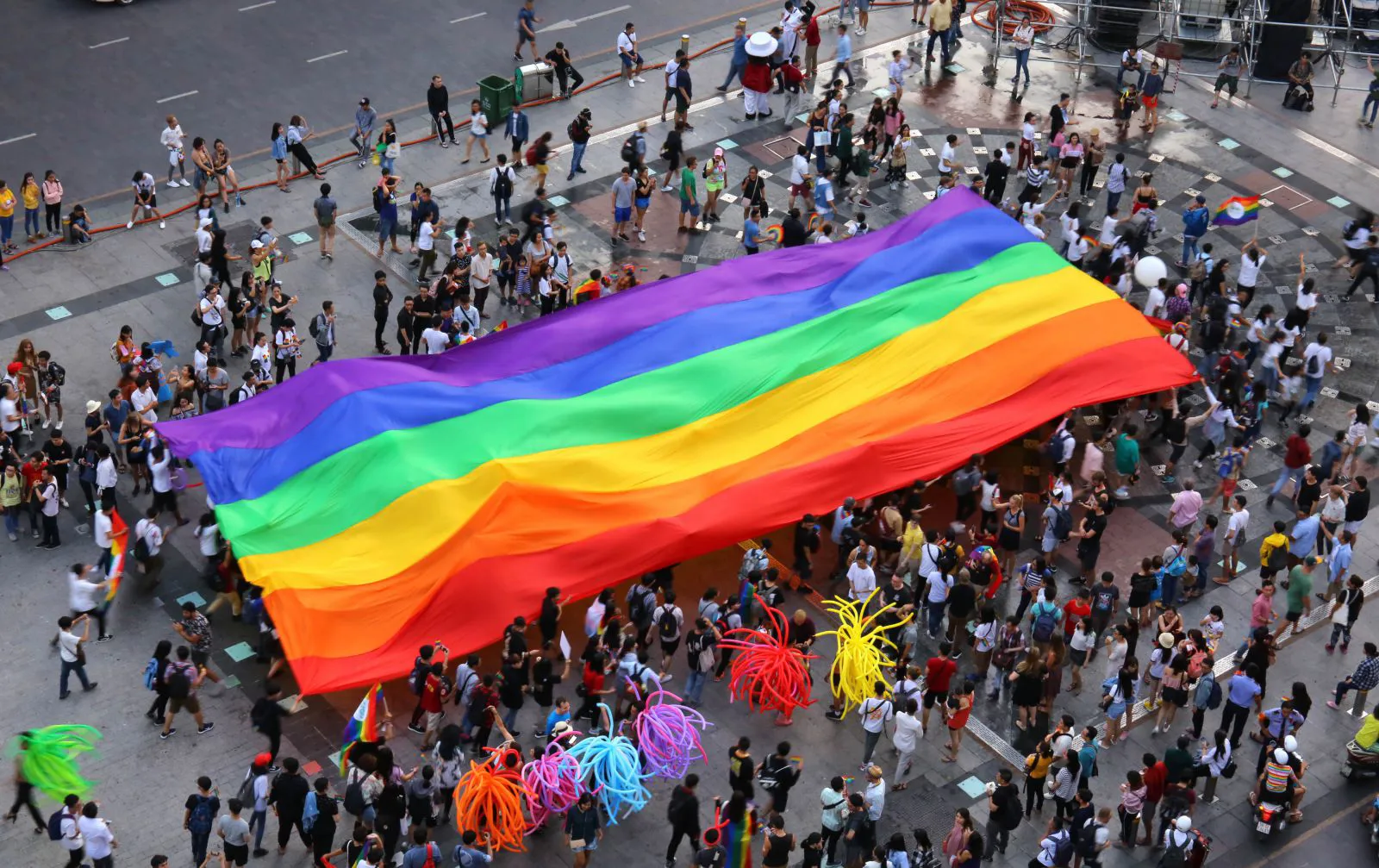
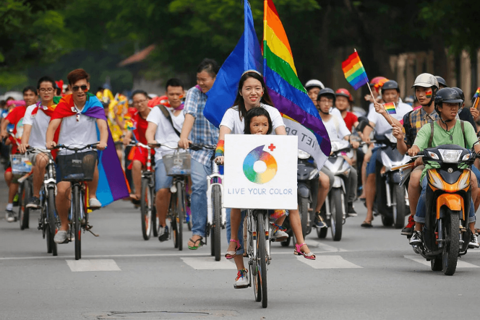
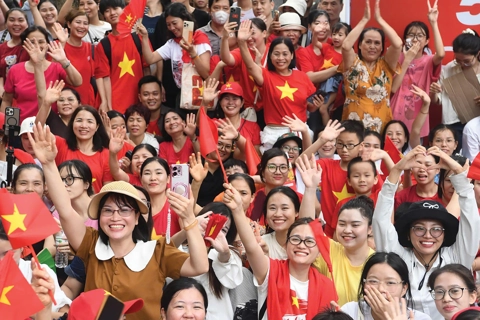
As the country pursues its goal of becoming a high-income, developed nation by 2045, enabling every citizen to participate fully in the nation’s journey will be an important asset. Photo: ics.gov.vn
Inclusion pays: Why diversity fuels Vietnam’s growth
Inclusion is not only a matter of rights but also brings clear economic benefits. World Bank case studies from countries as diverse as India and Serbia demonstrate how discrimination undermines labor productivity and constrains growth.
This pattern is echoed in Vietnam: a separate 2025 UNDP study on transgender experiences in the workplace found that more than half of respondents reported prolonged stress, declining self-esteem, and even withdrawal from the labor market due to stigma. Such exclusion prevents the economy from fully harnessing the talents and contributions of all its citizens.
Conversely, countries that foster greater inclusion are better positioned to attract investment, tourism, and skilled workers. A 2024 regional study by the think tank Open for Business demonstrated that more inclusive countries in Southeast Asia, including Vietnam, are more competitive in drawing foreign direct investment. Thailand offers a telling example by cultivating an environment where LGBTIQ communities are more visible and accepted. It has strengthened its attractiveness as a destination for tourism, innovation and creative industries.
The next frontier: Laws that further reflect Vietnam’s values
The survey findings indicate broad public support for more inclusive measures. This comes at a timely moment, with several important policy opportunities on the horizon: the 10-year review of the Law on Marriage and Family, the review of the Law on Gender Equality, and ongoing discussions around the Gender Affirmation Law and a comprehensive non-discrimination law.
These processes can be informed by growing public recognition of diverse family structures, equal treatment in the workplace, and protection for transgender people. Such attitudes provide a constructive basis for advancing Vietnam’s inclusive development agenda.
Vietnam’s longstanding traditions of solidarity and fairness, together with its commitment to prosperity for all, provide a strong foundation for this progress. As the country pursues its goal of becoming a high-income, developed nation by 2045, enabling every citizen to participate fully in the nation’s journey will be an important asset.
At the same time, Vietnam’s active role in the Human Rights Council (HRC) underscores its commitment to international dialogue and to gradually strengthening protections for all. Notably, as an HRC member, Vietnam twice voted in favor of establishing and later extending the mandate of the UN Independent Expert on Combating Violence and Discrimination based on sexual orientation and gender identity. Advancing inclusion domestically will reinforce Vietnam’s standing as a constructive and forward-looking member of the global community.
Francesca Nardini, UNDP Deputy Resident Representative in Vietnam