Vietnam builds capacities to address climate change-induced health threats
Given Vietnam’s high susceptibility to zoonotic diseases and infections, strengthening local capacities is one of the most effective approaches to adapt to climate change.
Building capacities to address public health threats caused by climate change is significant to Vietnam’s efforts to cope with global warming under support from international organizations.
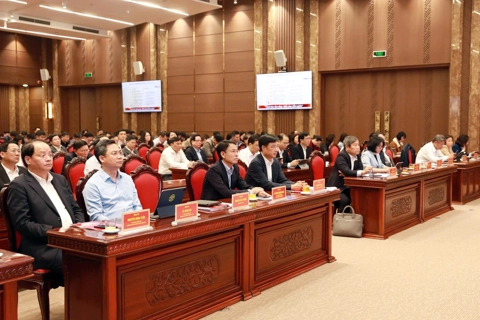
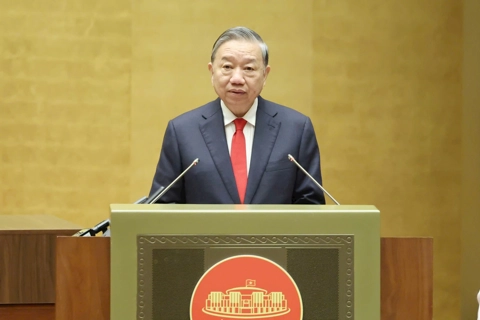
| Aler Grubbs, USAID/Vietnam Mission Director (L), Nguyen Thuc Hien, Vice Chairman of Can Tho People’s Committee, and Ramla Khalidi, UNDP Resident Representative in Vietnam at the launching event. Photos: USAID |

The One Health project on building local capacities in the Mekong Delta (Can Tho and An Giang) launched by the US Agency for International Development (USAID), and the United Nations Development Program (UNDP) will help detect, prevent, and respond to climate change-related emerging infectious diseases.
The project, which is part of USAID and Vietnam’s 20-year One Health Partnership with a focus on climate change, focuses on the connection between climate change and disease threats.
“Together, we will safeguard public health and support a strong, prosperous, independent, and resilient Vietnam,” said Aler Grubbs, USAID/Vietnam Mission Director, during remarks at the event launched in Can Tho on June 7.
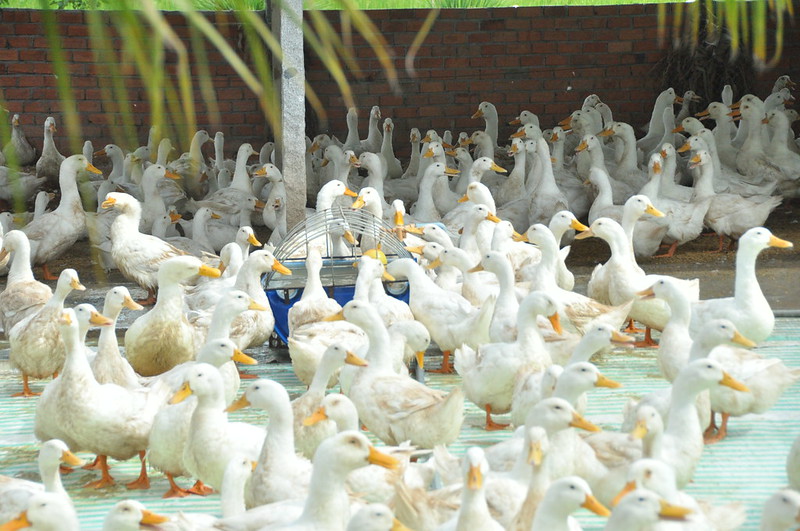
Vietnam is at a high risk of the emergence and resurgence of zoonotic diseases or infections that are contracted from animals to humans.
Vietnam is highly vulnerable to climate change, which can lead to altered rainfall patterns, saline intrusion, more frequent and severe weather events, and natural disasters. These factors can increase the risk of disease spillover between humans, livestock, and wildlife.
Increasingly frequent and severe floods and storms also pose a risk to the community's healthcare system and people's access to health services, which will affect medical professionals' capacity to prevent, identify, and treat illnesses.
In this regard, the initiative will work in climate-vulnerable Can Tho City and An Giang.
The initiative will pilot provincial-level models that enhance the "One Health" response to climate change in the fields of environmental, animal, and human health after consulting with local stakeholders, including women's unions and businesses.
Activities include increasing telehealth options, modernizing primary health infrastructure to support service continuity during extreme weather events, and preparing local government agencies and health systems to better address public health threats brought on by climate change
Talking to The Hanoi Times, Ramla Khalidi, UNDP Resident Representative in Vietnam, intensifying drought, saltwater intrusion and tropical storms in the Mekong Delta can drive outbreaks of dengue and other vector-borne diseases, as well as infectious disease spillovers from animals to humans.
Therefore, she believed that the project would support authorities, communities, and other partners in Can Tho and An Giang to detect, prevent, and respond to climate change-related public health threats, recognizing that human health is closely connected to the health of animals and the environment.
| Vietnam is vulnerable to zoonotic diseases and infections. |
For USAID, the project and its decades-long One Health Partnership with Vietnam matter a lot to helping Vietnam address long-standing and emerging infectious disease threats, in line with our two countries’ shared priorities under the Comprehensive Strategic Partnership.
USAID continues to strengthen Vietnam’s effectiveness in preventing, detecting, and responding to emerging infectious disease threats. This entails fortifying the nation's defenses against animal-related threats to public health as well as creating a broad, interdisciplinary network of experts who collaborate on issues pertaining to the interface between environmental, animal, and human health.
Talking at the event, Nguyen Thuc Hien, Vice Chairman of Can Tho People’s Committee, said the project helps strengthen the city’s efforts against climate change which is defined in its Action Plan towards Climate Change for 2021-2030 with Vision to 2050.
Accordingly, the city has mobilized resources and simultaneously implemented response measures to minimize the impact on people’s lives with a number of projects, including collecting waste on Can Tho River, Can Tho’s development and urban adaptability, and anti-landslide embankment.