Vietnam designates more intangible cultural heritage
Preserving festivals is a tribute to the past and an investment in the future's cultural richness.
THE HANOI TIMES — The Ministry of Culture, Sports and Tourism has designated three traditional festivals in the central province of Quang Tri as elements of national intangible cultural heritage.
By elevating these events to national heritage status, Vietnam continues to emphasize the importance of safeguarding intangible heritage as a vital part of community life and sustainable tourism development.
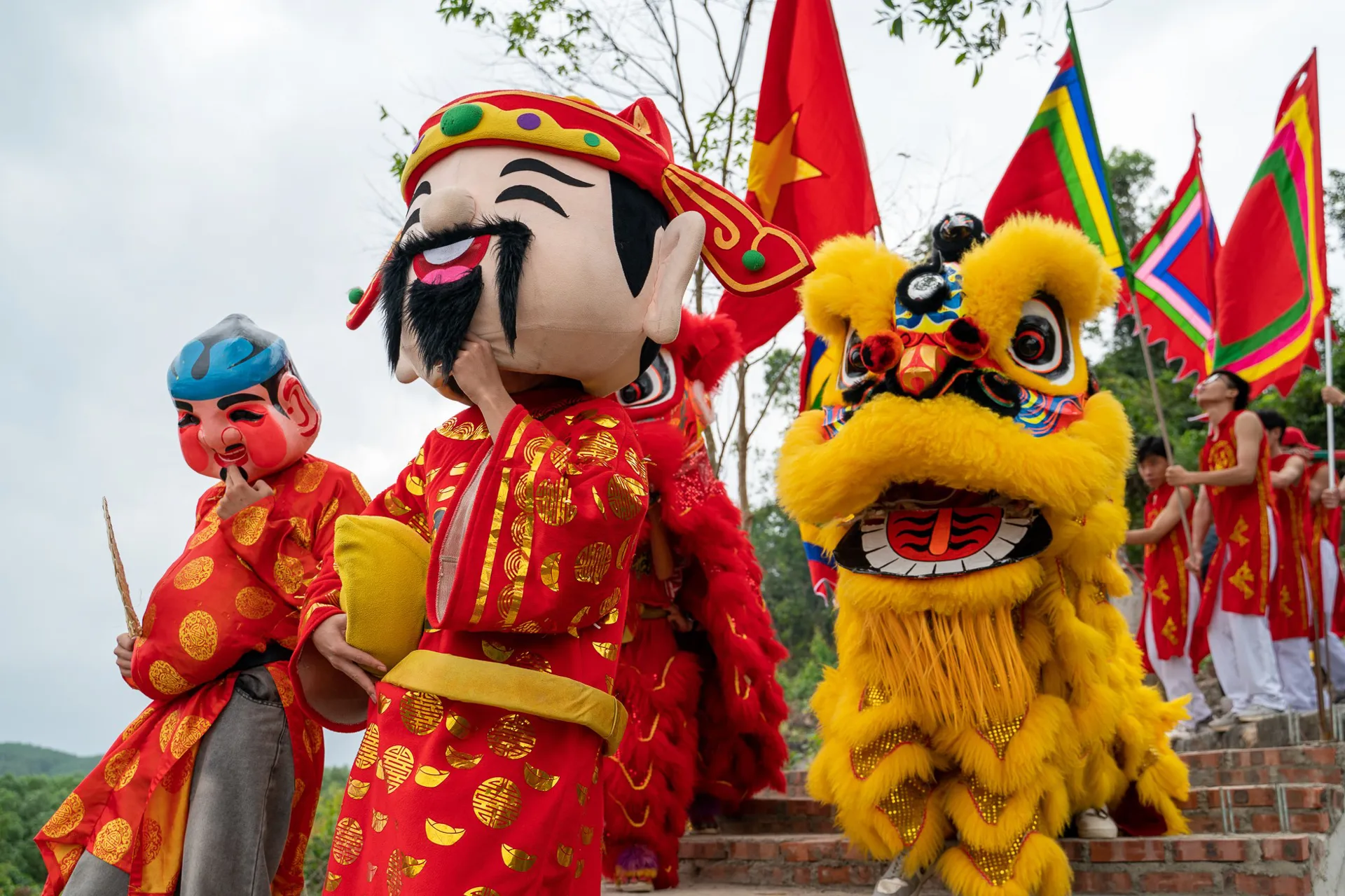
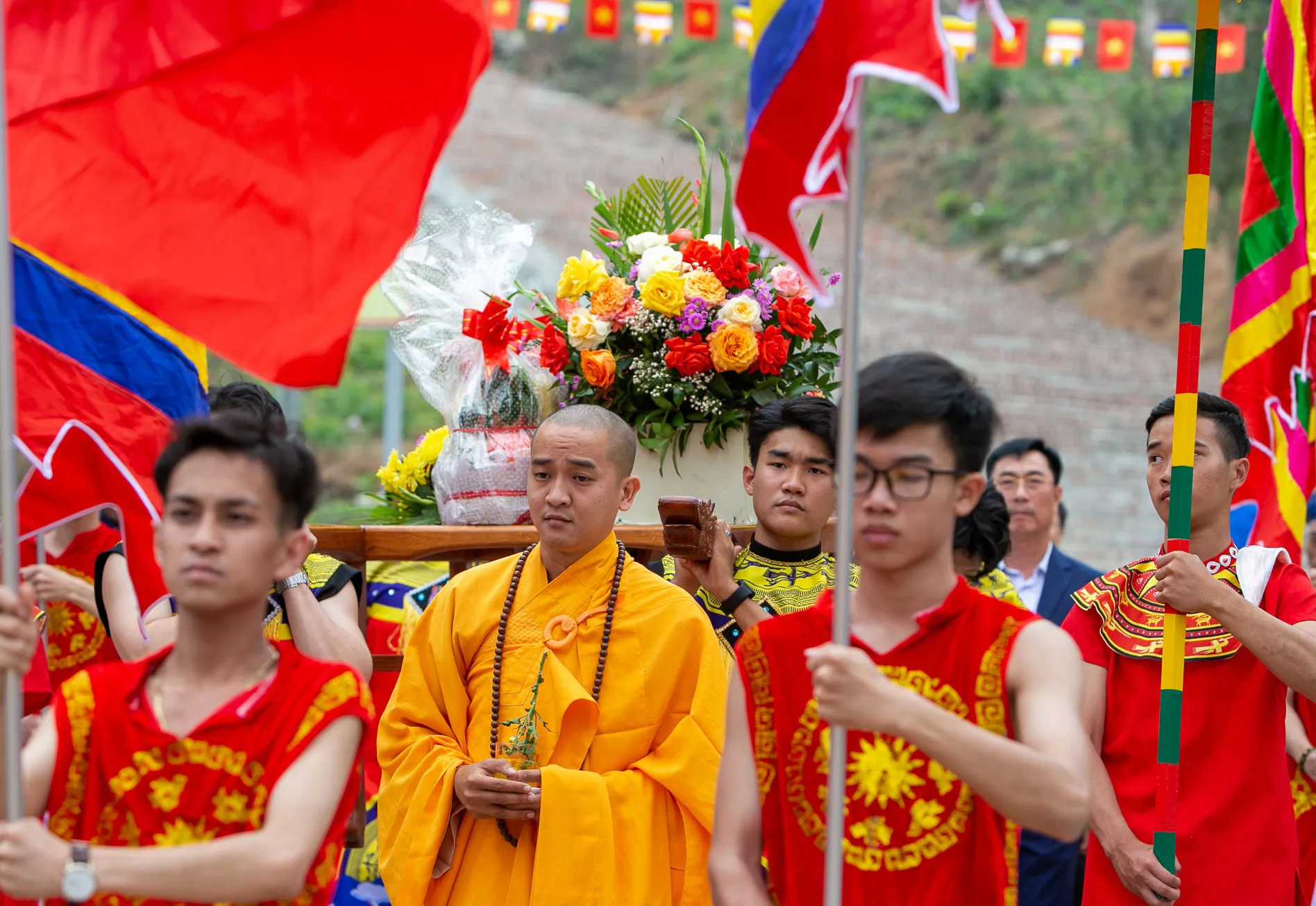
Kim Phong Pagoda Festival in Quang Tri Province. Photo: Cuong Bui
According to cultural experts, each festival embodies the region’s distinct cultural identity, reflecting its historical roots, spiritual values, and vibrant local traditions.
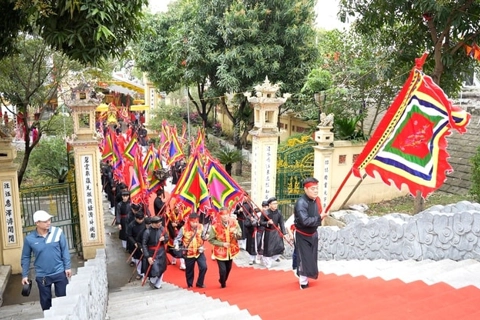
The Kim Phong Pagoda Festival, held on Than Dinh Mountain in Truong Son Commune, marks the beginning of the Vietnamese traditional Lunar New Year, when spirituality, culture, and physical endurance converge in a profound celebration.
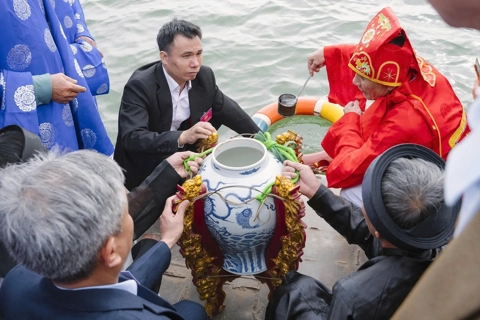
Visitors are taken on a spiritual journey involving climbing to the mountaintop, carrying sacred water, offering prayers for peace, and engaging in community-based cultural activities.
In addition to its religious significance, the festival offers a complete cultural experience in the early spring atmosphere, enjoying the stunning natural landscapes of western Quang Tri, and taking part in meaningful rituals passed down through generations.
It serves as a spiritual reset and a symbolic ascent toward hope, wellness, and harmony for the year to come.
The sacred water ritual at Kim Phong Pagoda Festival, Quang Tri Province.
Meanwhile, the Khai Ha Festival in Ba Don Ward is considered a living legacy of martial spirit and community pride.
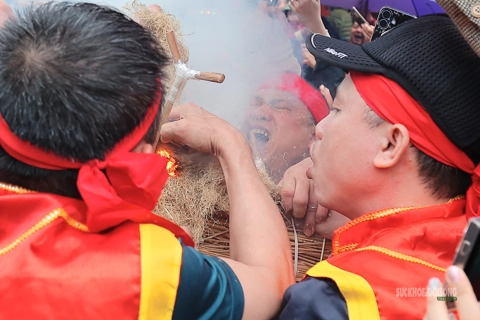
Dating back to 1750, this vibrant festival showcases tradition and community values through solemn rituals and dynamic performances, including martial arts, whip, and traditional knife and sword dances. Respectful elders in the village perform these dances with reverence and energy.
Its ceremonial practices are intended to pray for favorable weather, abundant crops, good health, and business prosperity, along with traditional folk games, including cuop cu (Fighting for the Spindle) and traditional wrestling.

The traditional wrestling game at Khai Ha Festival of Tuong Son Village in Ba Don Ward, Quang Tri Province. Photo: Quang Binh Newspaper
Held annually Vietnam’s National Day (September 2), the Boat Racing Festival on the Gianh River (between Tuyen Hoa and Ba Don wards) is a sporting spectacle and cultural celebration.
Rooted in the tradition of praying for favorable weather, bountiful harvests, and full granaries, the event has become a source of pride and excitement for the local community.
Beyond its symbolic meaning, the festival provides young men in the region with a dynamic opportunity to test their strength, endurance, and teamwork, thereby reinforcing their physical well-being and communal connection.
The powerful rhythm of rowing, festive chants, and lively riverbank gatherings vividly depict Vietnamese rural life and resilience.
With 18 national intangible cultural heritages, including two UNESCO-recognized, Quang Tri reflects deep cultural heritage and potential as a model for heritage-led development in the region.

The Boat Racing Festival on the Gianh River, Quang Tri Province. Photo: Quang Ngai Newspaper