Vietnam okays e-visa for citizens of 80 countries from July 1
The government also revealed a list of border gates and airports that will allow the entry of e-visa holders.
The Vietnamese government has made public a list of 80 countries whose citizens are eligible for e-visa to enter Vietnam as well as a list of international border gates that allow the entry of e-visa holders from July 1.
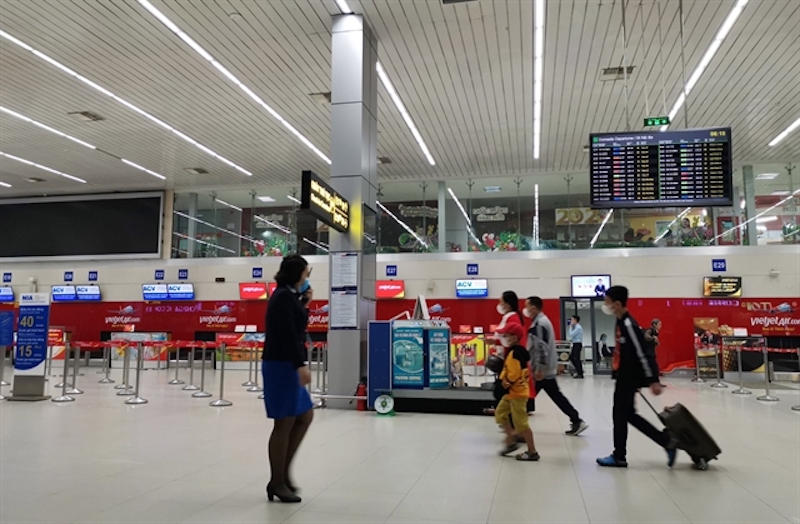
| Noi Bai International Airport prepares to welcome a number of foreign visitors once the regulation on issuing e-visa takes effect into July 1. Photo: Vietnam News |
The new regulation, Resolution No.79/NQ-CP, was issued by Prime Minister Nguyen Xuan Phuc in line with the Law on Entry, Exit, Transit and Residence of Foreigners in Vietnam.
Nationals of Austria, Poland, Belgium, Portugal, the UAE, Germany, India, South Korea, the US, Italy, Finland, France, China, Brazil, Canada, Russia, the UK, Japan, Spain, among others, are allowed to enter Vietnam if granted e-visas.
E-visas procedures are carried out at eight international airports, 16 international land border crossings and 13 sea ports across the country.
Eight airports that accept e-visas are Noi Bai, Tan Son Nhat, Cam Ranh, Da Nang, Cat Bi, Can Tho, Phu Quoc and Phu Bai.
Sixteen land border crossings processing e-visas are Tay Trang (Dien Bien province), Mong Cai (Quang Ninh province), Huu Nghi (Lang Son province), Lao Cai (Lao Cai province); Na Meo (Thanh Hoa province), Nam Can (Nghe An province), Cau Treo (Ha Tinh province), Cha Lo (Quang Binh province), La Lay, Lao Bao (Quang Tri province), Bo Y (Kon Tum), Moc Bai, Xa Mat (Tay Ninh province), Tinh Bien, Song Tien (An Giang province), and Ha Tien (Kien Giang province).
Thirteen seaports that accept e-visas are Hon Gai, Cam Pha in Quang Ninh province, Hai Phong, Nghi Son in Thanh Hoa province, Vung Ang in Ha Tinh province, Chan May in Thua Thien-Hue province, Da Nang, Nha Trang in Khanh Hoa province, Quy Nhon in Binh Dinh province, Dung Quat in Quang Ngai province, Vung Tau in Ba Ria-Vung Tau province, Ho Chi Minh City, Duong Dong in Kien Giang province.
The e-visa granting program for travelers from 40 countries was launched on February 1, 2017 and was piloted for two years.
The pilot scheme did not require foreigners to be sponsored or invited by organizations or individuals in Vietnam to be eligible for the e-visas as long as they have valid passports and are citizens of one of the 40 listed countries.
Foreigners are not required to show up at diplomatic missions of Vietnam in their countries, get interviewed or scan their fingers to apply for e-visas.
| Foreign citizens from 80 countries will be allowed to enter Vietnam using e-visa. Photo: Tienphong Online. |
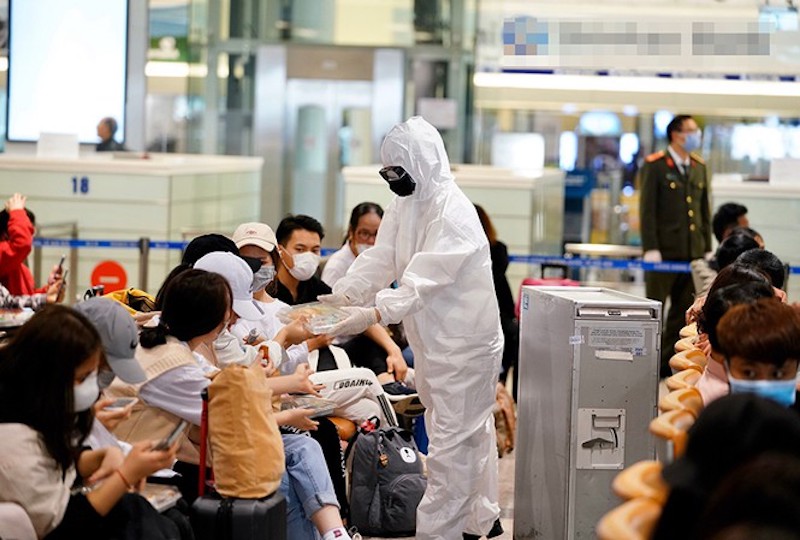
Until now, Vietnam has suspended entry for all foreign citizens to prevent and control the Covid-19 pandemic. Only Vietnamese citizens, foreigners on diplomatic and official business, and highly-skilled laborers are allowed to enter the country. Everyone entering the country must comply with medical checks and the compulsory 14-day quarantine upon arrival.
Due to Covid-19, all foreigners who entered Vietnam after March 1 on visa exemptions, e-visas or tourism visas will be given automatic stay extensions at no charge until June 30.
“After June 30, if the situation of the pandemic does not improve or the transportation and healthcare policies of other countries remains unchanged, we will continue to propose to extend validity period of the policy,” Senior Colonel Dang Tuan Viet from the Immigration Department told Vietnam News.