Vietnam passes revised Law on Atomic Energy
Vietnam’s revised law lays the groundwork for restarting its nuclear program in line with international standards.
THE HANOI TIMES — Vietnam’s National Assembly on June 27 approved a revised Law on Atomic Energy to create an internationally-aligned legal framework for the safe and sustainable development of nuclear power in the country.
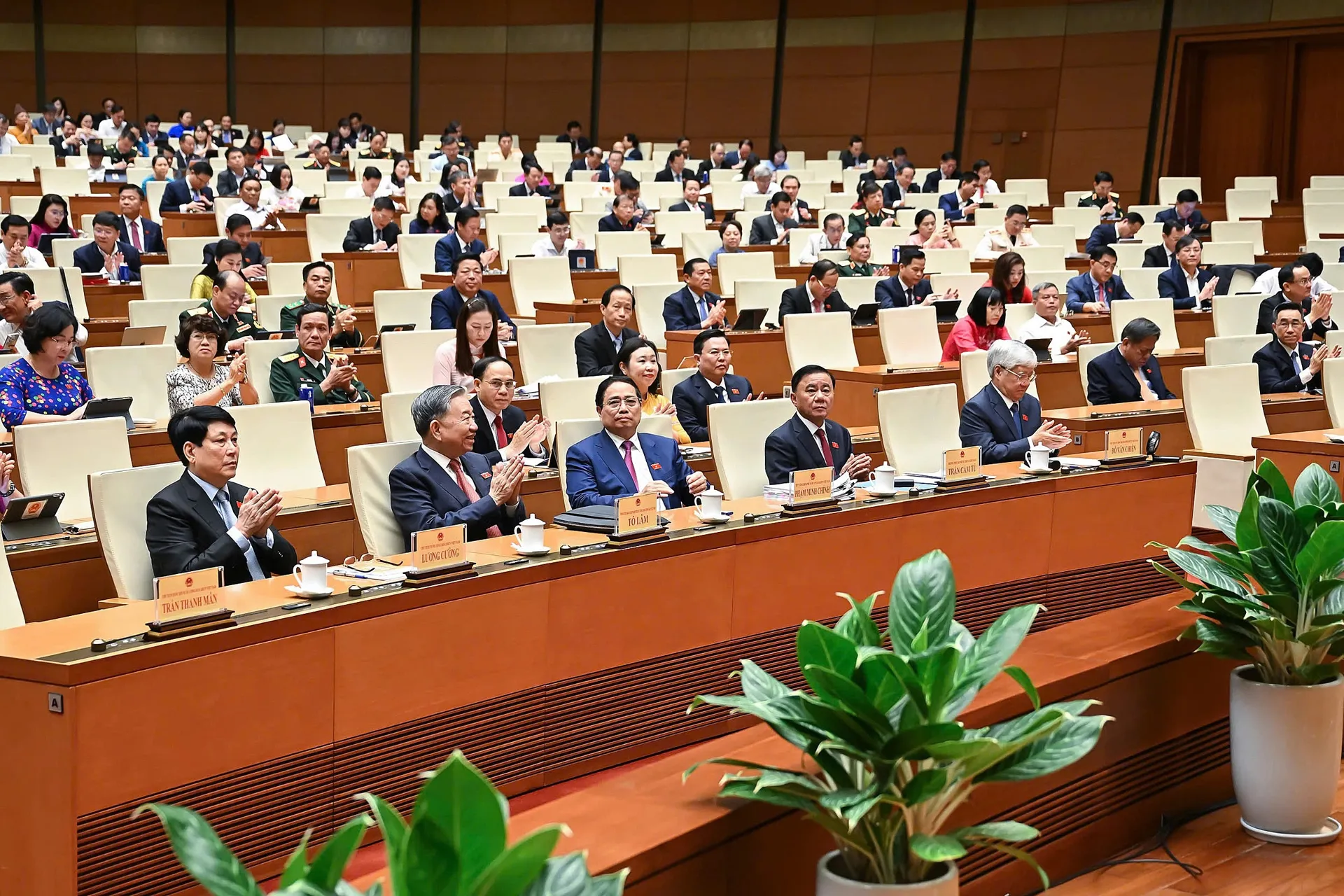
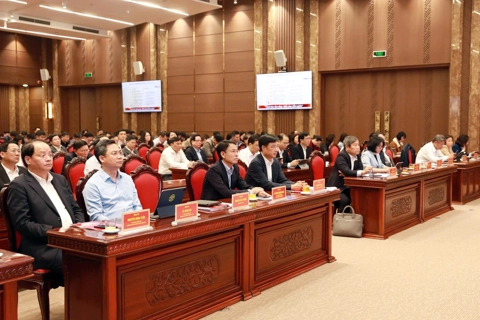
Delegates at the National Assembly's meeting on June 27. Photo: Quochoi
The legislation, passed by 441 of 442 lawmakers present (92.26%), is scheduled to come into effect on January 1, 2026.
The revised law consists of 12 chapters and 73 articles, which is 20% less than the 2008 version. It focuses on four main policy areas, namely promoting the development and socialization of atomic energy applications; ensuring radiation safety, nuclear safety and security, and decentralization in state management; and facilitating nuclear inspections.
It provides comprehensive regulations governing the peaceful application of nuclear energy, with a strong focus on radiation and nuclear safety, security, and environmental responsibility.
The law is a strategic move reflecting the government’s strong commitment to diversifying energy sources and advancing toward its net-zero emissions goal by 2050.
It’s following international practices, particularly the recommendations of the International Atomic Energy Agency (IAEA), and is expected to play a key role in resolving existing legal and procedural obstacles to future nuclear power projects in Vietnam.
The law defines the full lifecycle management of nuclear power plants from investment approval, site selection, construction, test operation, and full operation to decommissioning.
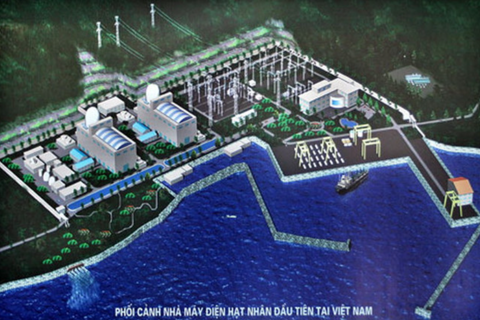
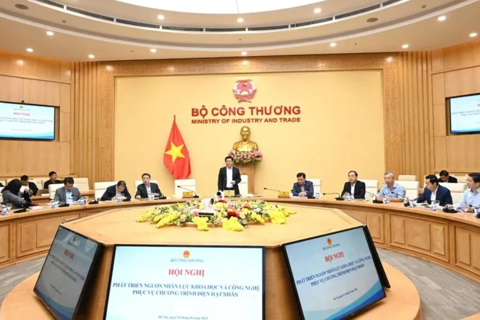
Furthermore, the law introduces breakthrough policies in human resource development, particularly in training teams for future Ninh Thuan 1 and 2 nuclear power plant projects, capacity of 2,000 MW each, in the central province of Ninh Thuan. Vietnam expects to sign an intergovernmental agreement with Russia in August on the construction of the Ninh Thuan 1 plant.
As Vietnam moves toward reviving its nuclear power program, the revised law lays a robust legal foundation, aligned with international standards, a prerequisite for a new stage in the peaceful use of nuclear energy.
This legal instrument will enable Vietnam to continue receiving technical assistance, personnel training, and nuclear infrastructure development support from the IAEA.
It supports the updated National Power Development Plan VIII, which regulates the country’s broader energy strategy.